 MartinShields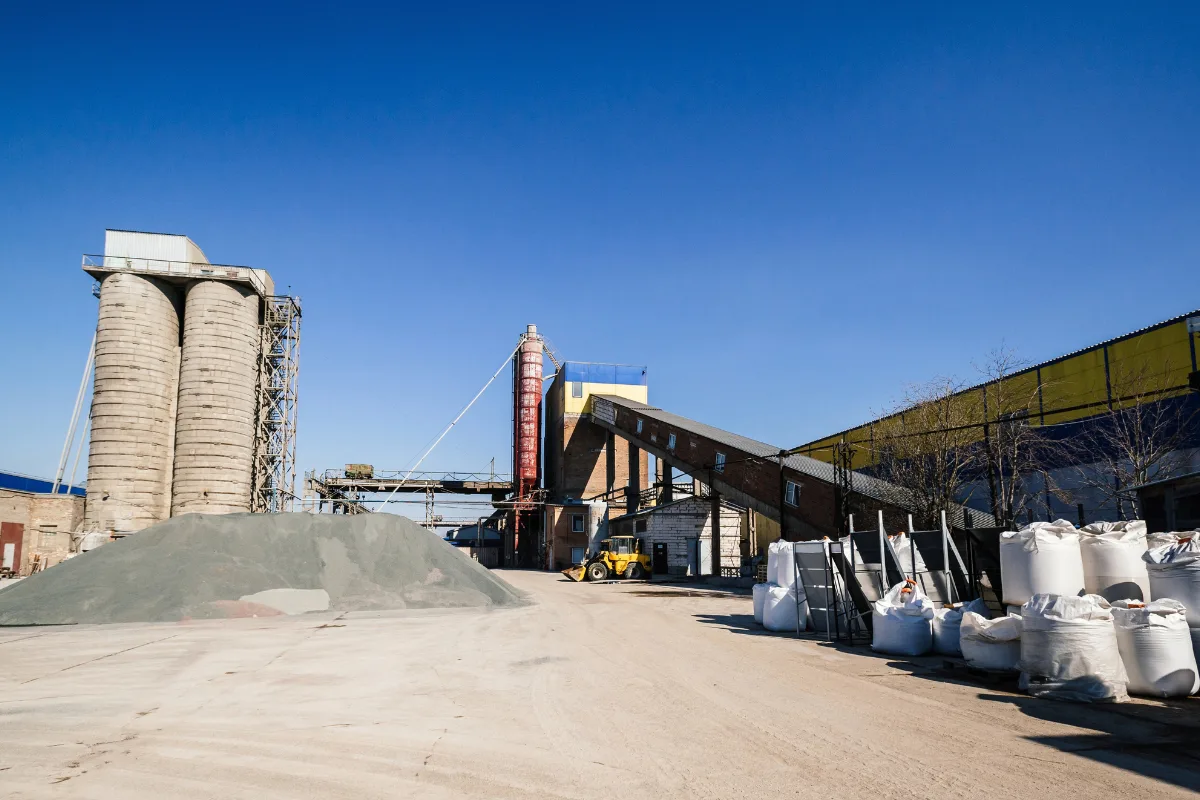
Every successful construction project starts with the right materials. From preparing foundations and building driveways to developing roads and completing large-scale groundwork, aggregates play an important role in creating stable, durable surfaces. Choosing suitable materials for each application helps contractors achieve the required performance while keeping projects organised and within budget.
At Shields Plant and Construction, construction experience, aggregate supply and plant hire services support a wide range of domestic and commercial projects. Understanding the different types of aggregates, their uses and the equipment involved in handling them can help builders and developers make informed decisions.
Why Aggregates Matter in Construction
Aggregates are essential materials used in many areas of construction. They provide support beneath foundations, create stable sub-bases and contribute to the construction of roads, driveways, drainage systems and landscaped areas.
However, not every aggregate is suitable for every application. The correct choice depends on factors such as ground conditions, expected loads, drainage requirements and the type of surface being constructed.
For example, a driveway needs a suitable base capable of supporting vehicle traffic, while a drainage project requires materials appropriate for the intended water flow. Selecting aggregates according to the project’s specifications helps establish a dependable base for the work that follows.
Understanding Primary and Recycled Aggregates
Construction projects commonly use primary and recycled aggregates, depending on their requirements.
Primary aggregates are obtained from natural mineral resources and processed for construction applications. They are used in foundations, sub-bases, road construction and other groundwork projects where suitable material specifications are required.
Recycled aggregates are produced by processing suitable materials recovered from construction and demolition activities. Concrete, rubble and other appropriate materials can be crushed and screened to produce aggregate for approved applications.
Reusing suitable materials can reduce the amount of waste sent for disposal and limit the demand for newly sourced aggregates. It may also reduce transportation requirements when materials can be processed and reused close to the construction site.
The choice between primary and recycled aggregates should always reflect the project’s technical requirements and the suitability of the material for its intended use.
Choosing Aggregates for Foundations and Groundworks
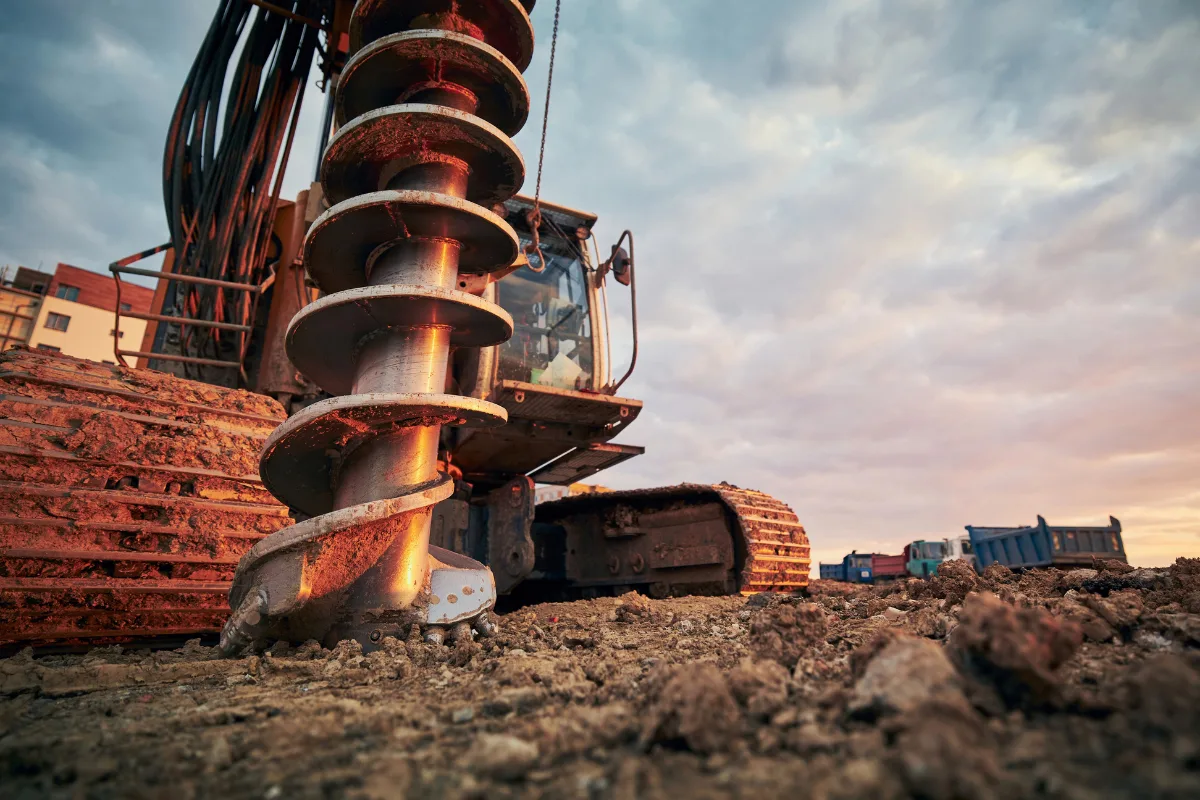
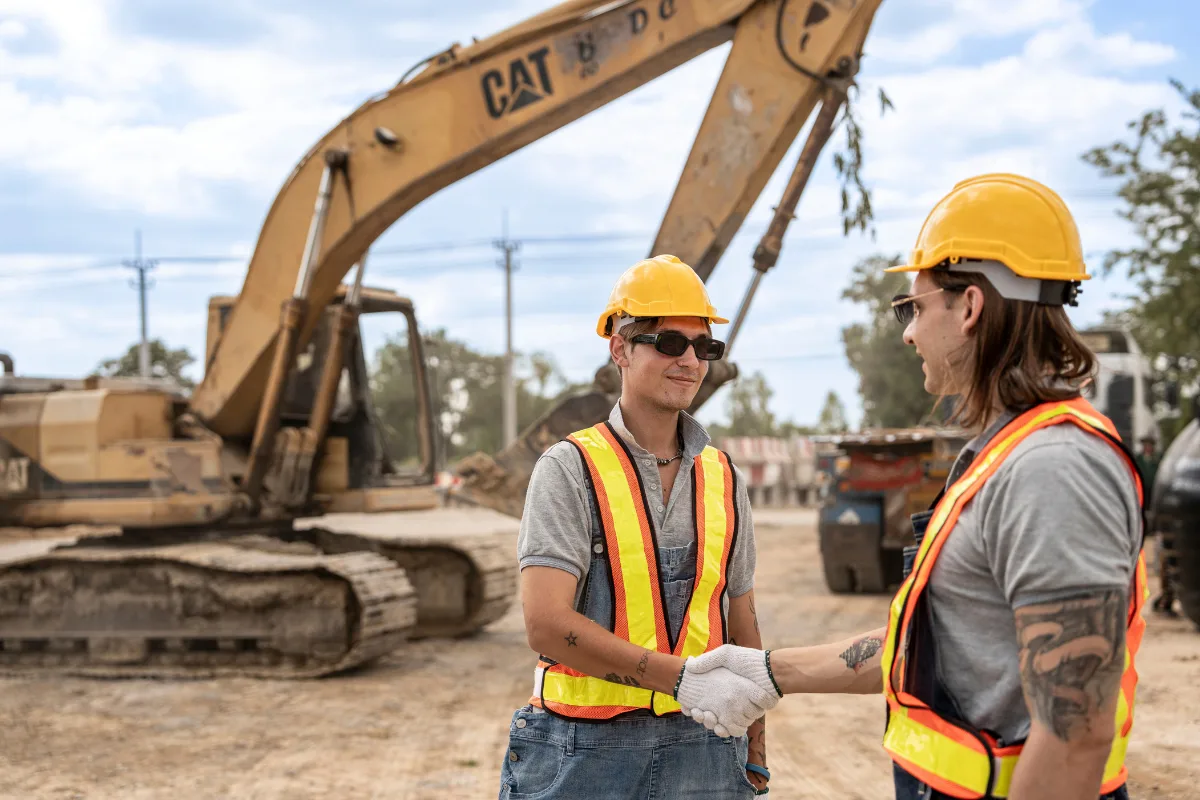
Groundworks establish the base for many construction projects, making material selection particularly important. Before foundations, paths or external surfaces can be completed, the ground may need excavation, preparation and compaction.
Aggregates used in sub-bases must provide appropriate support for the intended application. Contractors should consider ground conditions, expected loads and the specifications provided by the project designer.
Compaction is another important part of the process. Compactor plates are useful for trench work, footpaths, driveways and block paving preparation. Vibrating rollers are suited to larger areas involving soil, aggregate, tarmac and sub-base materials.
Shields Plant and Construction provides access to compaction equipment through its plant hire service, helping contractors prepare surfaces for different construction applications.
Aggregates for Roads, Driveways and Drainage
Different projects place different demands on construction materials. Roads and car parks require suitable sub-base materials to support traffic, while driveways need a stable foundation beneath the finished surface.
Drainage schemes require careful consideration of material grading, placement and water movement. Landscaping projects may also use aggregates for pathways, prepared surfaces and other external features.
Before ordering materials, contractors should identify the intended application and confirm the required specifications. Estimating quantities accurately can help reduce excess materials, unnecessary deliveries and delays caused by shortages.
Planning deliveries around the construction schedule also helps keep working areas organised and accessible.
How Crushing and Screening Improve Material Management
Crushing and screening equipment provides a practical way to process suitable construction and demolition materials. Crushing reduces larger pieces of concrete and rubble into smaller sizes, while screening separates the processed material according to size.
This process can create reusable aggregates for appropriate groundwork and construction applications, subject to material quality and project specifications.
Shields Plant and Construction offers concrete crushing and screening equipment for construction, demolition, redevelopment and groundwork projects. On-site processing can reduce waste disposal requirements, lower transportation needs and improve the use of available materials.
For projects involving demolition or redevelopment, this approach can make material management an important part of the overall construction plan.
Why Equipment and Material Handling Matter
Choosing suitable aggregates is only one part of the process. Materials must also be transported, stored and placed efficiently.
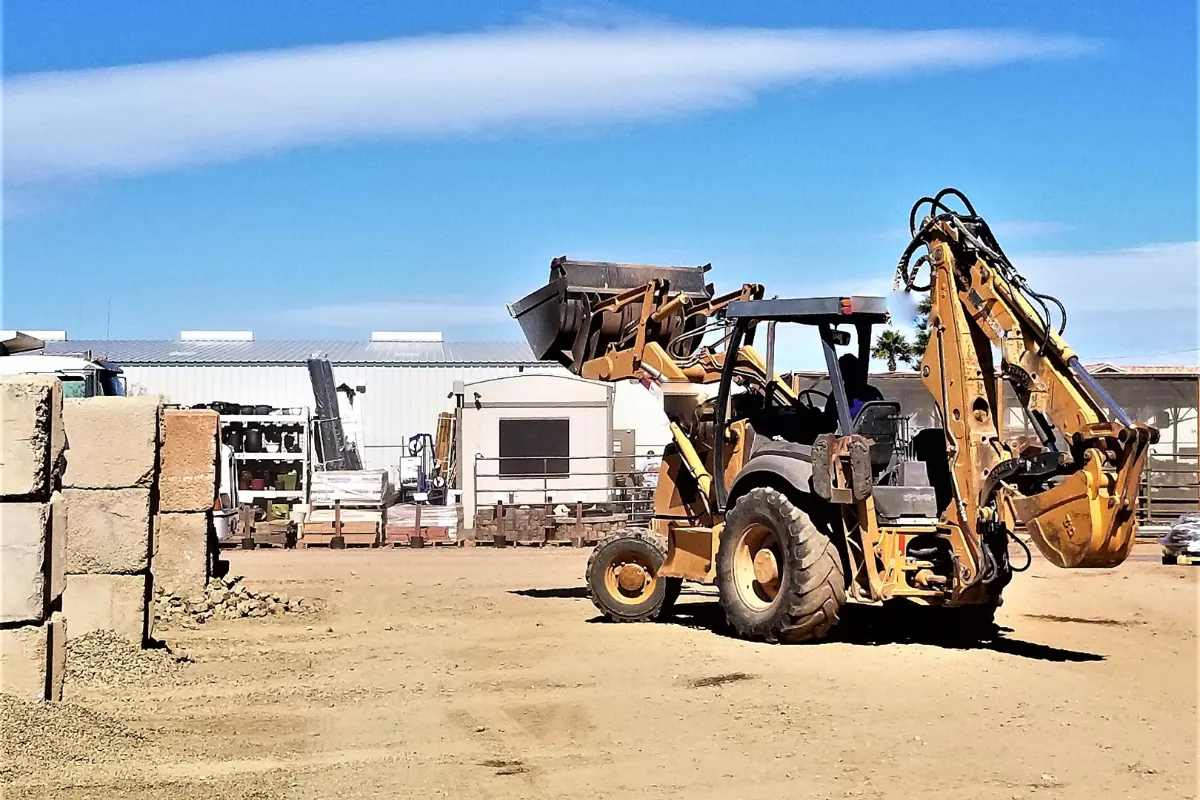
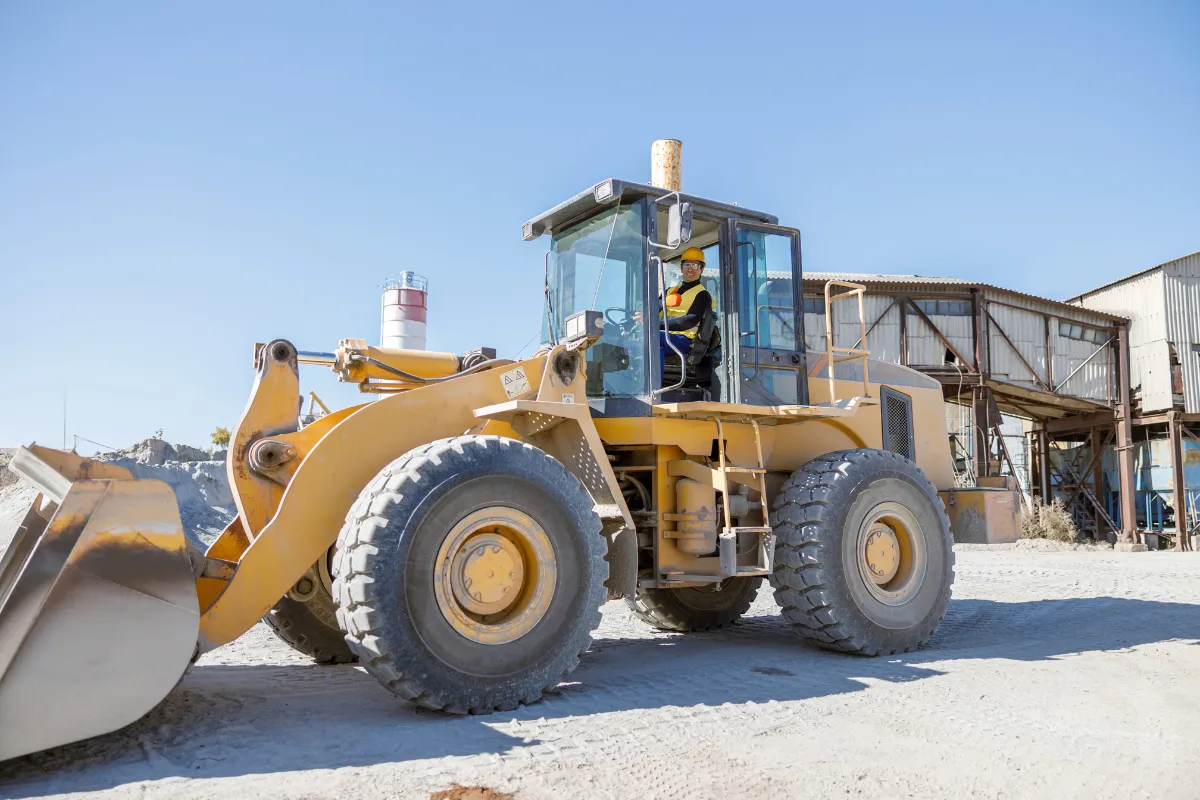
Front tip dumpers help move soil, hardcore, aggregates, rubble and construction waste around a site. Excavators support excavation and earthmoving, while compactors and vibrating rollers help prepare surfaces after materials have been placed.
Having the appropriate equipment available at the right stage can reduce unnecessary manual handling and help maintain a steady workflow. Shields Plant and Construction offers a range of machinery for short- and long-term hire, supporting projects with different equipment requirements.
Plan Material Requirements Before Work Begins
Effective material management starts during project planning. Contractors should assess site conditions, identify the required aggregate specifications, calculate quantities and arrange deliveries before each construction stage begins.
It is also worth considering whether suitable materials already available on site can be processed and reused. This may be particularly relevant to demolition, refurbishment and redevelopment projects.
Shields Plant and Construction works across house extensions, new builds, residential developments, renovations, demolition and site preparation. Its combination of construction services, plant hire and aggregate supply helps clients coordinate important parts of their projects.
Building Stronger Projects Through Better Material Choices
The right materials provide the foundation for reliable construction. By understanding aggregate types, confirming project specifications and using suitable machinery, contractors can make informed decisions about ground preparation and material handling.
From primary and recycled aggregates to crushing, screening and compaction equipment, each element contributes to the construction process.
At Shields Plant and Construction, practical construction experience and plant hire solutions support projects from initial site preparation through to later stages of development. Careful planning and appropriate material selection help create stable foundations, improve resource use and support lasting construction results.