 MartinShields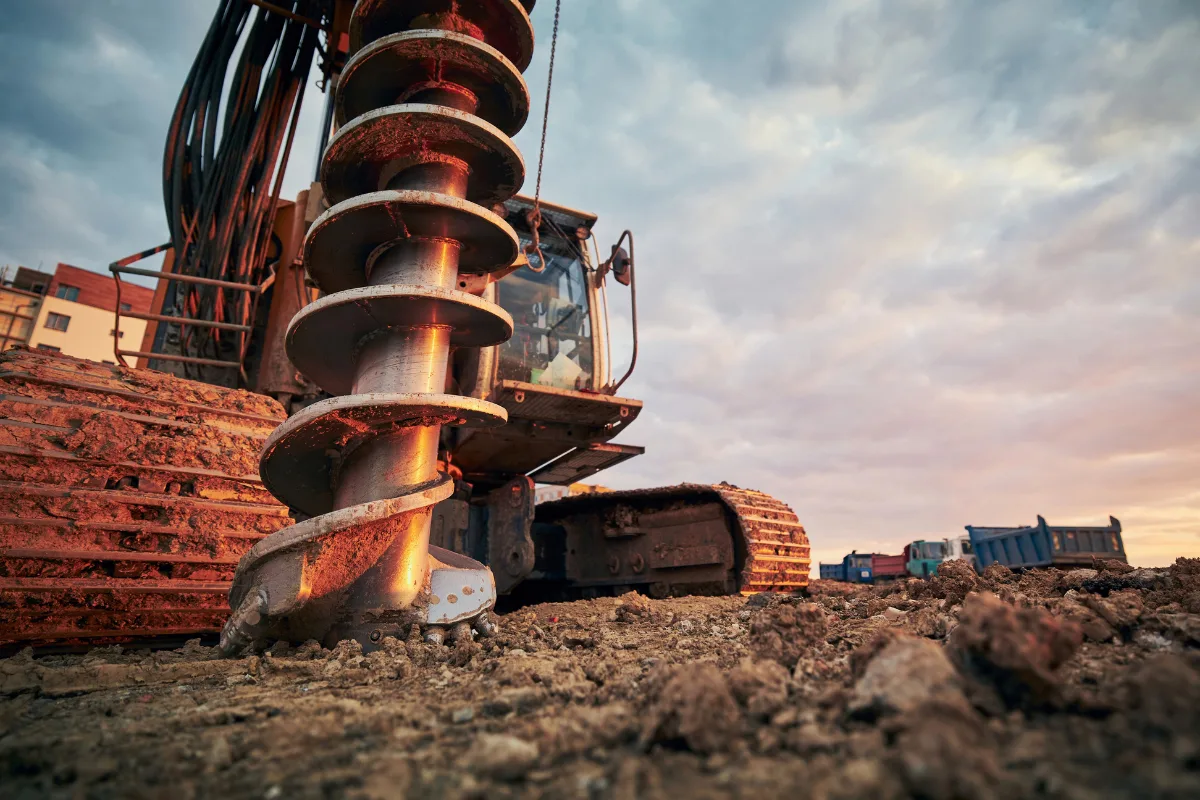
Every successful building project begins with a clear vision, careful planning and the right team. Whether you are planning a house extension, a new build, a property renovation or a residential development, turning an idea into a finished structure requires several stages of coordinated work. From preparing the site to selecting materials and arranging machinery, each decision contributes to the overall quality and progress of the project.
At Shields Plant and Construction, construction experience and dependable plant hire solutions support projects of different sizes. Understanding the key stages of construction can help property owners, builders and developers prepare for the work ahead.
1. Establish a Clear Project Plan
Before construction begins, define the project’s objectives, budget, timescale and scope. Consider what the finished building needs to achieve, how the available space will be used and which stages are required to complete the work.
A house extension may involve structural alterations and new foundations, while a residential development could require site clearance, infrastructure installation and several stages of building work.
Working with architects, consultants and construction professionals helps establish realistic expectations. A clear plan also makes it easier to coordinate labour, materials, equipment and deliveries throughout the project.
2. Assess the Site and Prepare the Ground
Site conditions can influence the construction methods, equipment and materials required. Before work begins, assess site access, existing structures, ground conditions and any obstacles that could affect progress.
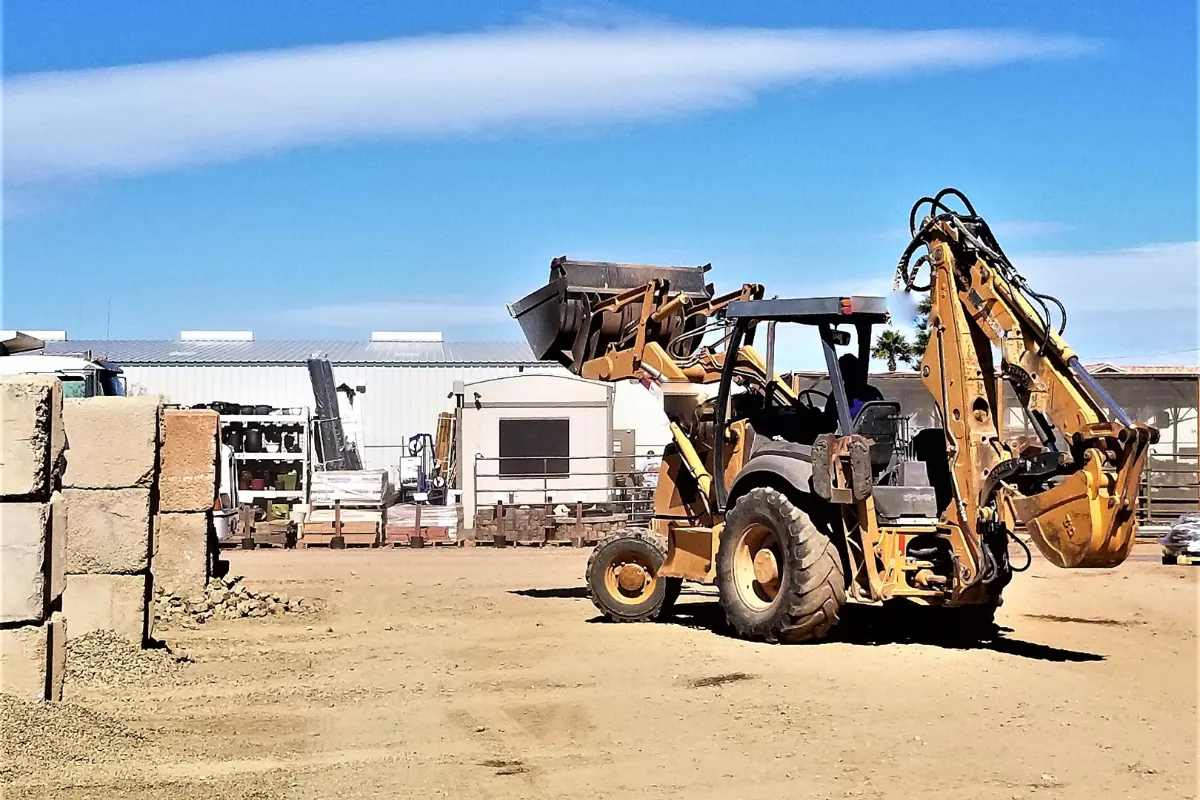
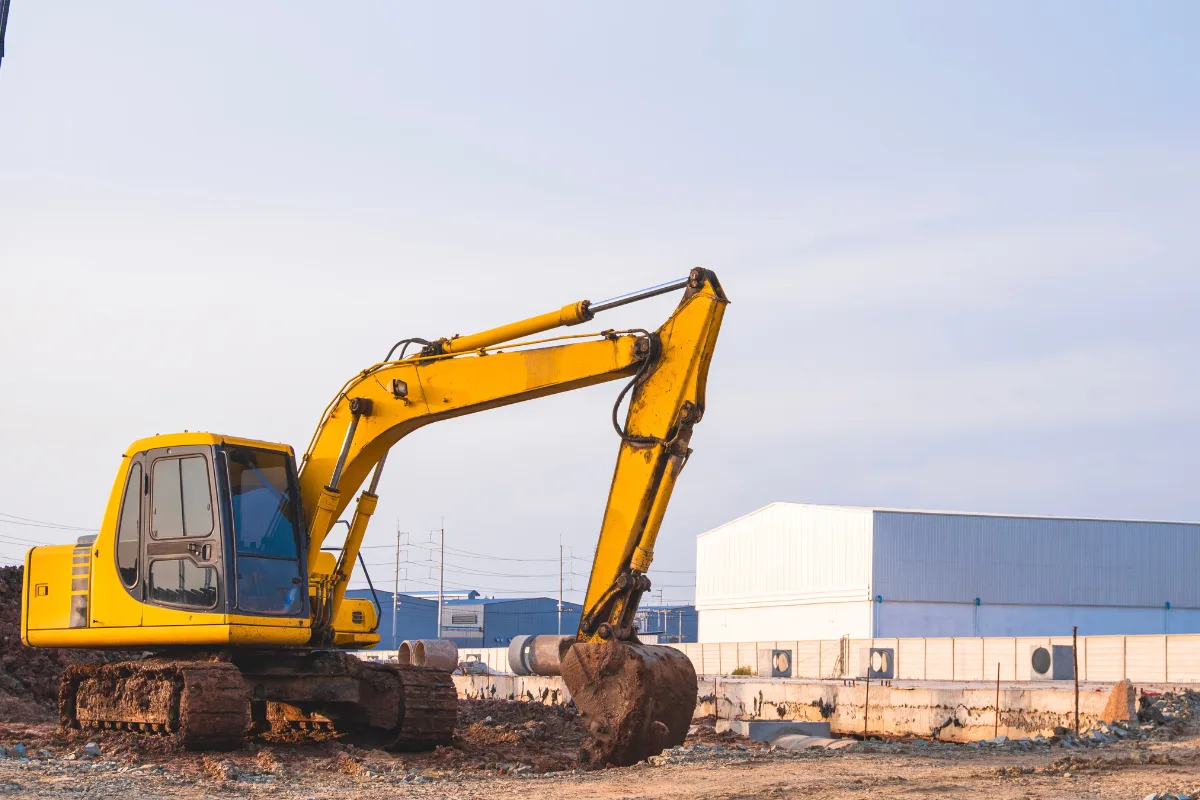
Site preparation may include clearing vegetation, removing unwanted materials, demolishing existing structures and preparing the ground for foundations. Excavators are useful for bulk earthworks, trenching, drainage and foundation excavation. Where access is restricted, a mini excavator can provide a practical solution for smaller sites and domestic building projects.
Proper preparation creates a suitable starting point for the next stages of construction and helps reduce complications during groundwork operations.
3. Choose the Right Plant Machinery
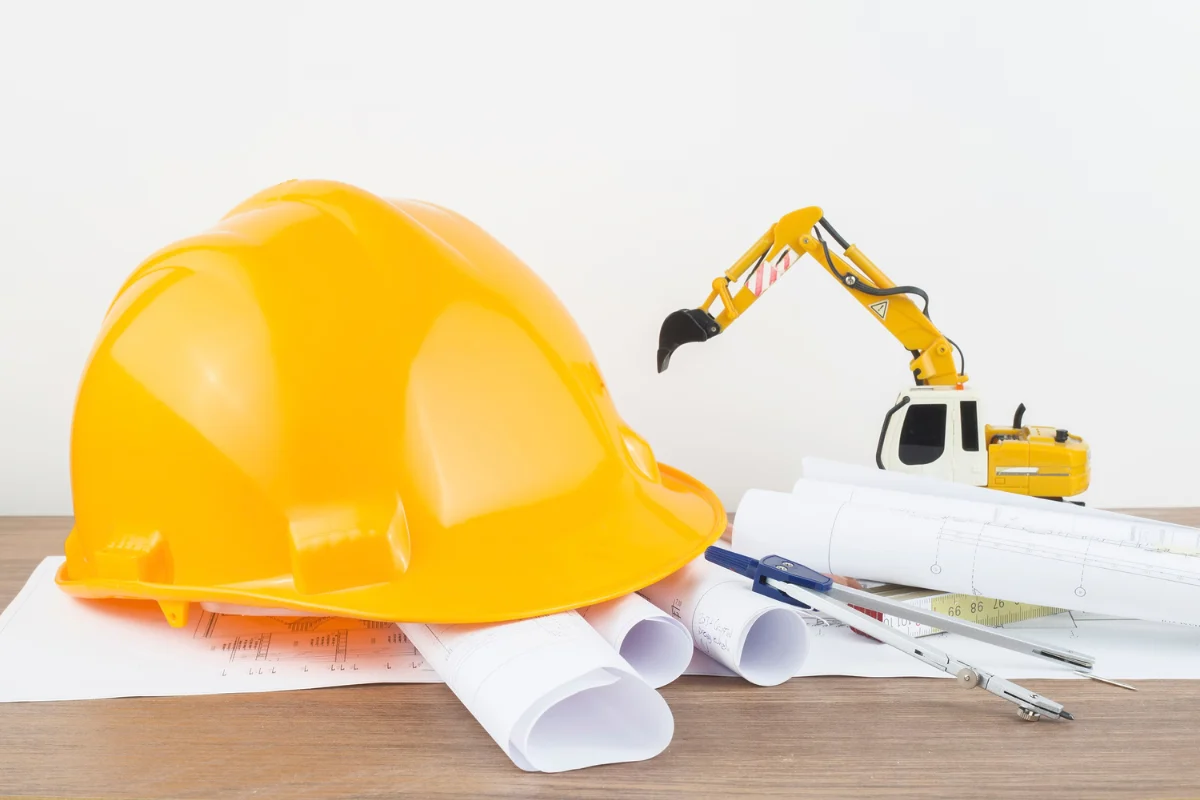
Plant machinery plays an important role in completing demanding construction tasks. Selecting equipment according to the project’s size, working conditions and requirements can help improve productivity and reduce unnecessary manual handling.
Excavators support digging and earthmoving, while front tip dumpers transport soil, hardcore, aggregate and construction waste around the site. Hydraulic breakers are useful for breaking concrete, asphalt and other hard materials during demolition and site clearance.
Compactor plates and vibrating rollers help prepare and consolidate ground surfaces, while concrete mixers support foundations, footings, extensions and other construction work.
Shields Plant and Construction offers a range of plant hire equipment for domestic and commercial projects, with flexible hire periods to suit different requirements. Choosing suitable machinery at the planning stage helps keep equipment available when each task needs to begin.
4. Select Suitable Materials and Aggregates
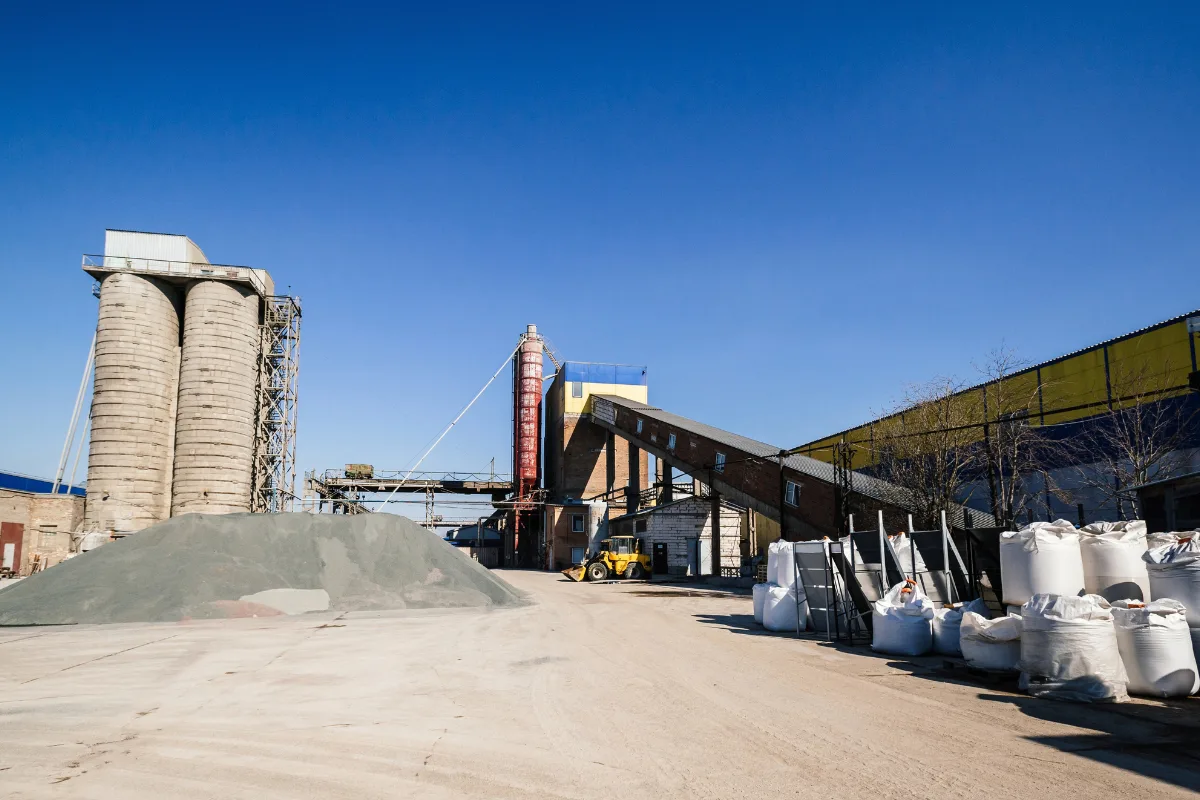
The materials used in construction influence the stability, durability and performance of the finished project. Aggregates, for example, are commonly used in foundations, sub-bases, road construction, driveways, drainage and landscaping.
The right material depends on its intended application, ground conditions and the performance required. Contractors should consider material specifications and project requirements before arranging deliveries.
Shields Plant and Construction supplies primary and recycled aggregates for a variety of construction and groundwork applications. Recycled aggregates can also offer an opportunity to reuse suitable construction materials, helping reduce waste and the demand for newly sourced resources.
Planning material quantities and delivery schedules in advance can help prevent shortages, reduce unnecessary storage and keep work moving.
5. Build Strong Foundations and Complete Groundworks
Groundworks establish the base for the structure and other site features. Depending on the project, this stage may involve excavation, drainage, foundation preparation, trenching and sub-base installation.
Once the ground has been prepared, appropriate compaction helps create a stable surface for subsequent work. Compactor plates are suitable for applications such as trenches, footpaths, driveways and block paving preparation. Vibrating rollers are commonly used across larger areas, including roads, car parks and industrial yards.
Using suitable equipment and materials helps contractors prepare the site for structural construction while maintaining consistency throughout the groundwork stage.
6. Coordinate Construction and Project Activities
Once the foundations and initial groundworks are complete, the project can progress through structural construction, installation work and external improvements. Extensions, new builds and residential developments each have different requirements, so the sequence of activities should reflect the approved plans and project schedule.
Communication between clients, contractors, suppliers and other professionals is essential. Regular updates help everyone understand upcoming tasks, delivery dates and any changes that could affect the programme.
Shields Plant and Construction places importance on transparent communication, professional workmanship and reliable project delivery. Coordinating people, materials and machinery helps maintain an organised working environment.
7. Manage Demolition and Materials Responsibly
Renovation and redevelopment projects may require existing structures to be removed before new construction can begin. Demolition, site clearance and material removal should be planned carefully, with health and safety at the centre of the process.
Crushing and screening equipment can help process suitable concrete and other construction materials on site. The resulting aggregates may be reused for appropriate applications, subject to material suitability and project specifications.
On-site processing can reduce the volume of waste requiring disposal and limit transportation requirements. This makes material management an important consideration when planning demolition and redevelopment work.
8. Complete the Project with Care
The final stage may include external works, landscaping, concrete finishing, final inspections and handover. Before completion, the project team should check that the work meets the agreed specifications and that outstanding tasks have been addressed.
Good organisation throughout the earlier stages makes it easier to approach these final activities with a clear understanding of what remains to be completed.
Turning a Building Plan into a Successful Project
Successful construction depends on a combination of planning, suitable materials, reliable machinery and experienced professionals. Each stage builds on the work completed before it, making coordination and preparation essential.
From excavators and dumpers to compaction equipment, concrete mixers, crushers and screening machinery, the right plant can support projects from initial site preparation to final groundworks.
With construction services and plant hire available through Shields Plant and Construction, clients can discuss practical requirements for extensions, new builds, renovations, developments and demolition projects. Careful preparation and informed equipment choices help turn building plans into structured progress and lasting results.