 MartinShields
A run-down rural house can hide costly problems behind simple cosmetic flaws, and a fresh coat of paint won’t reveal them. Before you buy, have qualified inspectors assess the structure, roof, utilities, and access to the property. Then compare repair estimates with your budget, confirm permits and service availability, and tackle water intrusion and essential systems before updating rooms. One overlooked rural detail can change your entire renovation plan.
Key Takeaways
- Hire qualified inspectors to assess the home’s structure, essential systems, well, septic, access, and property hazards.
- Create an itemized renovation budget, reserve 15–20% for surprises, and prioritize safety, weatherproofing, and essential repairs.
- Verify permits, zoning, easements, utility capacity, and year-round road access before starting major work.
- Repair the roof, foundation, drainage, and faulty systems before renovating kitchens, bathrooms, or other living spaces.
- Finish with inviting landscaping, a thorough final inspection, and a documented seasonal maintenance plan.
Inspect the Rural House Before You Buy
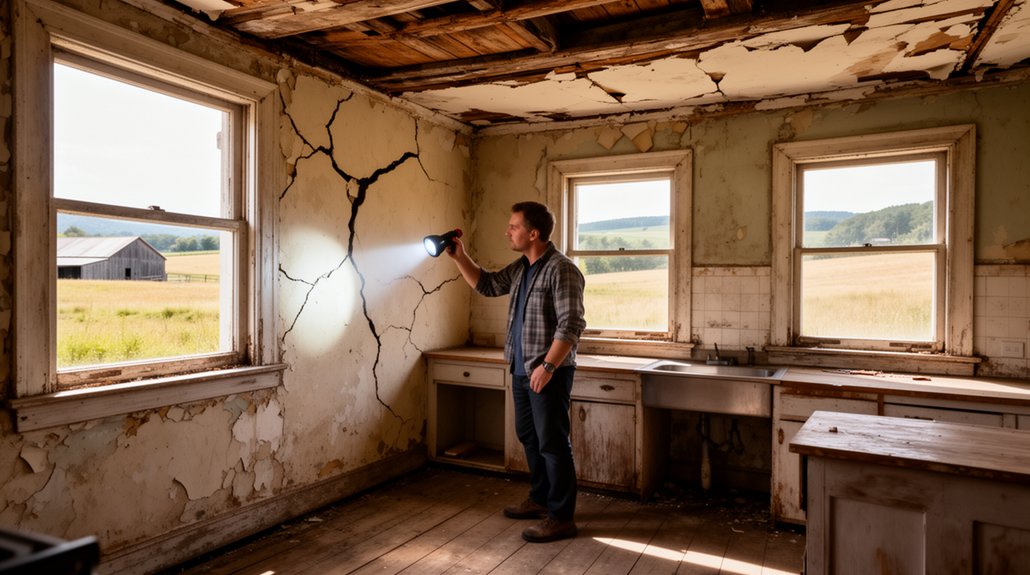
Before you buy a rural fixer-upper, inspect it with a qualified home inspector who understands older properties and local conditions. Ask the inspector to examine the roof, foundation, framing, plumbing, electrical system, heating equipment, and signs of moisture or pests.
Rural homes may rely on wells, septic systems, private roads, or outbuildings, so arrange separate evaluations when needed. Confirm that the well produces safe water and that the septic system meets local requirements.
Check access during wet weather and ask about easements, drainage, and flood risks.
Walk the property with care, noting hazardous trees, invasive plants, and boundary markers.
Consider landscaping ideas only after you understand the site’s soil, slope, and water flow.
Wildlife considerations matter too: look for nesting areas, animal damage, and safe distances from habitat before planning changes.
Estimate Renovation Costs and Set Priorities
Once you understand the property’s condition, build a renovation budget around the work it actually needs. Get itemized estimates for major repairs, such as roofing, structural work, plumbing, and electrical updates. Compare several qualified contractors, and include materials, labor, disposal, and any temporary accommodation in your calculations.
Set aside 15 to 20 percent for hidden damage or price changes; older rural homes often conceal costly surprises.
Prioritize safety and weather protection first, then essential systems, followed by finishes and cosmetic upgrades. If funds run short, phase nonessential projects rather than cutting corners on critical repairs.
Track each estimate and payment in a spreadsheet, and revisit your totals as quotes arrive. Save Landscaping ideas and interior design tips for later planning, so you can shape outdoor spaces and rooms without letting wish-list details distort your working budget.
Check Permits, Utilities, and Road Access
Before you commit to a renovation plan, verify which permits your project requires with the local authorities.
Check whether the property’s utilities are connected, functional, and adequate for your needs.
Confirm that you have legal, reliable road access for construction crews and year-round use.
Verify Permit Requirements
What can you legally change—and what services can you rely on? Before you plan renovations, confirm which permits your rural property requires. Contact the county planning office and building department; rules can differ from those in nearby towns. Describe your intended work, including structural changes, additions, demolition, and changes to land use. Ask for a written checklist, application forms, fees, review times, and inspection stages so you can map the permit process accurately.
Check zoning regulations, setbacks, easements, historic or environmental restrictions, and any limits on accessory buildings. Verify that existing structures were permitted; unapproved work may complicate financing, insurance, or future approvals. If the property uses a private road, confirm recorded access rights and maintenance responsibilities. Keep copies of permits, approvals, surveys, and official correspondence.
Resolve uncertainties before closing or hiring contractors, and build approval time into your renovation schedule.
Assess Utility Connections
Reliable utilities can make or break a rural renovation, so verify each connection before you commit to a plan. Ask the utility providers to confirm service availability, connection fees, capacity, and timelines.
Don’t assume an old meter, well, or septic system still works; hire qualified professionals to inspect equipment, test water, and assess septic condition and capacity.
Check permits for repairs, replacements, or new installations, and request records from the local health department and building office.
If the property relies on a well, confirm its location and protect it during construction.
Map buried lines before excavation, especially when planning Landscaping ideas or wildlife management features.
Compare the cost of extending power, internet, or water with alternatives such as solar, storage, or a new well.
Get estimates in writing before setting your renovation budget.
Confirm Road Access
Confirm that the property has legal, year-round road access before planning construction or deliveries. Ask the county road department to verify whether the route is public or private, who maintains it, and whether recorded easements grant you access. Review your deed and survey; a visible track doesn’t prove legal rights.
Check local zoning requirements for driveway width, culverts, sightlines, and permits. If you’ll build or improve an entrance, get written approval before hiring contractors. Confirm that bridges and road surfaces can support delivery trucks, emergency vehicles, and construction equipment in every season.
Ask neighbors about flooding, snow closures, and maintenance disputes.
Assess environmental impact before grading or widening. Drainage changes, wetlands, and protected habitats may trigger reviews or permits. Document conditions, costs, and responsibilities so you can budget accurately and avoid access delays.
Fix Structural Problems and Keep Water Out
Before choosing finishes, fix structural issues and stop water at its source. Walk the foundation, floors, and framing with a qualified inspector. Look for widening cracks, sagging beams, soft sill plates, and doors that stick; document each defect and prioritize repairs by safety and severity. Don’t cover damage until you’ve found its cause.
Trace water from roof to soil. Replace missing shingles, repair flashing, clear gutters, and extend downspouts well beyond the foundation. Check grading; soil should slope away from the house, not funnel runoff toward it.
If dampness persists, ask a drainage professional to assess the site.
Use practical Landscaping ideas, such as shallow swales, without directing water onto neighboring land. Seal entry gaps after repairs, and pair moisture control with pest control strategies: dry wood and sound screens help discourage insects and rodents. Recheck after heavy rain.
Upgrade Rural Utilities and Renovate Key Rooms
Once the structure is sound and water is under control, assess the utilities before renovating. Have a licensed electrician inspect wiring, grounding, and panel capacity. Ask a plumber to check supply lines, drains, and well or septic systems. Test heating equipment and ventilation, then prioritize repairs that affect safety, reliability, or efficiency.
In remote areas, confirm service availability and delivery times before choosing replacements.
Next, renovate rooms that support daily life. In the kitchen, plan durable work surfaces, adequate lighting, and efficient storage. In bathrooms, address ventilation, waterproofing, and accessible shutoffs before selecting fixtures.
Use interior design tips such as measuring carefully, mapping outlets, and choosing materials suited to humidity and heavy use.
Coordinate projects with Landscaping ideas by protecting access routes and utility lines, but keep exterior styling for later.
Get permits and written quotes before work begins.
Add Finishing Touches and Make It Your Own
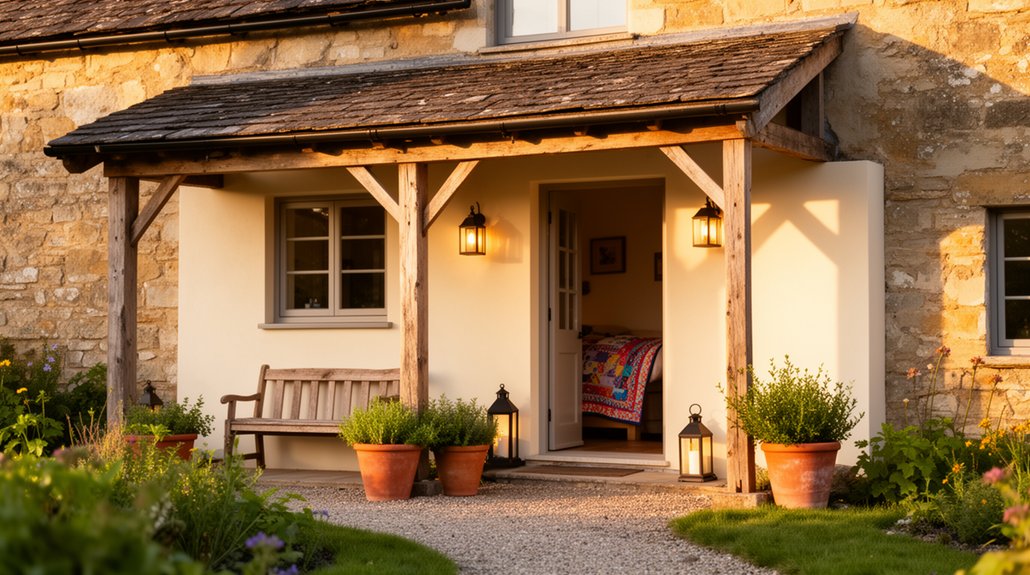
With structural, utility, and room upgrades complete, add finishes that make the house feel like yours. Choose durable paint, flooring, and hardware suited to country living, and test samples in different light before committing.
Use interior decorating to reflect your routines: hang useful hooks near the entry, layer task lighting, and display meaningful objects without cluttering work surfaces.
Outside, plan garden landscaping around the property’s drainage, sun exposure, and maintenance needs. Native plants often need less water and support local wildlife.
Define paths and seating areas so you can enjoy the grounds.
Finish by checking doors, windows, and fixtures for small adjustments, then create a seasonal maintenance list.
Keep receipts, product details, and paint colors together, making future repairs and replacements easier to manage.
Conclusion
A run-down rural property can become more than a house—it can be a promise you build, board by board. Inspect carefully, budget honestly, confirm permits and access, and tackle structural repairs before choosing finishes. Keep water out, make utilities reliable, and let each upgrade serve daily life. Then add the details that feel like you. With patience and regular maintenance, you’ll turn neglected ground into a welcoming retreat—and watch a distant dream take root at home.