 MartinShields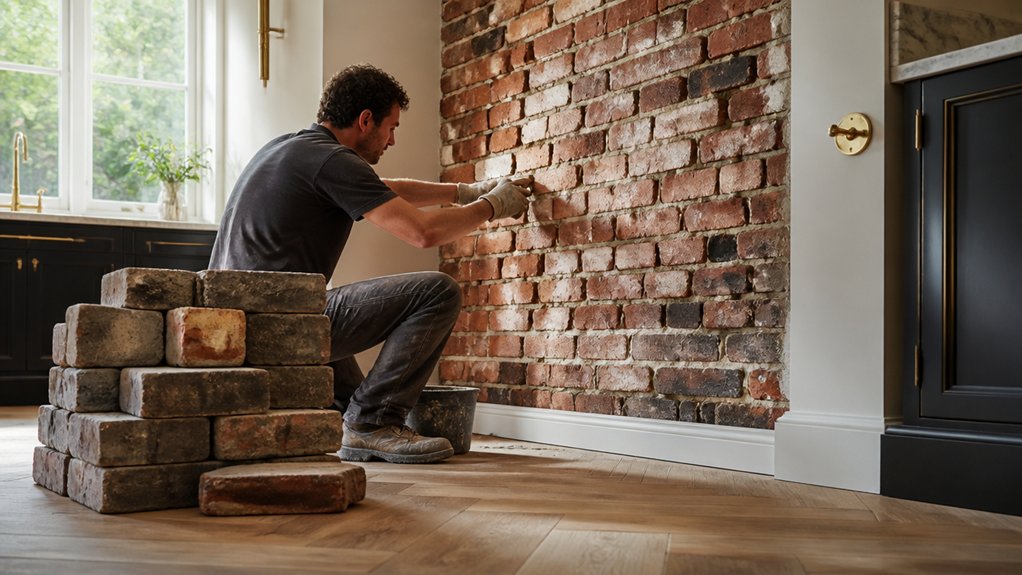
Reclaimed bricks don’t have to make a renovation feel dated or difficult to manage. You can use their subtle variations in color, texture, and wear to give a space depth and a sense of permanence that new materials often lack. They also support more sustainable choices and work across traditional and contemporary schemes. The key is knowing which bricks to choose, where to use them, and how to source them well.
Key Takeaways
- Reclaimed bricks add authentic character, subtle variation, and a sense of permanence that new materials often lack.
- Their warmth and texture help premium renovations stand out while pairing naturally with contemporary finishes.
- Feature walls, fireplaces, kitchens, and exterior details turn reclaimed brick into a distinctive focal point.
- Reusing sound bricks reduces landfill waste and demand for newly manufactured materials.
- Careful sourcing, sample checks, and accurate quantity planning help protect quality, consistency, and project timelines.
Why Do Reclaimed Bricks Add Premium Appeal?
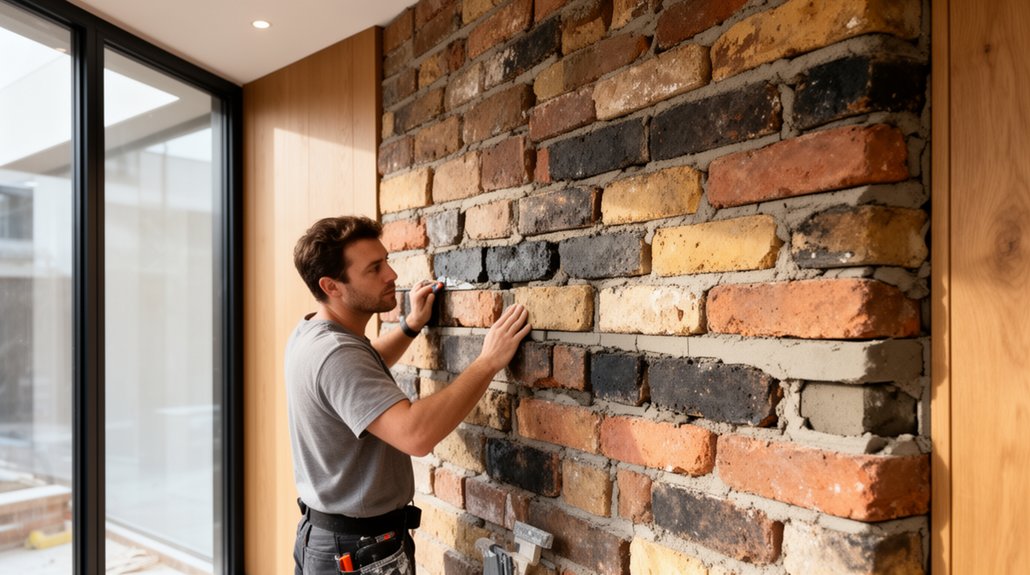
Reclaimed bricks add premium appeal because they bring authentic character that new materials can’t replicate. Their subtle variations in color, texture, and wear give a renovation depth that feels considered rather than manufactured. When you use them thoughtfully, you create spaces with a sense of permanence and distinction.
Historical authenticity can strengthen a property’s story, especially when original masonry connects the renovation to its setting. That character also helps your project stand apart in a market where polished, uniform finishes are common.
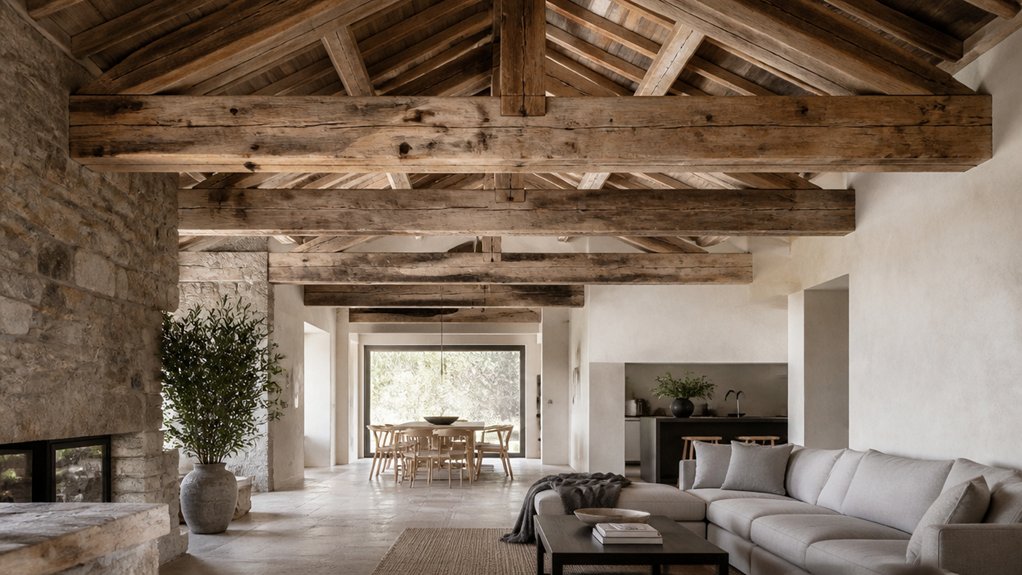
Yet reclaimed brick isn’t limited to traditional schemes. Its design versatility lets you pair it with contemporary glazing, clean lines, or restrained interiors, balancing warmth with modern precision.
Choose it for feature walls, fireplaces, or exterior details where texture can make a clear impact. You’ll gain visual richness without relying on decorative excess.
How Do You Source and Assess Quality Reclaimed Bricks?
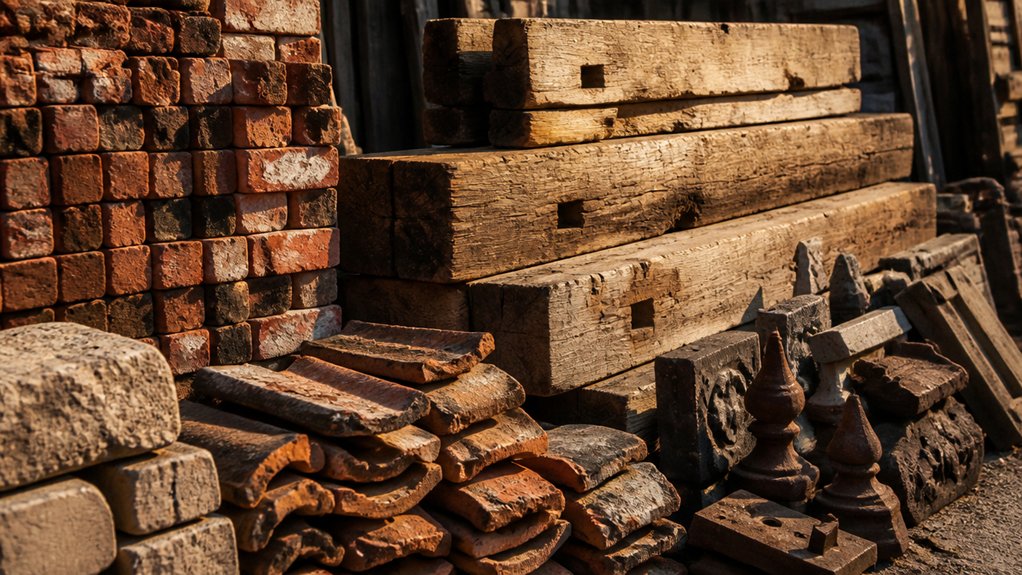
When sourcing reclaimed bricks, look for a supplier who can explain where the stock came from and how it was prepared. Supplier reputation matters: ask for references, consistent grading, and clear details about cleaning, sorting, and storage.
A knowledgeable seller should identify the bricks’ age, original use, and likely composition, helping you judge historical authenticity without relying on appearance alone.
Inspect samples in person whenever possible. Check for cracks, crumbling faces, excessive mortar, and uneven dimensions; these can affect handling and installation. Some variation is expected, but the batch should suit your project’s specifications.
Confirm quantities, delivery conditions, and the supplier’s policy for damaged or misgraded stock before you commit. If you need a precise match, request a representative sample and compare it with existing materials under natural light.
Keep records of the agreed grade and source.
Where Can Reclaimed Bricks Add Character to a Renovation?
Once you’ve assessed a batch’s quality and suitability, consider where its age and texture will have the greatest effect. A reclaimed-brick feature wall can anchor a living room, dining area, or entrance, adding depth without overwhelming the scheme.
In kitchens, use brick for a restrained backsplash or island surround, balancing its irregular surface with clean cabinetry and durable finishes.
For exterior renovations, reclaimed bricks can define garden walls, courtyards, and extensions, helping new work sit comfortably beside older architecture. Match tones and mortar carefully to preserve Historical authenticity, or introduce a deliberate contrast for a contemporary finish.
Their aesthetic versatility also suits fireplaces, archways, and flooring, provided you account for weight, sealing, and maintenance. Choose one or two focal areas, then let surrounding materials give the brick room to speak.
How Do Reclaimed Bricks Support Sustainable Renovations?
By reusing sound masonry, you can reduce demand for newly manufactured bricks and keep usable material out of landfill. This gives your renovation a practical sustainability benefit without compromising character or performance.
Reclaimed bricks are Eco friendly materials when you source them responsibly, assess their condition, and match them to the project’s structural requirements. Their reuse supports Waste reduction and can lower the resources tied to producing and transporting new units, particularly when you buy locally.
Plan carefully before installation. Confirm quantities, dimensions, strength, and exposure suitability, then allow time for cleaning and preparation.
A consistent supply can be limited, so secure enough bricks early and retain a small reserve for repairs.
Conclusion
Reclaimed brick gives your renovation more than visual warmth: it adds provenance, durability, and a persuasive sustainability story. Choose sound, well-sorted stock, then use it where texture can define an entrance, fireplace, or courtyard without overwhelming the design. The environmental case is measurable: the EPA estimates that construction and demolition debris generated 600 million tons in the United States in 2018, more than twice the amount of municipal solid waste. By reusing brick, you help keep valuable material in service.