 MartinShields
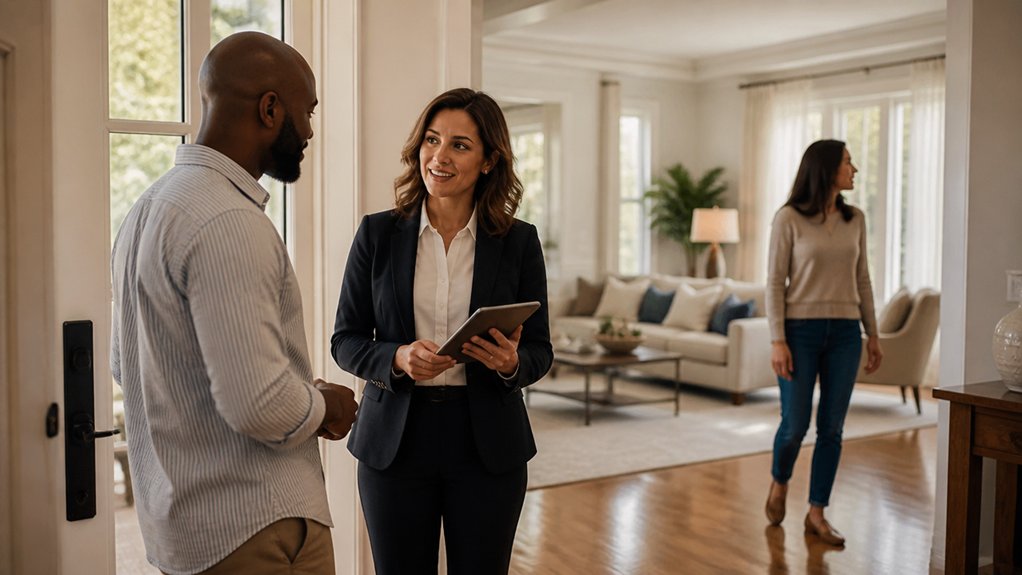
The person who conducts your home viewings can influence how buyers see the property—and how confidently they make an offer. Your estate agent will usually lead, but you may be able to show buyers around yourself or share the role. The right arrangement depends on your schedule, comfort, and what buyers need to know. Before you decide, it’s worth understanding what each option involves and what to agree with your agent.
Key Takeaways
- Usually, your estate agent conducts viewings, guides buyers around, and answers questions about the property.
- You can host viewings yourself if you agree this with your agent and prepare the home appropriately.
- Sometimes, the agent and owner share hosting, with one person clearly leading the tour.
- Agree in advance who will host, how visitors will be welcomed, and how access will be arranged.
- Virtual tours and open houses may also be arranged with your agent’s approval.
Who Usually Conducts Property Viewings?
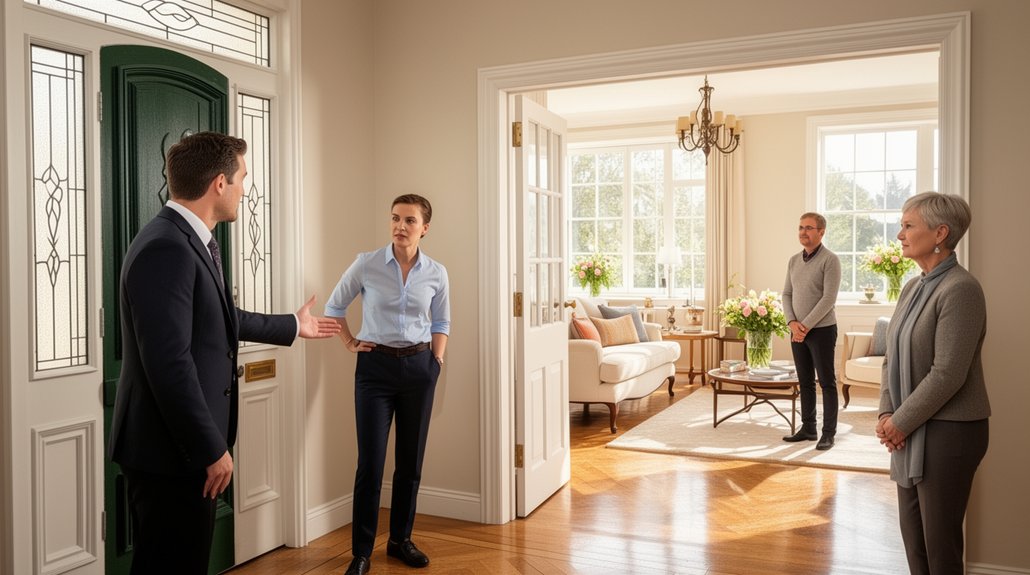
In most cases, the estate agent handling the sale conducts property viewings, explains the home’s features, and answers buyers’ questions. Your agent knows the property details, understands its selling points, and can present them accurately. They’ll also gauge buyers’ reactions and clarify practical matters, such as nearby amenities or the condition of fixtures.
A skilled agent connects viewings to your wider Property Marketing strategy, ensuring the presentation matches the listing and attracts suitable buyers. Their experience supports effective Buyer Engagement: they can respond confidently, identify genuine interest, and relay useful feedback to you after each visit.
You may sometimes choose to conduct a viewing yourself, but an agent can offer an informed, professional perspective. Before marketing begins, confirm who’ll represent your property and make sure they’ve accurate information about its features, history, and selling points.
How Do Viewing Arrangements Differ?
Viewing arrangements vary according to the property, your availability, and the buyer’s needs. You might offer set appointment slots, allow requests for specific times, or group viewings together when interest is high.
If you live in the home, agree on reasonable notice and choose times that fit your routine. For a vacant property, your agent may have more flexibility, but you’ll still need to confirm access and any security requirements.
Good viewing etiquette helps everyone feel comfortable: ask visitors to arrive on time, remove shoes if appropriate, and avoid overlapping appointments unless you’ve agreed to a group visit.
Consider privacy considerations before each viewing. Put away personal documents, valuables, family photographs, and anything you don’t want visitors to see.
Tell your agent about restricted rooms, pets, or access needs, then confirm how cancellations and rescheduling will be handled.
What Does an Estate Agent Do During a Viewing?
During a viewing, your estate agent welcomes prospective buyers, guides them through the property, and answers questions about its features and practical details. They highlight selling points such as storage, natural light, recent improvements, and nearby amenities, linking these details to what buyers may value.
Your agent also handles questions about asking price, offer procedures, and local Market trends, giving accurate information without promising an outcome.
Before visitors arrive, your agent checks that access is arranged and the home is ready to present. They may offer practical Property staging advice, such as clearing surfaces or improving lighting, so rooms feel welcoming and easy to assess.
During the appointment, they observe buyers’ reactions and note concerns or follow-up questions. Afterward, they report feedback to you, helping you judge interest and decide whether any changes to your marketing approach could help.
Can You Show Buyers Around Yourself?
You can show buyers around your home yourself, even if an estate agent handles the sale. Agree on the arrangement before viewings begin, and confirm who’ll respond to enquiries, manage bookings and follow up with interested buyers. Your agent can still market the property, qualify prospective buyers and coordinate appointments while you lead the tour.
Prepare each room by tidying surfaces, opening curtains and securing valuables. Plan a clear route that highlights useful features, such as storage, recent improvements and energy-saving upgrades. Give buyers time to look around, answer questions honestly and avoid overstating benefits. If you don’t know an answer, make a note and ask your agent to follow up.
You can also use Virtual tours to reach remote buyers or host Open houses, provided your agent agrees on the format and logistics.
What Are the Pros and Cons of Agent-Led Viewings?
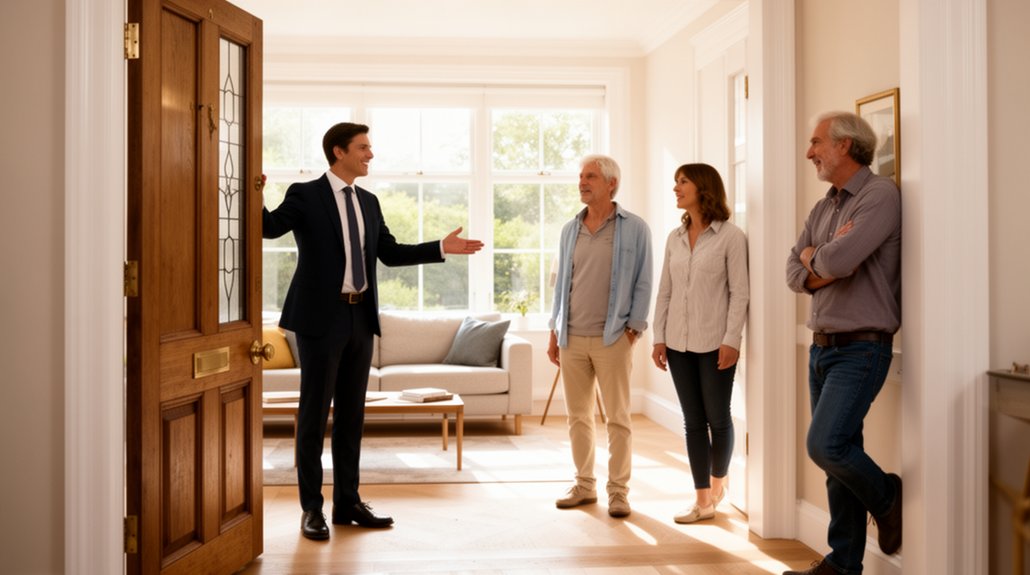
When an estate agent leads viewings, they can explain the property objectively, answer questions confidently and gauge buyers’ interest. They’ll highlight features that match each buyer’s priorities, while using their knowledge of local demand to address concerns accurately. Their feedback can help you refine your Marketing strategies and spot recurring objections before they affect your sale.
However, you’ll need to trust the agent to represent your home well. A rushed tour, incomplete answers or missed features could weaken a buyer’s impression. Ask how they prepare, what information they’ll share and how they’ll report feedback. Confirm who’ll conduct viewings if your usual contact isn’t available.
An experienced negotiator can also use buyers’ responses to support pricing negotiations, but you should agree on your preferred approach beforehand. Clear expectations help you get consistent, professional service.
Can You Be Home During a Property Viewing?
You can stay at home during a viewing, but it’s usually better to step out if you can. Buyers often feel more comfortable exploring freely when you’re not present, and they may speak more openly with the agent. Your absence also lets the agent answer questions without interruption and highlight the property’s strengths.
If you need to remain, keep to one room or leave the agent to lead the tour. Avoid following visitors or correcting their comments; give them space to assess the home.
Complete home staging beforehand, then secure valuables, medication, personal documents, and spare keys. Address security concerns by asking your agent to manage access and supervise visitors.
If you have pets or children, arrange a safe, quiet place for them during the appointment. Stay available by phone in case the agent needs you.
How Do You Choose the Right Viewing Arrangement?
Choose between agent-led and self-led viewings based on your schedule, comfort, and how much control you want.
An agent can answer buyers’ questions and manage access.
While you can lead viewings yourself for a more personal approach.
Consider the trade-offs before deciding which arrangement best suits your sale.
Agent-Led Viewings
If you’d rather not conduct viewings yourself, an estate agent can show buyers around and answer their questions. Choose an agent who knows your property, understands its strongest selling points and can explain practical details accurately.
Before viewings begin, agree on availability, notice periods and how the agent will collect feedback. Ask whether the same person will attend each appointment; consistency can help buyers feel comfortable and ensures they receive reliable information.
Discuss preparation, too. Your agent can advise on home staging and whether virtual tours could help buyers assess the layout before booking.
Confirm who’ll manage access, secure valuables and follow up with interested viewers. Check that the viewing plan suits your schedule and marketing strategy, and ask how the agent will report attendance, questions and concerns.
Clear expectations help you judge whether agent-led viewings offer the right support.
Self-Led Viewings
Taking a hands-on approach means you’ll conduct the viewings and answer buyers’ questions yourself. Self-led viewings can suit you if you know your home well, feel confident speaking with prospective buyers, and can accommodate their schedules. You’ll control the pace, highlight features that matter, and hear feedback firsthand.
Before each appointment, tidy rooms, complete basic home staging, and open curtains to make spaces feel welcoming. Prepare concise answers about running costs, renovations, boundaries, and your preferred move date. Be honest when you don’t know something; follow up with accurate information rather than guessing.
Consider your safety and privacy: confirm visitors’ identities, secure valuables, and avoid sharing sensitive details. If you can’t attend every appointment, ask your agent to cover gaps or offer virtual tours.
Choose self-led viewings only if you can stay available, prepared, and objective.
What Should You Agree With Your Estate Agent?
Agree with your estate agent who’ll conduct each viewing and who’ll follow up with prospective buyers.
Confirm your availability, notice periods, and how you’ll handle bookings or changes.
Clear arrangements help prevent missed viewings and confusion.
Agree on Viewing Responsibilities
Before viewings begin, clarify who’ll host them: you, your estate agent, or a mix of both. Set out each person’s responsibilities so you don’t leave buyers uncertain or duplicate effort.
If your agent conducts viewings, agree how they’ll present your home, answer questions, and gather feedback. Their knowledge of property marketing can help them highlight features that match buyers’ priorities without overstating claims.
If you host, ask your agent to brief you on likely questions and key selling points.
For shared viewings, decide who leads the tour and who handles buyer queries.
Agree on viewing etiquette, including how you’ll welcome visitors, protect private belongings, and respect your home’s boundaries.
Put these expectations in writing, and review them if your needs or the agent’s role changes.
Confirm Availability and Arrangements
Set clear availability and booking arrangements with your estate agent so buyers can view your home without unnecessary delays. Tell them which days and times suit you, how much notice you need, and whether you can accommodate evening or weekend appointments.
Agree how buyers should request a viewing and who’ll confirm each booking.
Ask your agent to maintain a shared viewing schedule and update you promptly when appointments change. Confirm how they’ll handle access, including keys, alarm codes, pets, and any rooms buyers shouldn’t enter.
If you’ll be away, decide who can approve appointments and prepare the property.
Coordinate these arrangements with your Property marketing plan. Flexible access can help attract more buyers, but you don’t need to accept inconvenient visits.
Review the schedule regularly with your agent and adjust availability as your circumstances change.
Conclusion
Ultimately, you and your estate agent should agree who’ll lead each viewing, how much notice you’ll get, and who’ll follow up with buyers. Think of the arrangement like passing a relay baton: a clear handover keeps the conversation moving and helps every visitor feel welcome. One seller who let their agent handle the tour was able to focus on preparing the home, while the agent answered questions confidently. Choose the approach that makes you—and your buyers—most comfortable.