 MartinShields
Like a well-worn chapter in an old house’s history, reclaimed materials bring age and character into a renovation. Before you buy new, consider how reused timber, brick, doors, and fixtures can reduce waste, preserve architectural details, and sometimes lower costs. You’ll need to weigh those benefits against condition, safety, and fit—and know where to source reliable pieces. One overlooked check can make all the difference.
Key Takeaways
- Reclaimed materials reduce landfill waste and avoid the resources and energy needed to manufacture new products.
- Salvaged timber, brick, doors, and fixtures add distinctive patina, history, and character to a space.
- Reusing materials can lower costs, especially when available sizes and quantities suit the project.
- Inspect condition, dimensions, provenance, and treatments to confirm materials are suitable and safe.
- Check for hazards such as lead, asbestos, mold, rot, or pests, and arrange professional testing when needed.
What Counts as Reclaimed Building Materials?
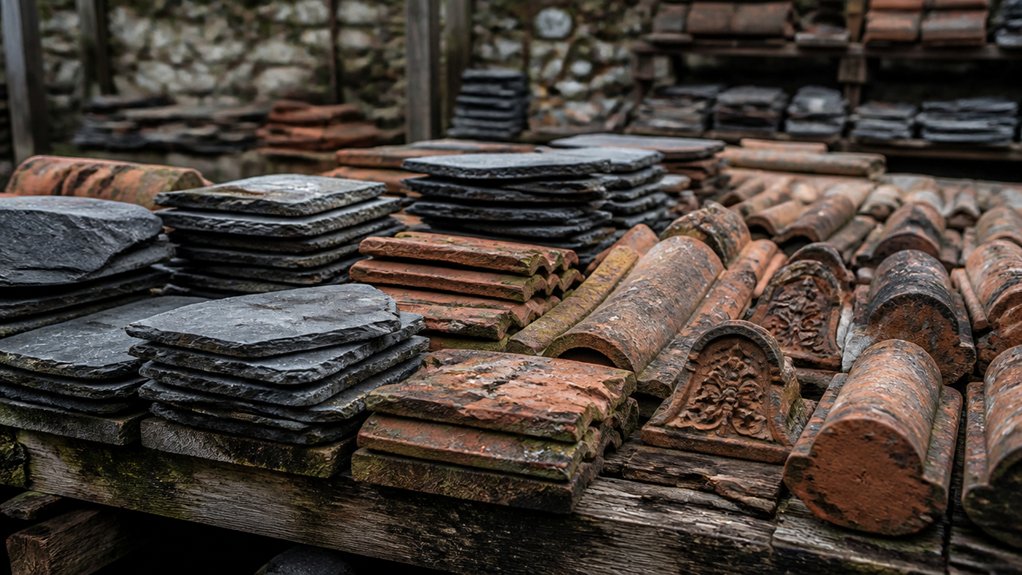
Reclaimed building materials are salvaged from existing buildings or sites and reused in new construction or restoration. You might source them from demolished homes, barns, factories, or infrastructure projects. Common examples include structural timber, brick, stone, flooring, doors, windows, hardware, and architectural details.
A material counts as reclaimed when it has served a previous purpose and is recovered for another use, rather than newly manufactured to look old.
Before specifying pieces, check their condition, dimensions, species or composition, and suitability for your project. Ask suppliers about provenance, treatment, and any repairs needed; inspect items for rot, pests, lead paint, or other hazards.
Reclaimed components can preserve Historical significance when you restore a period property, while their Environmental impact depends on sourcing, processing, transport, and safe installation. Confirm local code requirements before use.
How Can Reclaimed Materials Cut Waste?
Once you’ve confirmed a salvaged item is safe and suitable, reusing it can keep usable materials out of landfills and reduce demand for newly manufactured products. When you restore doors, flooring, fixtures, or lumber, you extend their service life instead of sending them to disposal. You’ll also avoid some of the energy and resources required to extract, process, and transport new materials, lowering your project’s environmental impact.
Plan carefully to prevent waste during removal and installation. Measure reclaimed pieces before you design around them, then sort, clean, and store them properly to protect what you can reuse.
If an item doesn’t fit its original purpose, consider its upcycling potential: a damaged board may become shelving, while leftover tile can suit a small backsplash. By matching materials to practical uses, you’ll reduce offcuts and unnecessary purchases.
How Do Reclaimed Materials Add Character?
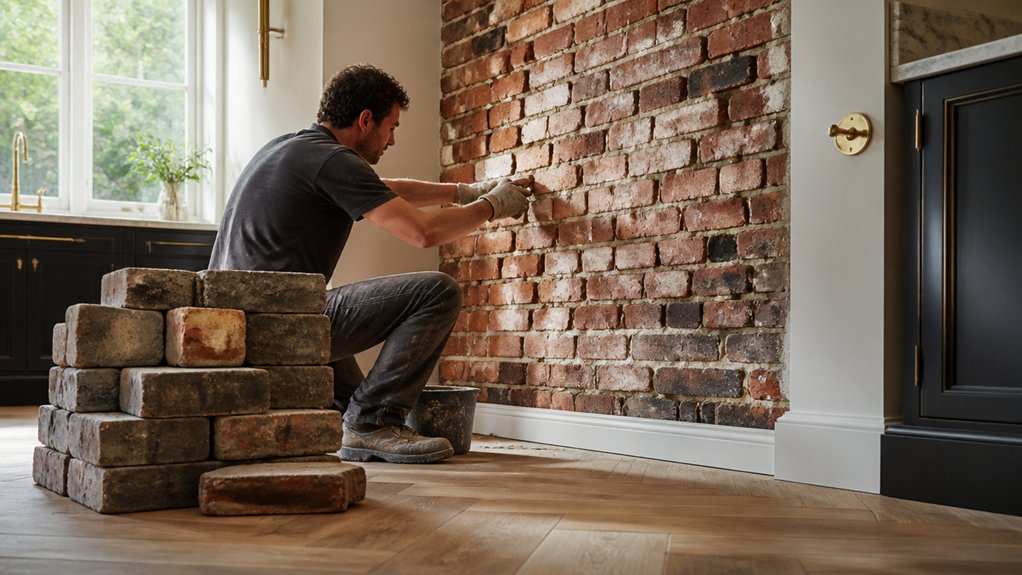
Because reclaimed materials carry traces of their former use, they can give a space a sense of history and individuality. When you restore old flooring, exposed beams, or salvaged brick, you preserve marks, grain, and patina that new products can’t replicate. These details bring vintage charm to a renovation while helping you connect the finished room to its past.
Choose pieces that suit your building’s age and architectural style. A reclaimed mantel may reinforce historic appeal, while weathered boards can add warmth to a simpler interior. Before installation, inspect each item for damage, pests, and hazardous finishes, then clean and repair it carefully.
You’ll retain character without compromising safety or function. Use reclaimed elements selectively, so their distinctive textures complement rather than overwhelm your design.
Can Reclaimed Building Materials Save Money?
Beyond the character they add, reclaimed materials can lower renovation costs—but the purchase price is only part of the calculation. Compare the full cost with new alternatives, including transport, cleaning, fitting, and any specialist labor. A salvaged door may cost less than a custom reproduction, while an uncommon molding could require hours of careful adaptation. Make a cost comparison that accounts for usable quantity and installation time, not just the price per piece.
For Historical preservation, reclaimed materials can also protect original details that would be expensive to recreate. You’ll often save most when dimensions match your project and a supplier offers enough stock. Ask your contractor to assess compatibility early, then weigh savings against the work needed to integrate each item.
When a piece fits the design and budget, reuse can deliver lasting value without compromising restoration goals.
What Should You Check for Damage and Hazards?
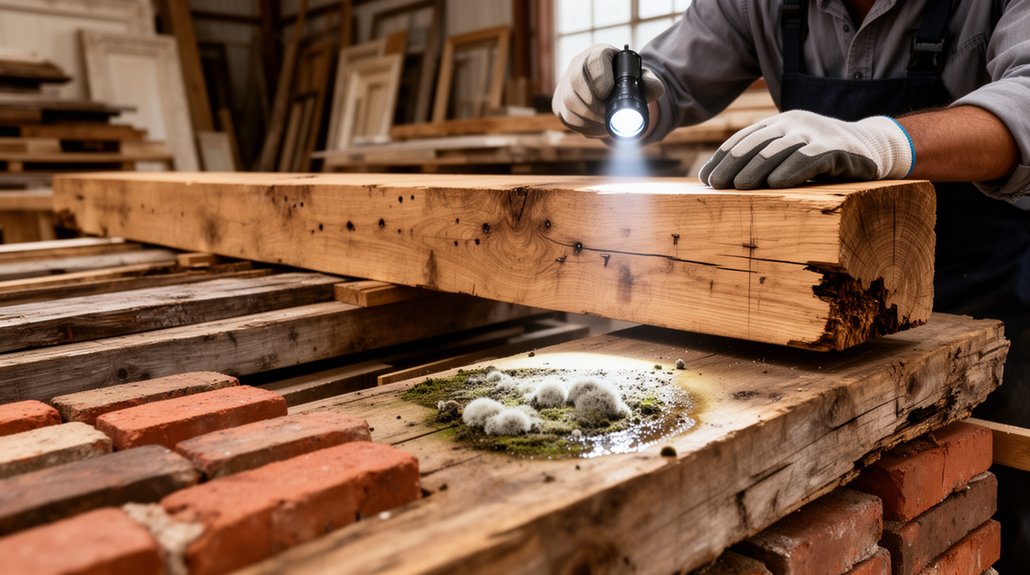
Before reusing reclaimed materials, check for cracks, rot, warping, and other structural damage that could compromise their performance.
Test suspect materials for hazards such as lead, asbestos, or mold before cutting, sanding, or installing them.
These checks help you plan safe restoration and decide what needs repair or professional handling.
Inspect for Structural Damage
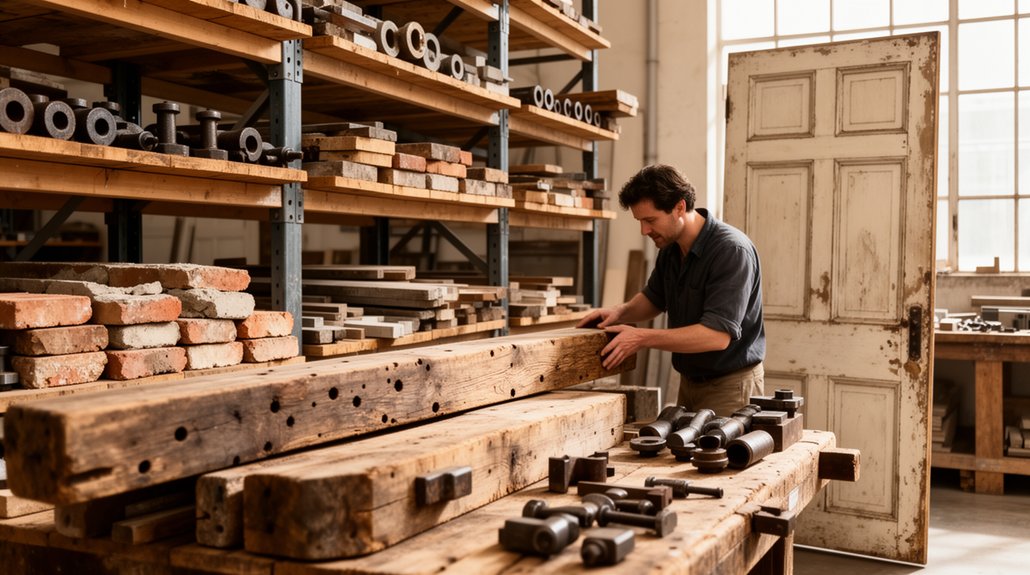
Before you reuse reclaimed materials, inspect them for cracks, rot, corrosion, warping, and loose or failing joints. Look closely at beams, posts, joists, and framing members, especially around fasteners and end grain, where moisture damage often starts. Probe suspect wood with an awl; soft, crumbling areas may not hold a repair.
Check metal for deep pitting, bends, and weakened connections, and examine masonry for shifting, spalling, or fractured mortar.
Match the inspection to the material’s intended role. A load bearing assessment should confirm that structural pieces retain adequate strength and dimensions; don’t rely on appearance alone.
For salvaged doors, flooring, or trim, check for distortion that could prevent a sound fit. If materials came from a building with settlement, include a foundation inspection and consult a qualified professional before reuse.
Test for Hazardous Materials
Check reclaimed materials for hazardous substances as carefully as you check them for structural damage. Older paint may contain lead, while insulation, floor tiles, roofing, or pipe coverings may contain asbestos. Look for stains, unusual odors, powdery residue, and signs of past chemical spills, but don’t rely on appearance alone.
Before sanding, cutting, or removing finishes, arrange Hazardous testing through a qualified professional when the material’s age or history raises concern. Testing helps you choose safe handling, removal, and disposal methods—and prevents contamination during restoration.
Prioritize Material safety for everyone who’ll work on or live with the reclaimed pieces. Keep suspect items separate, avoid disturbing them, and follow local rules for sampling and disposal.
If results confirm a hazard, weigh professional remediation against the material’s value. Document findings so you can make informed, responsible reuse decisions.
Where Can You Find Reclaimed Materials?
You can find period-appropriate doors, trim, and fixtures at architectural salvage yards.
Online reuse marketplaces widen your search, but check dimensions, condition, and pickup details before committing.
Ask about materials at demolition and renovation sites, and confirm they’re available for safe, legal salvage.
Architectural Salvage Yards
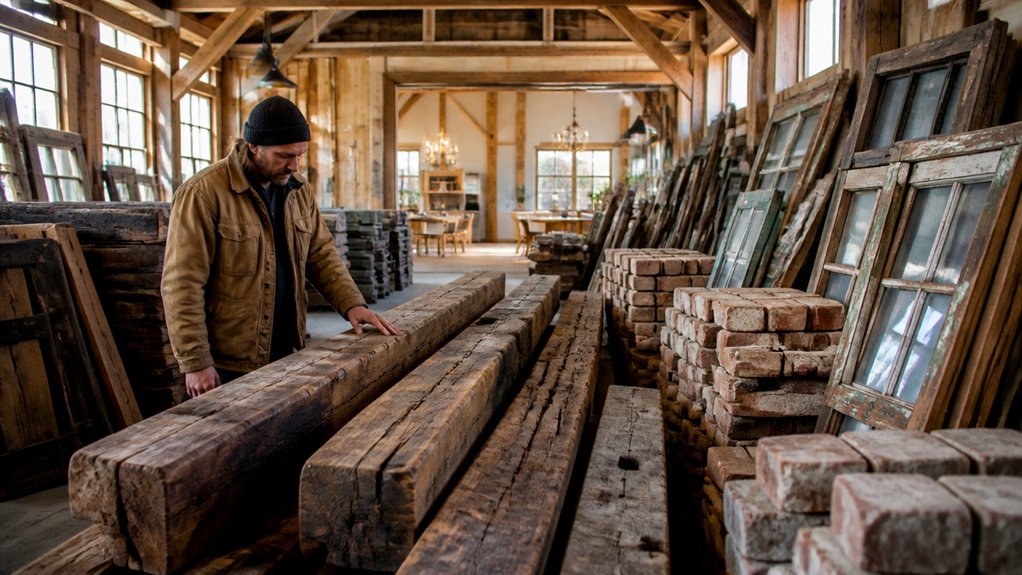
Architectural salvage yards are a practical place to find reclaimed doors, windows, flooring, fixtures, and structural lumber. You can inspect each piece in person, compare dimensions, and assess its condition before you buy. Staff may also identify a material’s age, origin, and suitable restoration methods.
Bring measurements, photos, and a clear list of project needs. Check for rot, insect damage, lead paint, and missing hardware, especially when evaluating older woodwork. Ask whether the yard can recommend compatible finishes or repairs, and confirm return policies before loading bulky items.
Choosing salvaged elements can support Historical preservation while giving your renovation distinctive aesthetic appeal. You’ll often find pieces with craftsmanship that’s difficult to match in new products. Stock changes frequently, so visit regularly and stay flexible about exact sizes, finishes, or quantities.
Reclaimed materials may need cleaning, repairs, or professional assessment before installation.
Online Reuse Marketplaces
Online reuse marketplaces extend your search beyond local salvage yards, connecting you with sellers of reclaimed doors, lumber, flooring, fixtures, and architectural details. Filter listings by material, dimensions, condition, and location, then compare prices before committing.
Ask sellers for clear photos, measurements, provenance, and details about repairs or missing hardware. For restoration work, verify that a piece suits your project’s period and can be safely adapted; older materials may need specialist assessment.
Check shipping costs and return terms, since bulky items can quickly exceed your budget. Local pickup lets you inspect items in person and reduce transport impacts.
Save searches and monitor new listings, because availability shifts with market trends. With careful checks, you can practice sustainable sourcing, find distinctive components, and plan around the materials you actually secure.
Demolition And Renovation Sites
Demolition and renovation sites can yield reclaimed doors, timber, brick, and fixtures before they’re discarded. Ask contractors, property owners, or demolition firms whether they’ll set aside usable materials. Contact them early: crews often need to clear spaces quickly, and salvage plans work best before demolition begins.
Inspect items in person, and confirm you have permission to remove them. Check timber for rot, brick for cracks, and fixtures for missing parts or unsafe wiring. Ask about storage, removal deadlines, and any fees; bring suitable tools and transport if you’re collecting materials yourself.
Choose pieces that suit your restoration plans and can be safely reused. Salvaging sound materials supports building material longevity and reduces the environmental impact of disposal and new production.
Photograph, measure, and label each item before removal so you can plan its installation and preserve its condition.
Will Reclaimed Materials Fit Your Project?
Before choosing reclaimed materials, check whether their dimensions, condition, and availability suit your project. Measure openings, spans, and finished surfaces, then compare them with each item’s actual size.
Older lumber, doors, and fixtures may not match modern standards, so plan for careful trimming or adaptation.
Inspect each piece for rot, corrosion, cracks, lead paint, or other hazards. Ask about its history and any treatment, and confirm that it can meet your project’s structural and safety requirements.
Material durability depends on both its original quality and how it’s been stored.
You’ll also need enough stock to complete the work; reclaimed supplies can’t always be reordered. Build flexibility into your schedule and design.
With thoughtful planning, creative design can turn size variations and distinctive patina into features while preserving the building’s character.
Conclusion
Before you buy new, give reclaimed materials a fair inspection. Check dimensions, condition, and potential hazards, then confirm they’ll meet your project’s needs and local requirements. A sound salvage yard find can preserve original details, reduce waste, and bring a depth of character no factory-fresh replica can match. You may even save money—though you’ll need to allow for preparation and fitting. Think of it as bringing a little history into your renovation, with your safety goggles firmly in place.