 MartinShields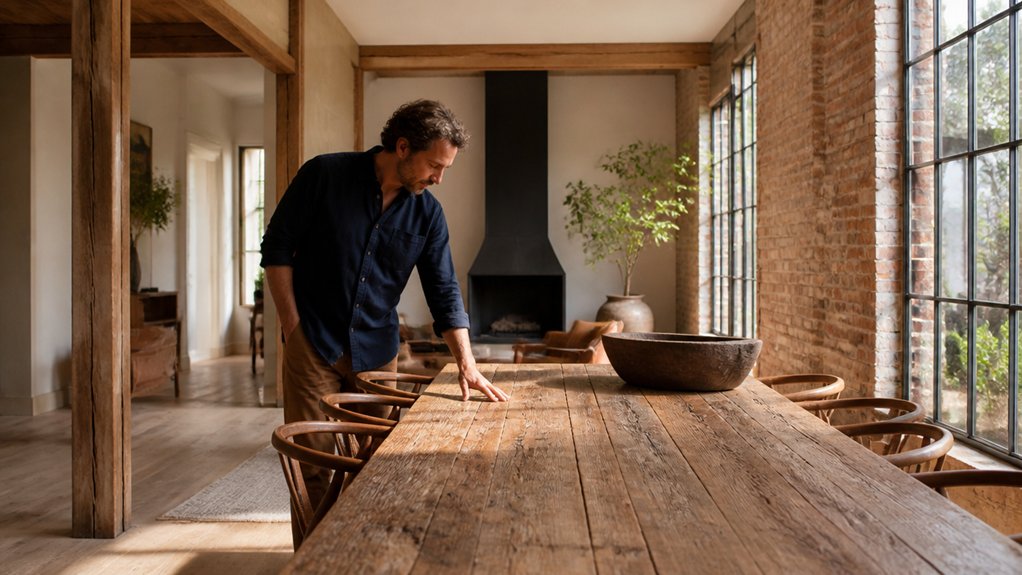
When you choose reclaimed building materials, you can conserve resources and give your home character that new products rarely match. Salvaged wood, brick, and metal can bring durability and a sense of history to a renovation, but not every piece suits every project. You’ll need to weigh cost, safety, fit, and environmental impact before you buy. Here’s what to take into account—and how to find materials that work for your home.
Key Takeaways
- Reclaimed materials reduce demand for new resources, conserve energy and raw materials, and keep usable components out of landfills.
- Their distinctive wood, brick, and metal can add character while preserving architectural details and creating cohesive indoor-outdoor designs.
- Homeowners can use reclaimed materials for flooring, beams, shelves, accent walls, patios, and other features when materials suit the intended use.
- Careful inspection for pests, rot, lead, cracks, corrosion, and structural suitability helps ensure reclaimed materials are safe and durable.
- Compare purchase, inspection, repair, delivery, and processing costs; local sourcing and minimal treatment can improve environmental and financial value.
Why Choose Reclaimed Building Materials?
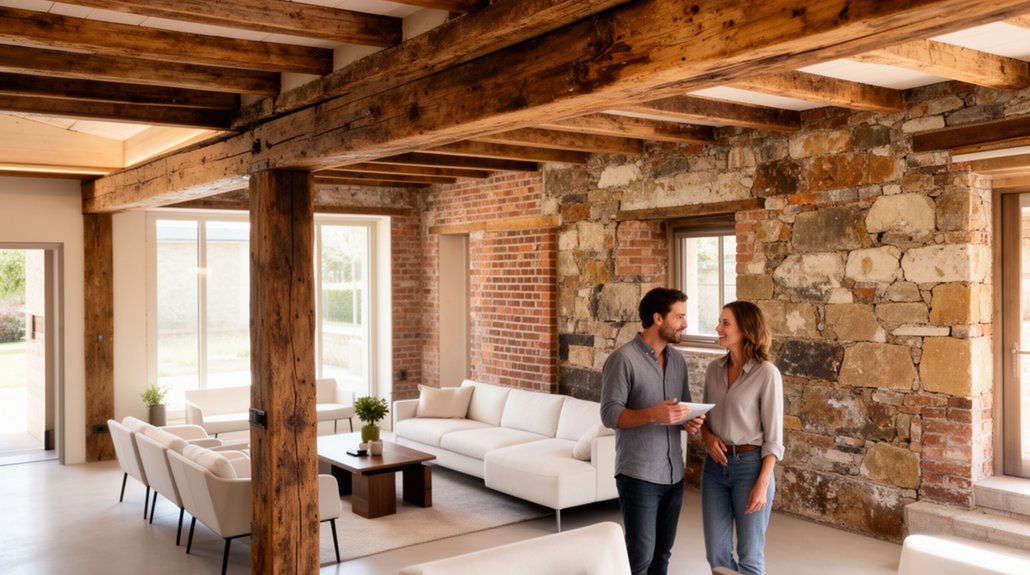
Choosing reclaimed building materials can reduce demand for newly harvested resources and keep usable materials out of landfills. When you reuse existing components, you also limit the energy and emissions associated with manufacturing and transporting new products. That choice can support a more resource-conscious renovation, though reclaimed materials still need careful inspection and responsible sourcing.
You can also bring character into your home that new construction often can’t replicate. Distinctive wear, aged finishes, and evidence of earlier craftsmanship create Aesthetic appeal while giving rooms a sense of depth and individuality. Reuse can contribute to Historical preservation, too, by keeping architectural elements connected to their original context rather than discarding them.
Before you commit, confirm each item’s condition, provenance, and suitability for your project. The right reclaimed choices can align your design goals with practical environmental and cultural benefits.
Which Reclaimed Materials Work Best at Home?
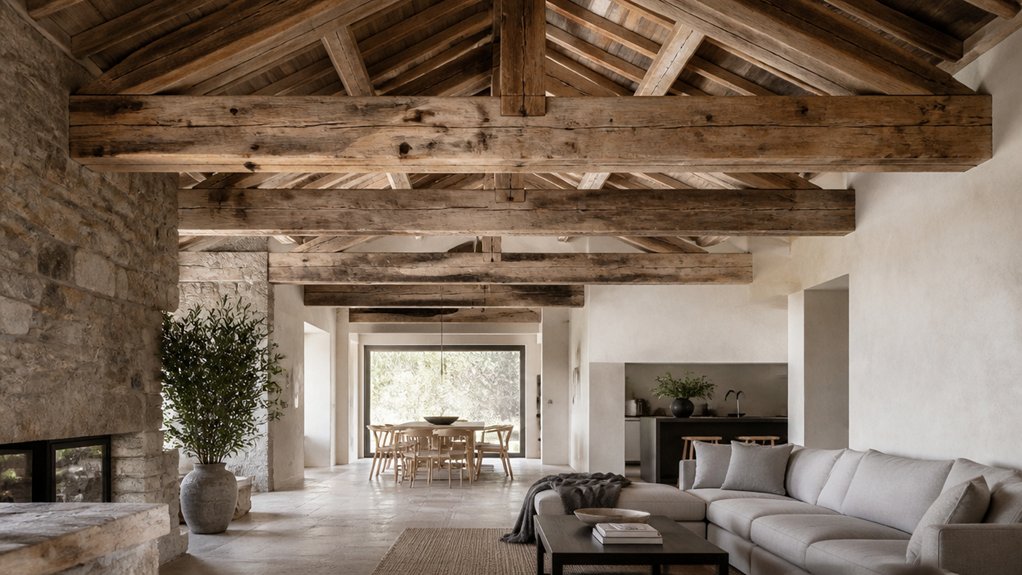
You can use reclaimed wood for flooring, shelving, or exposed beams, provided it’s sound and free of pests.
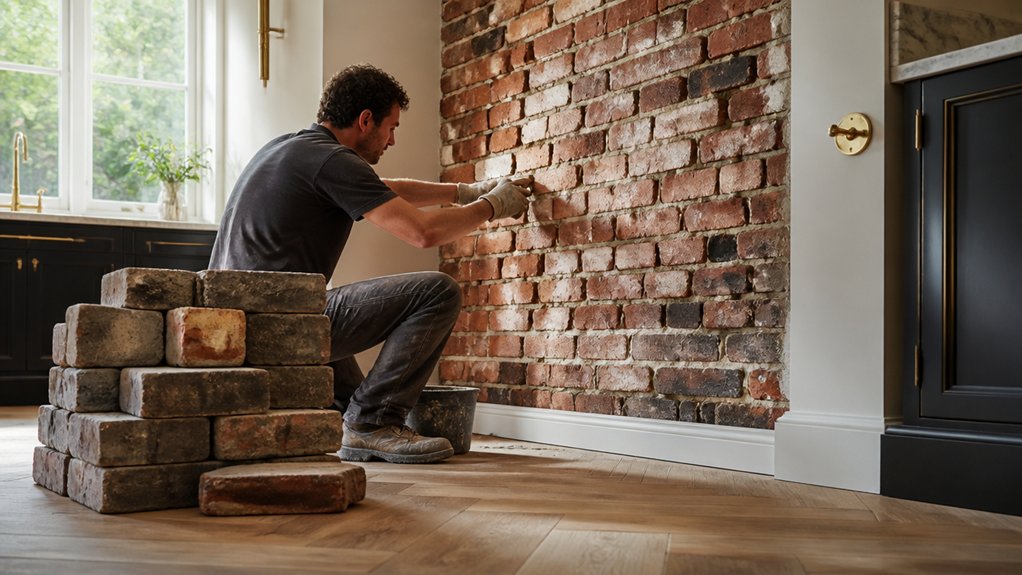
Salvaged brick suits accent walls and patios.
Reused metal works well for railings, fixtures, and structural details.
Choose materials based on their condition, intended use, and local building requirements.
Reclaimed Wood
Reclaimed wood adds character and reduces demand for newly harvested lumber, but the best choice depends on where you’ll use it.
For flooring, choose dense, stable boards with enough thickness for refinishing. Old-growth oak, maple, and heart pine can handle daily wear, though you should confirm the wood’s history and condition before installation.
For shelves, mantels, or accent walls, you can prioritize grain, patina, and dimensions over hardness. Barn beams and weathered boards bring Vintage charm, but check for nails, pests, rot, and lead-based finishes.
Ask your supplier how the material was treated and kiln-dried; reclaimed wood needs proper preparation to limit insects and movement.
Match the species and finish to your room’s moisture and traffic. With careful sourcing, you’ll get durable character and support Eco conscious design.
Salvaged Brick
Salvaged brick brings warmth and texture to fireplaces, garden paths, and interior walls, but its condition and intended use matter. Inspect each brick for cracks, crumbling faces, and mortar residue before you buy.
Sound units can suit paving or feature walls; reserve bricks with historic markings for projects that value Historical preservation. Their varied colors and weathered surfaces add Aesthetic appeal, but you’ll need to plan around inconsistent sizes and shades.
Ask your supplier where the bricks came from and whether they’ve been cleaned safely. For outdoor paths, choose dense, frost-resistant bricks and set them on a stable, well-drained base.
Indoors, confirm the bricks and mortar meet local fire requirements before building a fireplace surround. Match compatible mortar, and test a small section first to check the finished look and bond.
Reused Metal
When you choose reused metal for a home project, match the material to its intended use. Reclaimed steel beams can support structural work, but you’ll need an engineer to verify their grade, condition, and load capacity.
For railings, shelving, and furniture, salvaged iron or steel offers durability and character without demanding structural certification.
Inspect every piece for corrosion, cracks, warping, and old coatings. Lead-based paint may require professional removal, while rust can weaken metal beyond what cleaning will fix.
Ask suppliers about the metal’s source and any testing records.
Good metal preservation starts with removing contaminants, treating surface rust, and applying a suitable protective finish.
Keep outdoor pieces coated and check them regularly for damage.
If you need consistent dimensions or a lower-impact new option, recycled steel can complement reclaimed materials while meeting modern specifications.
Where Can You Use Reclaimed Wood and Brick?
From accent walls and fireplace surrounds to flooring, cabinetry, patios, and garden paths, reclaimed wood and brick can add character to many parts of a home. Use reclaimed wood on ceilings, built-in shelves, stair treads, or kitchen islands to bring warmth and Vintage charm to rooms.
For a more rugged look, pair exposed brick with steel fixtures for Industrial style, or create a brick backsplash behind your range. Outdoors, reclaimed brick suits walkways, retaining walls, and patio borders; wood can define raised beds or form a privacy screen.
Choose applications that suit each material’s strength: use sturdy boards where surfaces take regular wear, and reserve decorative pieces for low-impact areas. You can also mix wood and brick to connect indoor and outdoor spaces with a cohesive, layered look.
How Do You Check Reclaimed Materials for Safety and Fit?
Before installing reclaimed materials, inspect them for hazards and confirm they suit the job. Check wood for rot, insect damage, embedded nails, and chemical treatments; test suspect paint for lead. Examine brick and stone for cracks, crumbling faces, and mortar residue that could affect bonding.
For structural or fire-rated uses, don’t rely on appearance alone: request Material certification or test results, and consult a qualified professional when documentation is missing.
A careful Quality inspection should also verify dimensions, thickness, moisture content, and consistency against your plans. Measure each piece, then confirm it fits the intended opening, load, finish, and installation method.
Compare samples with adjoining materials so color and texture differences won’t surprise you. If pieces vary, allow for sorting, trimming, and waste. Reject anything unsafe, unstable, or incompatible before installation; repairs won’t make every reclaimed item suitable for every application.
Where Can You Find Reclaimed Materials and Vet Sellers?
You can find reclaimed materials at architectural salvage yards, deconstruction firms, reuse centers, demolition auctions, and reputable online marketplaces. Visit local yards to inspect items in person, and ask deconstruction firms whether they’ll notify you before a project begins.
Reuse centers often organize stock by type, while auctions may require quick decisions, so review listings and terms beforehand.
Vet each seller before you commit. Check supplier reputation through independent reviews, references, and a clear record of completed transactions. Ask where an item came from, when it was removed, and how the seller stored it.
Request photographs of identifying marks, original hardware, or other details that support material authenticity. A knowledgeable seller should answer questions directly and disclose repairs, alterations, or uncertain provenance.
Get descriptions and agreed condition in writing, and confirm the seller’s return or dispute process before arranging pickup or delivery.
How Much Do Reclaimed Materials Cost?

Reclaimed materials don’t have a standard price: costs vary by material, condition, rarity, and location. You might pay more for hand-hewn beams, antique brick, or distinctive hardware than for common salvaged lumber.
Rare pieces with strong Historical authenticity can command premium prices, especially when demand is high.
Compare the material’s price with new alternatives, but account for more than the purchase itself. You’ll also need to budget for inspection, cleaning, repairs, delivery, and any extra labor required to fit irregular pieces.
Ask sellers for dimensions, condition details, and a clear breakdown of charges.
For accurate cost estimation, request several quotes and confirm what each includes. Set aside a contingency for hidden damage or shortages, and verify that the material suits your project before you buy.
A higher upfront price may still fit your budget if the piece needs little modification.
What Makes Reclaimed Materials More Sustainable?
Price is only one part of a reclaimed material’s value; its sustainability comes largely from keeping usable resources in service. When you reuse lumber, brick, or fixtures, you reduce demand for newly harvested or manufactured products. That supports resource conservation and can limit the energy, water, and raw materials required to produce replacements.
Reclaimed materials can also keep usable components out of landfills, reducing disposal needs and associated emissions. Their environmental impact varies, though: transport, cleaning, treatment, and repairs all matter. Choose materials sourced nearby and ask how they’ve been handled, especially if you’re considering old paint, treated wood, or structural components.
Reuse isn’t automatically the greener option if a product needs extensive processing or won’t perform safely. Check its condition and intended use, then compare its full life-cycle demands with a new alternative before deciding.
Conclusion
Reclaimed materials bring history, texture, and resource savings into your home—but thoughtful sourcing matters. Before buying, check each piece for pests, hazardous coatings, structural damage, and a good fit for your project. Compare total costs, including cleaning and installation, and choose sellers who can explain a material’s origin. The EPA estimates that construction and demolition generated 600 million tons of U.S. waste in 2018. Reusing sound materials helps keep valuable resources in circulation while giving your home lasting character.