 MartinShields
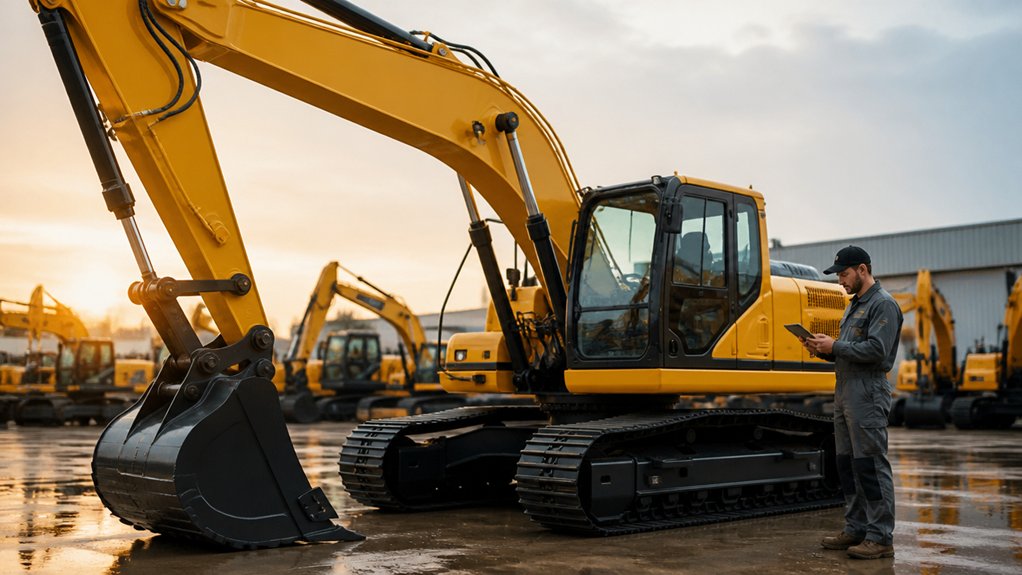
If you’re selling an excavator, a fresh coat of paint won’t make up for neglected maintenance or missing service records. Buyers look for evidence that your machinery has been cared for, priced fairly, and accurately described. A few practical steps can help you avoid costly surprises and strengthen your negotiating position. Start by addressing the details that most often shape a buyer’s first impression—and final offer.
Key Takeaways
- Complete essential maintenance and repairs, prioritizing safety, reliability, and visible defects before listing.
- Clean the machinery thoroughly, repair cosmetic damage, and stage it neatly for inspections and high-quality photos.
- Organize service records, repair receipts, specifications, and warranty documents to build buyer confidence.
- Set a realistic price using recent comparable sales, adjusting for age, operating hours, condition, and documented maintenance.
- Choose the right sale timing and channel, weighing seasonal demand, buyer reach, fees, and transport costs.
Maintain Your Machinery Before the Sale
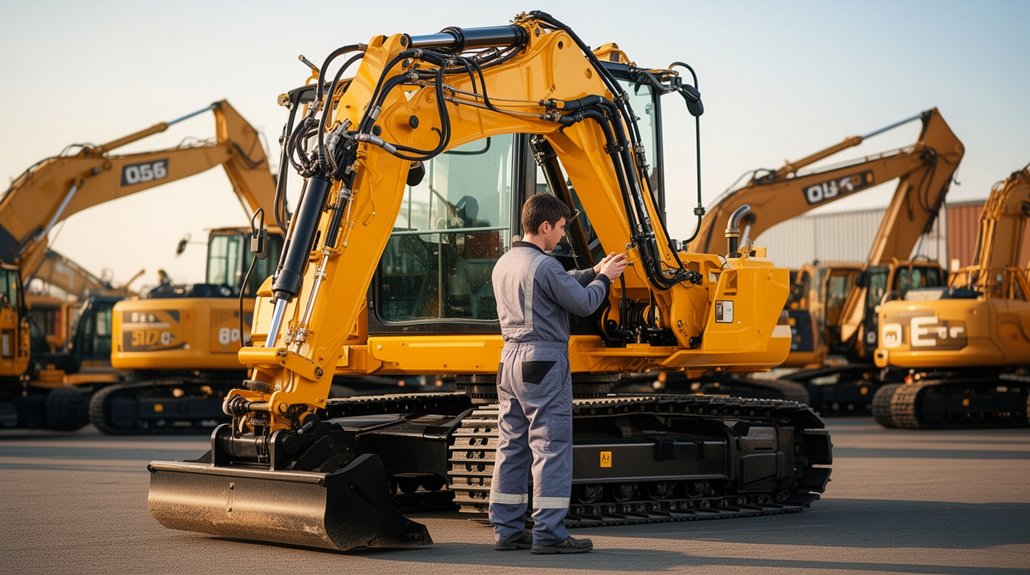
Before listing your used construction machinery, address routine maintenance and repair any issues that could undermine buyer confidence. Check fluid levels, filters, belts, hoses, tyres or tracks, and safety systems. Replace worn components and fix leaks, unusual noises, or faults before buyers inspect the machine.
Clean the equipment thoroughly, including the cab, undercarriage, and accessible engine areas, so its condition is easy to assess.
Test every control and function under normal operating conditions. If a repair requires specialist attention, arrange it before the sale rather than relying on a price reduction.
Review the manufacturer’s guidance for upcoming maintenance, and tell prospective buyers what service will soon be due.
Confirm whether any remaining warranty transfer is permitted, and clarify the process and fees.
A well-maintained machine reassures buyers and supports a stronger asking price.
Document Service History and Repairs
Keep a complete record of the machine’s service history and repairs to give buyers clear evidence of its care. Log each service date, operating-hour reading, inspection, and repair, noting the work completed and the technician responsible. Include invoices and parts receipts so buyers can verify costs and confirm that you used suitable components.
Keep Warranty documentation with the records, including coverage periods, claim details, and any transfer requirements.
Maintain a Spare parts inventory that lists components replaced or held in reserve, with part numbers where available.
Organise everything by machine and date, then provide clear copies to prospective buyers. Accurate records help buyers assess maintenance consistency, understand the machine’s history, and make informed decisions.
Store digital backups securely, but retain original documents when possible. Don’t rely on memory; update records promptly after every service.
Fix Issues That Could Lower Resale Value
Before listing your machinery, repair mechanical faults that could undermine buyer confidence or lead to costly downtime. Address cosmetic damage, too, since a clean, well-maintained appearance can strengthen your asking price.
Prioritize repairs based on their likely effect on resale value.
Repair Mechanical Faults
Mechanical faults can quickly erode a used machine’s resale value, so repair issues that affect performance, safety, or reliability before listing it. Start with a thorough inspection of the engine, hydraulics, transmission, brakes, and electrical systems. Check service records and diagnostic codes to identify recurring problems, not just obvious symptoms.
Get a qualified technician to assess complex faults and provide written estimates before authorising work. Prioritise repairs that affect safe operation or core performance, and use reputable parts for any parts replacement.
Effective inventory management helps you source components efficiently and avoid delays that keep the machine off the market. After repairs, test the equipment under working conditions and document completed work, replaced parts, and maintenance.
Clear evidence gives buyers confidence, supports your asking price, and helps prevent disputes during negotiation.
Address Cosmetic Damage
Once the machine’s mechanical faults are repaired, address cosmetic damage that could weaken a buyer’s first impression or suggest poor care. Inspect the body, cab, steps, and attachments for dents, rust, cracked lights, torn seats, and missing trim.
Clean the machine thoroughly first; dirt can hide damage and make repairs harder to assess. Remove surface rust, treat exposed metal, and use paint touch-up that matches the original finish. Replace broken lights and damaged mirrors, and secure loose panels or guards.
Repair upholstery where practical, but don’t conceal structural problems with cosmetic fixes. These cosmetic enhancements can make your equipment look cared for and help buyers judge its condition fairly.
Keep receipts for parts and paint, and photograph completed work. A tidy, honest presentation supports buyer confidence without overstating the machine’s value.
Clean and Present Your Used Machinery
Wash your machinery thoroughly to remove dirt, grease, and debris that can hide its condition.
Repair visible damage so buyers see equipment that’s been maintained with care.
Stage each machine in a clean, accessible area for inspection.
Wash Thoroughly
Before you list your used construction machinery for sale, clean it thoroughly so buyers can assess its condition without layers of dirt hiding wear, leaks, or damage. Start by removing loose soil with a brush or low-pressure rinse. Use a suitable degreaser on greasy areas, then wash with mild detergent and clean water.
Avoid directing high-pressure spray at seals, electrical connectors, bearings, or the Hydraulic system; water intrusion can cause problems you don’t want to create. Clean tracks, undercarriage, steps, and cab surfaces, where grime often collects. Use a scraper carefully on stubborn deposits, and protect the engine’s air intake.
Dry the machine fully, especially around joints and exposed metal, to limit Surface corrosion. Finish by wiping glass and mirrors so buyers can inspect the equipment clearly and see that you’ve maintained it responsibly.
Repair Visible Damage
After cleaning the machine, repair visible damage that could undermine a buyer’s confidence or suggest neglected maintenance. Fix cracked lights, damaged mirrors, loose panels, broken steps, and torn seat coverings. Replace missing fasteners and secure guards so components don’t rattle or appear unsafe.
Touch up paint only after you’ve addressed rust; paint won’t conceal corrosion for long. For dents, assess whether repair costs make sense given the machine’s age, condition, and market demand.
Prioritise defects that affect safety, operation, or perceived care, and keep receipts for completed work. Use suitable parts and follow manufacturer procedures, especially where repairs could affect warranty options.
Don’t disguise leaks, structural damage, or faults with cosmetic fixes; disclose unresolved issues clearly. Honest, sound repairs help buyers judge value and negotiate with confidence.
Stage for Inspection
Once repairs are complete, stage the machine so buyers can inspect it easily and judge its condition fairly. Wash the exterior, remove grease and debris, and clean the cab, glass, steps, and controls. Clear loose tools and personal items, but leave essential attachments with the machine.
Park on level, well-lit ground with enough space for buyers to walk around and operate it safely. Arrange service records, repair receipts, manuals, and ownership documents nearby; clarify any Warranty considerations, including coverage limits or transfer requirements.
Start the machine before inspection and address obvious leaks, warning lights, or unusual noises rather than hiding them. Take clear photos from multiple angles after cleaning.
Consider Market timing when scheduling viewings, and keep the machine accessible, secure, and presentable between appointments.
Price Your Used Construction Machinery
To price your used construction machinery, start with recent sales of comparable models, then adjust for age, hours, condition, maintenance history, and included attachments.
Use market research from reputable equipment listings, auction results, and dealer valuations to establish a realistic range. Compare machines with similar specifications and avoid relying on asking prices alone; completed sales offer stronger evidence of buyer demand.
Choose pricing strategies that reflect your priorities. Set a firm price when your valuation is well supported, or allow modest negotiation room if you need flexibility.
Account for documented repairs and service records, but don’t assume every upgrade will recover its full cost. If your machine has defects, price them transparently rather than overlooking their effect on value.
Review your estimate against current comparable data before publishing it, and keep your reasoning ready to explain to prospective buyers.
Choose When and Where to Sell Your Machinery
Timing and sales channel can affect how quickly your machinery sells and what buyers will pay. Consider Market timing before you list: demand often rises ahead of busy construction seasons, while year-end budgets can prompt purchases. Check current listings and recent sales for comparable machines, then choose a launch date when buyers are actively searching. Don’t wait too long if your equipment is losing value or needs costly repairs.
Weigh geographic considerations when choosing where to sell. Local buyers may inspect and collect equipment more easily, reducing transport costs and delays. If demand nearby is limited, an online marketplace or specialist auction can reach buyers across a wider region.
Compare each channel’s fees, audience, sale terms, and likely time to payment. Prepare clear photos, service records, and accurate specifications so you can attract serious offers wherever you list.
Conclusion
You can maximise your machinery’s resale value by maintaining it, documenting its history, addressing faults, and presenting it well. Set a competitive price using recent sales, then choose a sales channel and timing that suit your equipment and buyers. One useful benchmark: a machine with complete service records can inspire greater buyer confidence than one with undocumented maintenance. Be transparent about its condition, and you’ll build trust while improving your chances of a faster, stronger sale.