 MartinShields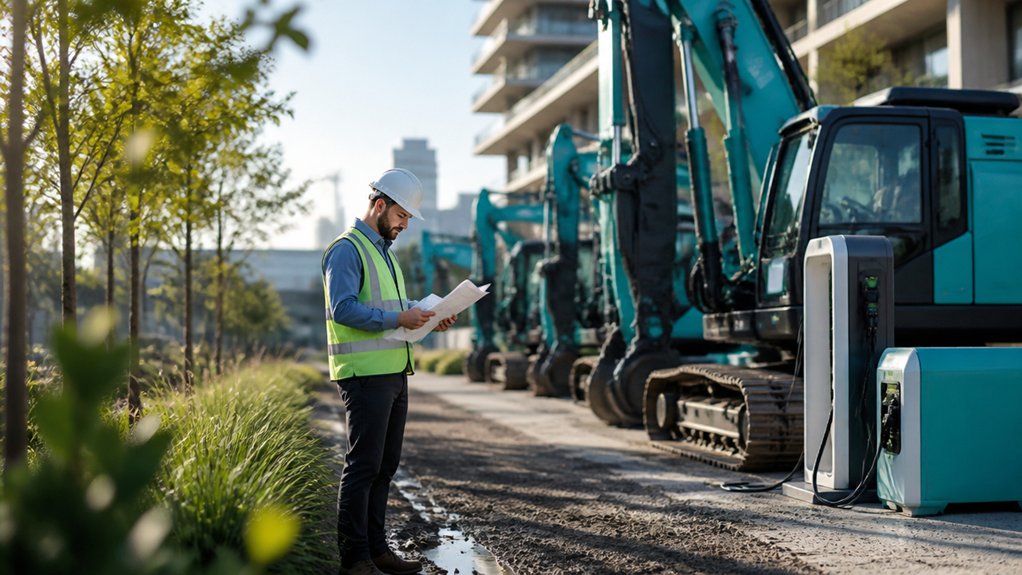
When you choose eco-friendly plant hire, you can lower emissions, use fuel and power more efficiently, and keep your project aligned with tightening environmental rules. Electric and hybrid machinery may also reduce running costs and strengthen your project’s reputation, but the right choice depends on site conditions, equipment availability, and how you plan the work. Before you book, consider what makes a greener fleet practical—and how to measure its impact.
Key Takeaways
- Eco-friendly plant hire reduces emissions, fuel consumption, noise, and resource use across construction projects.
- Shared, well-maintained equipment lasts longer, reduces waste, and avoids the costs of owning underused machinery.
- Electric and hybrid machines can suit urban, indoor, and noise-sensitive sites while improving operating efficiency.
- Careful equipment selection and compliance checks help prevent access restrictions, delays, and unexpected costs.
- Tracking energy use, emissions, and idle time helps managers improve site logistics and make more sustainable procurement decisions.
What Makes Eco-Friendly Plant Hire Greener?
Eco-friendly plant hire is greener because it reduces the emissions and resource use tied to construction equipment. When you hire rather than buy, you share machinery across projects, helping limit manufacturing demand, storage needs, and idle assets.
A well-maintained fleet also lasts longer, so fewer machines need replacing and less material ends up as waste.
Your supplier’s operating standards matter, too. Ask how they manage servicing, fuel use, transport, and end-of-life equipment. Choose partners who practise sustainable sourcing and support eco conscious procurement through durable parts, responsible suppliers, and transparent policies.
You’ll make better decisions when you compare these measures alongside cost and reliability.
On renovation sites, where access and schedules can be tight, efficient planning also cuts unnecessary deliveries and equipment downtime—reducing resource use without compromising progress or workmanship.
Which Low-Emission Plant Suits Your Project?
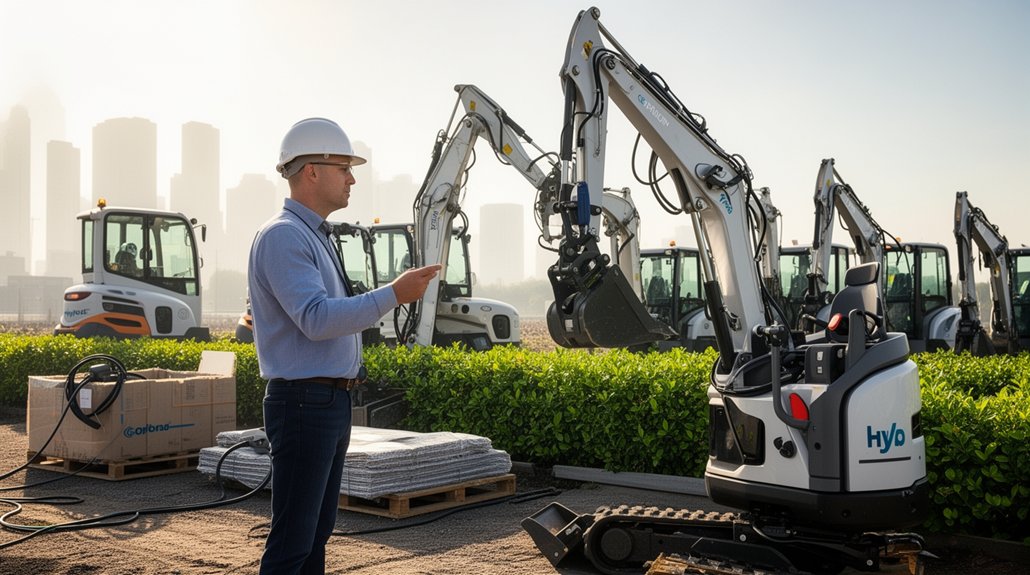
Choose low-emission plant to match your site access, workload and power options. Electric excavators suit quieter, zero-emission work in enclosed or urban areas.
While hybrid telehandlers offer flexible lifting with lower fuel use. Check each machine’s capacity and charging or refuelling needs before you hire.
Electric Excavators
Need to excavate in a city centre, indoors or near noise-sensitive neighbours? An electric excavator can help you work with less noise and no exhaust emissions at the point of use. That makes it a practical choice for basement renovations, enclosed sites and urban projects with strict air-quality limits.
Check the machine’s digging depth, reach and bucket capacity against your drawings before booking. Then estimate daily operating hours and charging access: electric efficiency depends on matching the excavator to the workload, while battery technology determines runtime and recharge needs.
Ask your hire provider about charging options, expected battery life and support on site. Plan charging around breaks or shift changes, and confirm the machine can reach your work area. You’ll reduce disruption without compromising excavation output.
Hybrid Telehandlers
For projects that need to lift and place materials at height, a hybrid telehandler can cut fuel use and noise compared with a conventional model. Hybrid telehandlers suit renovation sites where you need reach, lifting capacity and better control over emissions.
Their innovative technology combines electric power with a combustion engine, helping you reduce fuel consumption during lighter duties while retaining power for demanding lifts.
Before you hire, check the machine’s lift chart, working height and load capacity against your materials and access routes. Confirm whether the site has charging facilities and ask the hire company about runtime, refuelling and operator training.
On compact or noise-sensitive sites, electric operation can help you work with less disruption. Choose a hybrid when your project needs versatile lifting and lower emissions without sacrificing productivity.
What to Check Before Hiring Green Plant
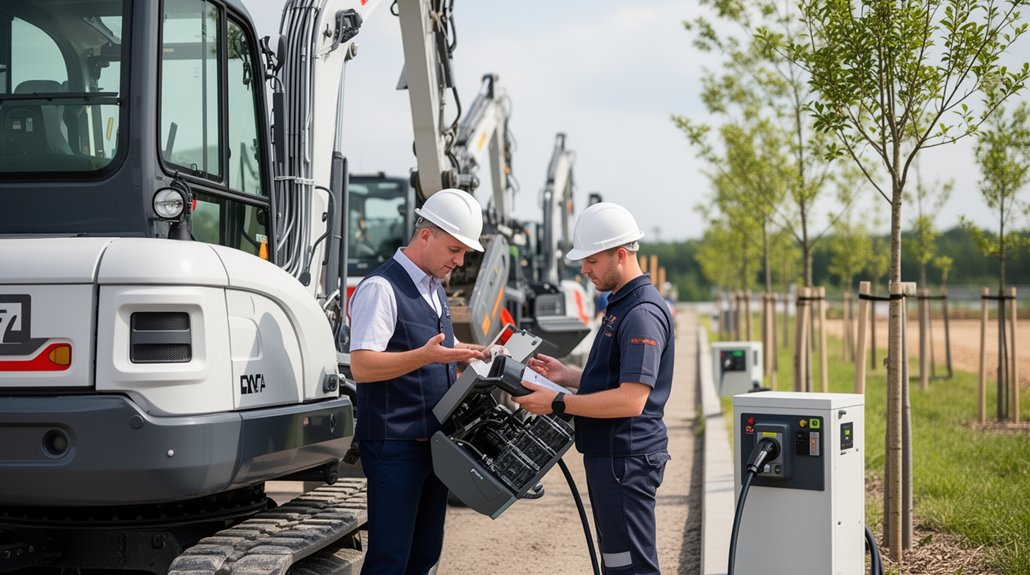
Before hiring green plant, check that the equipment suits your site, workload and access constraints. Confirm its dimensions, lifting capacity, ground pressure and turning radius against your plans, especially where extensions, tight side access or finished surfaces limit movement.
Ask the hire company for service records, operator guidance and details of available attachments. Check charging or refuelling arrangements, running time and whether your site can support them.
Clarify delivery, collection, breakdown cover and replacement times so delays don’t disrupt trades or inspections. Review the hire terms for damage, cleaning and return requirements.
If sustainability claims matter to your project, request evidence, including information on Sustainable materials and any Carbon offsetting.
Compare the full hire cost, not just the daily rate, and confirm the machine meets your safety and compliance requirements before booking.
How Does Eco-Friendly Plant Hire Cut Emissions?
Once you’ve checked that a machine suits your site, consider how its power source affects emissions. Electric and hybrid plant can reduce exhaust at the workface, while newer, fuel-efficient engines burn less diesel than older models.
Match the machine to the task: an oversized excavator wastes energy, and an undersized one may run longer under strain.
You can cut emissions further by planning deliveries, grouping work, and avoiding unnecessary idling. Ask your hire provider about battery capacity, charging requirements, and the machine’s real-world fuel or energy use.
Check green certification against recognised standards, rather than relying on broad environmental claims. Sustainable sourcing also matters: equipment built with responsibly sourced materials can reduce its wider environmental footprint.
Keep maintenance current, too; clean filters and well-serviced engines help plant operate efficiently throughout your renovation project.
Can Greener Plant Hire Reduce Project Costs?
Greener plant hire can trim your project costs beyond fuel savings. Efficient engines use less fuel, while newer, well-maintained equipment can reduce repair bills and downtime.
Compare hire rates alongside these running costs to see where you’ll save.
Lower Fuel Costs
Fuel-efficient plant can lower your project’s running costs by using less diesel to complete the same work. On a renovation site, that saving adds up across excavators, telehandlers and generators, especially when your programme runs for weeks.
Choose equipment sized for the task: an oversized machine burns fuel without improving output. Ask your hire provider for consumption figures and compare models against the work you’ve planned.
Modern hybrid or electric options may suit indoor work, where ventilation and noise also matter. Plan deliveries, machine movements and operating hours to avoid unnecessary idling; brief operators to switch off during pauses.
Check that Sustainable sourcing and Green certifications support your wider procurement goals, but judge savings by actual site use. Track fuel receipts against hours worked, then adjust your plant choices as the project progresses.
Reduced Maintenance Expenses
Well-maintained, newer plant can reduce repair callouts and downtime, helping you keep labour and programme costs under control. When you hire efficient, regularly serviced equipment, you’re less likely to lose a shift to a breakdown or pay for urgent repairs. That matters on renovation sites, where access windows are tight and one delayed trade can disrupt the sequence.
Ask your supplier for service records, inspection details and a clear breakdown of maintenance responsibilities before booking. Confirm who responds to faults and how quickly replacement equipment can arrive. These checks help you compare total hire costs, not just the daily rate.
Sustainable sourcing and Eco conscious procurement can support this approach: choose suppliers that maintain modern fleets and extend equipment life. You’ll reduce avoidable costs while keeping work moving safely and reliably.
How Can Low-Emission Plant Help Meet Regulations?
When your project falls within an emissions-controlled area, low-emission plant can help you meet local air-quality rules and site requirements. Check the conditions attached to your permit, contract and site access before choosing equipment. Your supplier can confirm whether electric, hybrid or newer low-emission machines suit the work and comply with applicable emission standards.
Plan charging points, cable routes and refuelling arrangements before delivery, especially on tight renovation sites. Confirm operating limits, noise restrictions and any required documentation with the site manager or local authority. Keep equipment records and supplier declarations available for inspections; this supports Regulatory compliance and helps prevent avoidable delays or restricted access.
Requirements vary by location and project, so don’t assume one machine meets every rule. Verify the latest conditions before mobilisation, then brief operators on approved equipment and site procedures.
How Do You Measure Plant Hire’s Environmental Impact?
To measure plant hire’s environmental impact, track fuel or electricity use, operating hours and emissions per machine across the job. Record delivery mileage, idle time and maintenance needs too; these affect your carbon footprint, especially on renovation sites with tight access and stop-start work.
Compare like-for-like machines doing the same task, then calculate emissions per hour or unit of work. Ask your hire provider for verified fuel data, equipment specifications and, where available, emissions reports. Don’t rely on “low-emission” labels alone.
Set baseline sustainability metrics before work starts, and review them weekly against project targets. If consumption rises, check operator habits, machine sizing and site logistics.
Use the findings to adjust schedules, reduce idling and choose cleaner equipment for the next phase. Keep records with project documentation to support reporting and procurement decisions.
Conclusion
Choose eco-friendly plant hire as you’d choose a well-built foundation: it supports every stage of your project. Low-emission machines can help you cut fuel use, control costs and meet environmental requirements without slowing the work. Track emissions and energy use, then adjust your fleet as the site changes. Each practical choice lays another green brick in the path to completion. Build that path deliberately, and your project can finish stronger, cleaner and ready for what comes next.


