 MartinShields
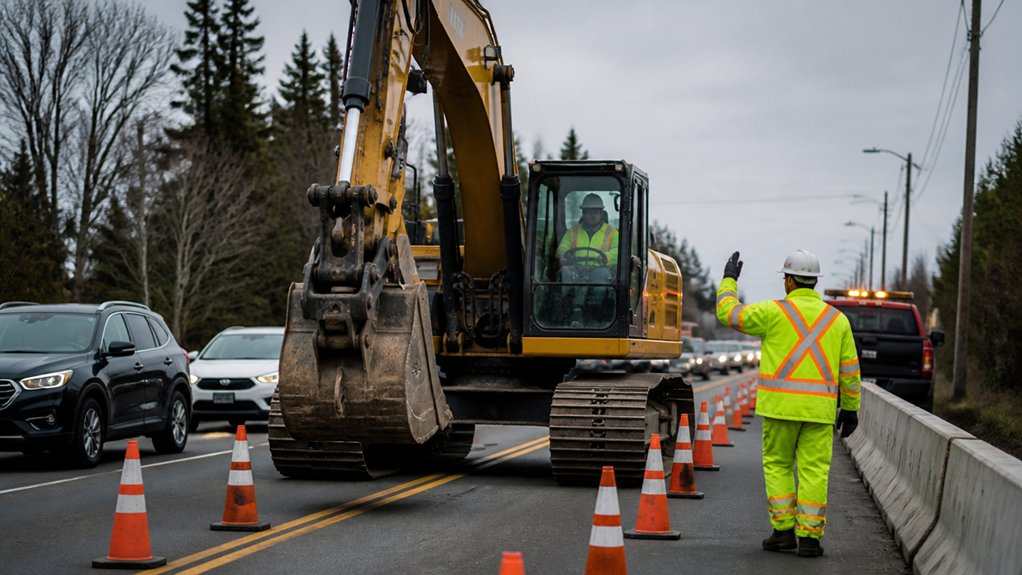
Moving heavy plant on a public road is like threading a steel needle: one missed clearance or poor hand signal can put everyone at risk. Before you set out, check local rules, secure permits and route approvals, and arrange escorts where required. Confirm that you’re trained, the machine is roadworthy, and its signs, lights, and safety gear meet regulations. Then plan how you’ll manage traffic and visibility—because the safest route may not be the one you expect.
Key Takeaways
- Check local road, police, and site rules; obtain required permits, escorts, closures, and travel-time approvals before moving plant.
- Verify the operator is trained, authorized, and licensed for the machine and public-road operation.
- Measure the machine’s loaded dimensions and weight; confirm route, bridge, and axle limits, and secure any required permits.
- Inspect brakes, steering, tyres or tracks, lights, mirrors, warning devices, and guards; repair defects before travel.
- Fit required signs, lights, and reflectors; follow the approved route, use escorts where required, and stop if conditions become unsafe.
Check Local Rules for Moving Heavy Plant
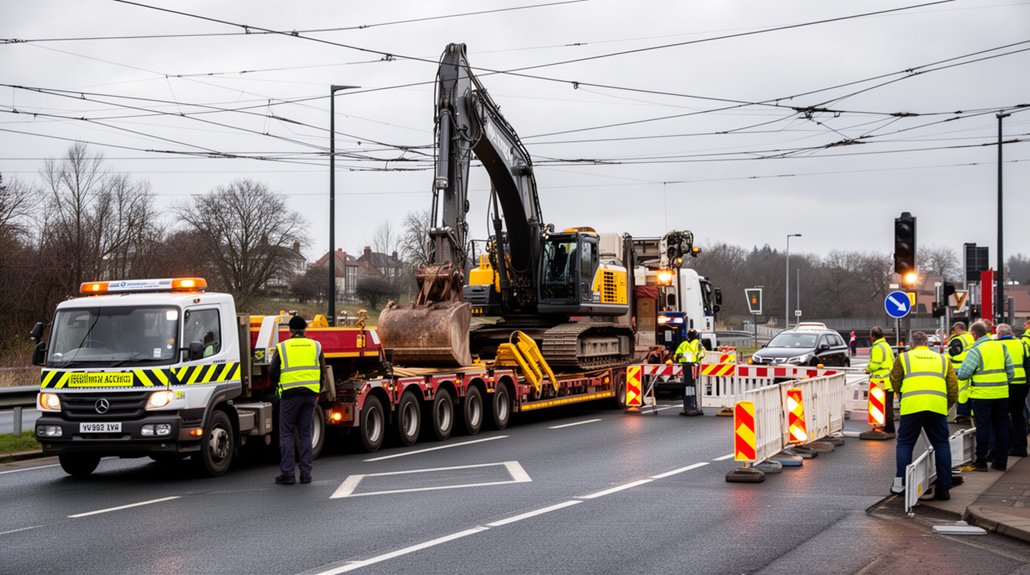
Before moving heavy plant, check the rules that apply at both the site and on the route. Requirements vary by Local jurisdiction, so contact the relevant road authority, police, and site manager before you plan a move.
Confirm whether you need a permit, escort vehicle, temporary road closure, or approved travel times.
Check restrictions on axle loads, vehicle dimensions, bridge capacity, and access roads; a route that looks suitable may still be prohibited.
Identify who must submit applications and how far in advance. Keep written approvals, route plans, and any required notices with your transport documents.
If your route crosses several jurisdictions, verify the rules in each one and follow the strictest applicable limits.
Recheck conditions before departure, since temporary restrictions can affect legal compliance and require a different route.
Check Operator Training and Machine Roadworthiness
Confirm that the operator is trained, competent, and authorised to move the specific machine on public roads. Check that their Operator certification covers the machine type and any required road-driving tasks, and verify that their licence and training records remain current. Don’t rely on experience alone; make sure they understand the controls, braking, visibility limits, and emergency procedures.
Before each journey, complete and record safety inspections. Check steering, brakes, tyres or tracks, lights, mirrors, warning devices, and fluid leaks. Confirm that guards and access steps are secure, and that the cab gives the operator a clear view. Fix defects before the machine enters the road; don’t let anyone operate equipment that fails inspection.
Keep maintenance and inspection records available, and report faults promptly. Recheck the machine after repairs or prolonged storage before authorising road use.
Check Plant Size, Weight, Permits, and Escorts
Once the machine passes its inspection, check that its dimensions and weight comply with road limits and route restrictions. Measure its full transport height, width, length, and loaded weight; account for attachments, fuel, and any trailer.
Compare these figures with bridge clearances, axle limits, road signs, and local authority requirements along your planned route. If the load exceeds standard limits, secure the required over-dimension or overweight permit before moving.
Confirm approved travel times, route conditions, and any restrictions on bridges or narrow roads. Arrange qualified escorts when regulations or the permit require them, and brief everyone on the route and stopping points.
Good Plant maintenance helps prevent leaks or breakdowns that could increase Environmental impact. Recheck measurements after loading, and keep permits and route approvals available during the journey.
Fit Required Signs, Lights, and Safety Gear
Fit and check all signs, lights, and safety gear required for the machine, load, route, and permit. Confirm requirements with the road authority and permit conditions before departure; rules vary by vehicle and jurisdiction.
Use approved warning signs, beacons, lamps, reflectors, and conspicuity markings where specified. Check that each item is securely mounted, clean, undamaged, and working, then replace faults before travel.
Follow prescribed Sign placement, size, wording, and visibility requirements. Attach signs to stable, unobstructed surfaces without covering registration plates, lamps, or machine controls.
Secure loose equipment and protect projecting parts with the required markers or covers. Ensure operators and escorts carry and wear mandated Safety gear, such as high-visibility clothing, helmets, and protective footwear.
Keep required documents and spare bulbs or batteries accessible, and record your pre-trip inspection.
Manage Traffic and Visibility on the Road
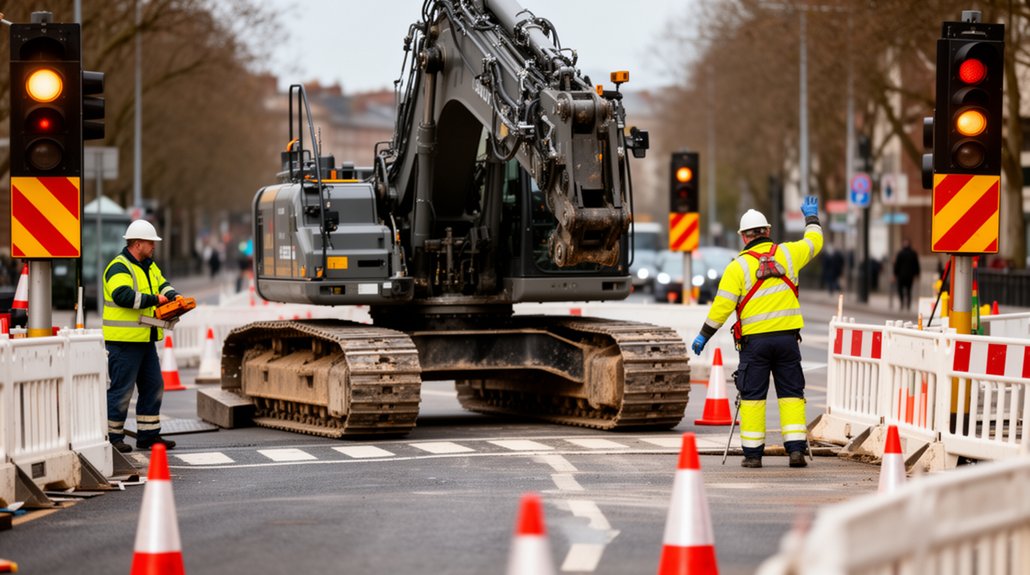
With signs and safety gear in place, plan how you’ll manage traffic and maintain visibility throughout the journey. Check your route for narrow lanes, low bridges, roadworks, and busy junctions before departure. Schedule travel to avoid peak periods where possible, and follow any permits, restrictions, or escort requirements.
Keep Traffic flow predictable by signalling early, maintaining safe gaps, and avoiding sudden stops. Use a trained banksman or escort when manoeuvring, reversing, or passing through constrained areas; agree clear communication signals beforehand.
For Visibility enhancement, keep windows, mirrors, lights, and warning beacons clean and unobstructed. Adjust mirrors before moving, and check blind spots frequently, especially around cyclists and pedestrians.
Reduce speed in poor weather or low light. If visibility or traffic conditions become unsafe, stop in a legal, secure place and reassess before continuing your journey.
Conclusion
Before moving heavy plant, check local rules, confirm your operator is qualified, inspect the machine, and secure required permits and escorts. Fit approved signs, lights, and safety gear, then follow your planned route and coordinate clearly with escorts. Even a short journey demands care: according to the U.S. Federal Highway Administration, about 25% of traffic fatalities occur at intersections, underscoring the need for visibility and controlled traffic flow. Don’t move until every safety check is complete.