 MartinShields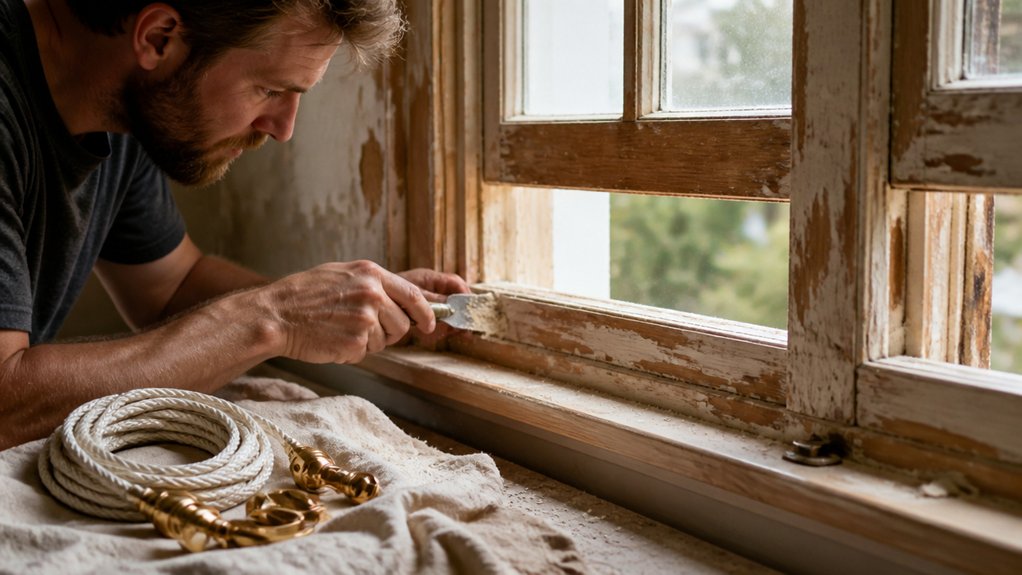
Repairing an original sash window can retain far more than its appearance: historic glass, timber and hardware all carry evidence of a building’s past. During renovation, you’ll need to distinguish repairable wear from serious damage and avoid replacing sound material unnecessarily. A careful inspection helps you plan sympathetic repairs, reduce draughts and restore smooth operation—but one common fault can undermine all three if you miss it.
Key Takeaways
- Inspect the sill, rails, joints, glazing, and lower sash corners for rot, cracks, loose connections, and gaps; photograph existing conditions.
- Repair damaged timber locally, cutting back to sound wood and fitting shaped splices that match the original profiles.
- Draught-proof with discreet brush seals and renewed beads, keeping drainage paths and moving parts clear.
- Preserve sound timber and historic glass; prepare and refinish with compatible, breathable coatings, and retain serviceable original hardware.
- Check cords, pulleys, and counterweights, then test both sashes through their full travel for smooth, balanced movement.
Inspect Original Sash Windows for Rot and Damage
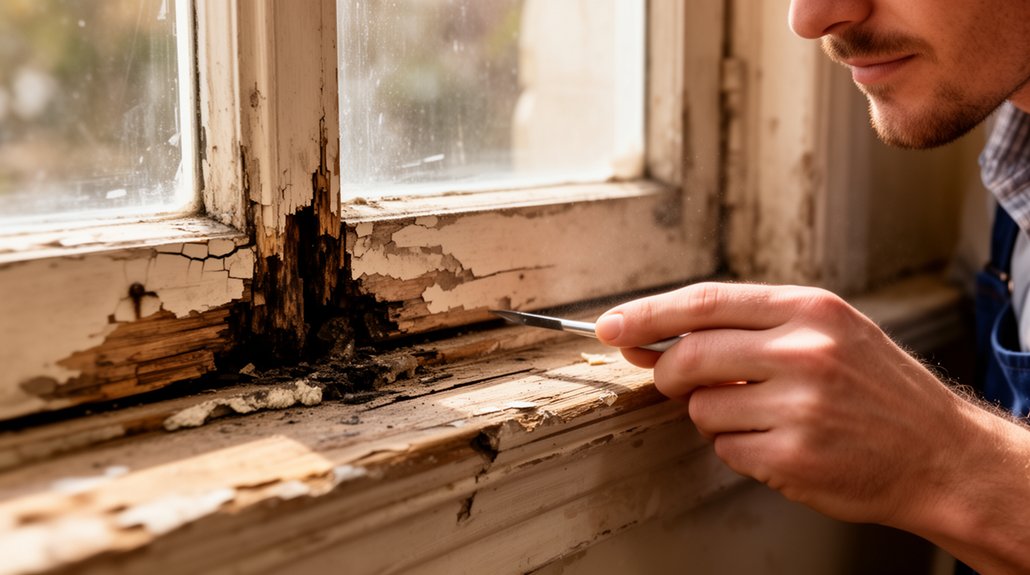
Before you begin repairs, inspect each sash window carefully for rot, cracks, loose joints, and damaged glazing. Check the bottom rails, meeting rails, sill, and lower sash corners, where moisture often collects.
Press suspect timber gently with an awl; soft or crumbling wood signals decay, while firm timber may need only cleaning.
Look for paint blistering, open joints, rusted fasteners, and gaps around panes.
Test each sash’s movement only if it’s safe, noting sticking or uneven travel without forcing it.
Photograph details and record locations so you can compare conditions and plan work accurately.
Distinguish original fabric from later additions before deciding what to retain.
Historical accuracy depends on understanding the window’s construction and alterations.
Careful assessment supports Material preservation, helping you protect sound historic timber and glazing during renovation.
Repair Sash Windows and Stop Draughts
Once you’ve assessed the damage, repair only what’s needed to keep original fabric intact. For small areas of decay, cut back to sound timber, apply a suitable consolidant, and fit a carefully shaped splice with compatible wood. Secure loose joints with traditional joinery and adhesive appropriate to the existing materials. Don’t replace a whole sash when a local repair will do.
Stop draughts by renewing worn parting beads and staff beads, then fit discreet brush seals in the channels. Check that meeting rails close evenly, and use a slim, reversible seal where gaps remain. Avoid sealing drainage paths or trapping moisture in the frame.
Prioritise Historical accuracy: match profiles, materials, and methods to the original window. Modern replacement parts can help when repair isn’t viable, but choose sympathetic components and retain sound historic fabric wherever possible.
Refinish Sash Windows and Balance the Sashes
After repairs and draught-proofing, refinish the sash windows and check that both sashes move smoothly and stay in position. Remove loose paint, protect the glass, and apply a compatible primer and finish coat.
For Wooden frame restoration, preserve sound timber and use breathable coatings that suit the building’s age. Don’t seal moving joints or paint over pulley wheels, cords, or staff beads.
Test each sash through its full travel. If one drops or rises by itself, inspect the cords, pulleys, and counterweights. Replace frayed cords and adjust or match weights so each sash balances without sticking.
Keep original hardware where it remains serviceable.
If glazing is damaged, use appropriate Glass replacement techniques and retain historic glass whenever possible. Refit beads carefully, then test both sashes again.
A sound finish and balanced movement protect character while making daily operation reliable.
Conclusion
Restore original sash windows with care, and you’ll preserve both their character and their value. Inspect each frame for rot, cracks, and loose joints; repair only what’s damaged, using compatible materials and traditional methods. Keep sound glass and hardware wherever possible, renew worn cords, and balance the sashes so they move smoothly. Refinish with a breathable, suitable coating, and seal draughts without trapping moisture. Remember, “a stitch in time saves nine”: regular checks prevent small faults becoming costly repairs.