 MartinShields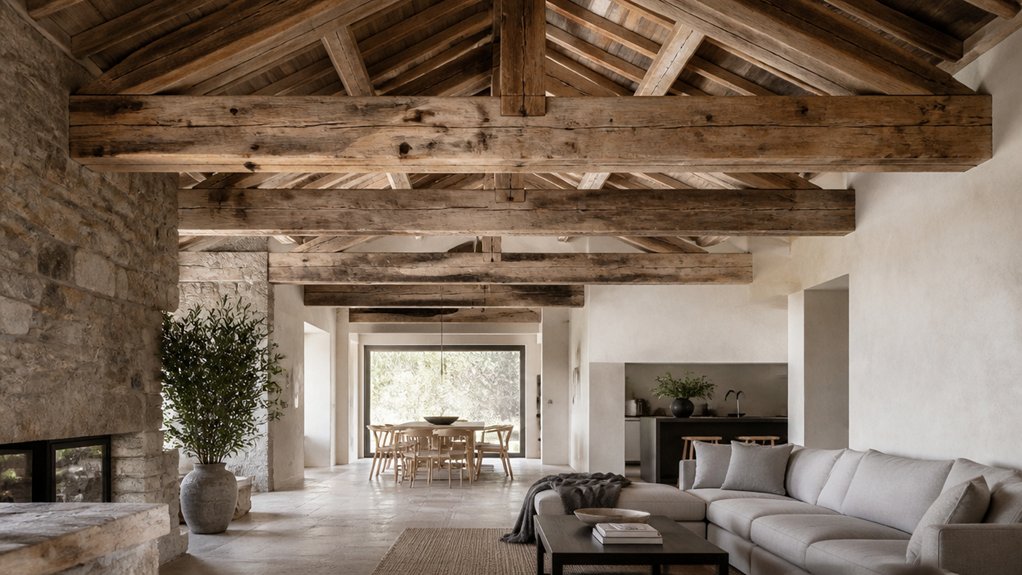
Reclaimed timber beams can come from buildings that are decades or even centuries old, but age alone doesn’t make them suitable for a new home. When you use them thoughtfully, they can add warmth, craftsmanship, and a clear sense of history while helping your project stand apart. Their value depends on more than appearance, though: placement, condition, sourcing, and installation all matter. Before you choose a beam, consider what it needs to deliver beyond character.
Key Takeaways
- Use reclaimed beams to frame fireplaces, define ceilings, highlight vaulted roofs, or distinguish kitchen and dining areas.
- Match beam size, tone, and finish to the room’s scale and style for a cohesive, balanced design.
- Showcase each beam’s grain, joinery, weathering, and documented history to add authenticity and buyer appeal.
- Emphasize reclaimed timber’s sustainability, durability, and craftsmanship to strengthen a property’s character and perceived value.
- Verify provenance and condition, then use qualified professionals for inspection, structural assessment, and code-compliant installation.
Choose Where Reclaimed Timber Beams Add Character

Reclaimed timber beams make the strongest impression where their texture and scale suit the room. Use them in a living room to frame a fireplace, define a ceiling, or draw attention to a vaulted roof. In kitchens, a single beam can anchor an island or mark the shift to a dining area.
Choose locations where the wood’s grain, joinery, and weathering remain visible; avoid crowded spaces where heavy timbers could feel imposing.
Before installation, check each beam for rot, insects, cracks, and embedded metal. Confirm that its dimensions suit the structure and that a qualified professional approves any load-bearing use.
You’ll support historical preservation by retaining original material and character, while reuse can reduce environmental impact compared with sourcing new timber.
Coordinate finish and lighting so the beams complement, rather than overpower, existing details.
Show How Reclaimed Beams Boost Buyer Appeal
When buyers notice reclaimed beams, they often see craftsmanship and character that standard finishes can’t replicate. You can strengthen that impression by documenting each beam’s origin, age, and former use. This historical significance gives buyers a tangible connection to the building’s past, while visible grain, tool marks, and patina signal material quality and careful design.
Explain the environmental benefits clearly: salvaging timber keeps usable wood out of landfills and reduces demand for newly harvested lumber. Provide sourcing details and, where available, records that support those claims. Buyers value evidence, not broad promises.
You’ll also make the feature easier to assess by showing that beams are sound, professionally inspected, and properly maintained. Pair clear photographs with concise listing notes, and describe how the reclaimed wood contributes to the property’s lasting appeal and perceived value.
Match Reclaimed Timber Beams to Each Space
Match beam scale to your room’s dimensions so the timber adds character without overwhelming the space.
Choose tones that complement your floors, walls, and furnishings.
Consider each room’s function when selecting beam placement and finish.
Match Beam Scale
Choose reclaimed timber beams in proportion to the room and the structure they’ll serve. In a compact space, oversized beams can overwhelm sightlines and make ceilings feel lower; slimmer members preserve openness while still adding definition.
In a large room with a high ceiling, substantial beams can anchor the volume and establish a clear rhythm overhead. Measure ceiling height, room width, and beam spacing before selecting dimensions.
If beams will carry loads, have a qualified structural engineer specify their size, condition, and connections; appearance alone can’t confirm capacity. For decorative installations, use lighter reclaimed sections where practical, and secure them to suitable framing.
Historical preservation may require matching existing proportions, while Sustainable sourcing supports reuse without compromising fit. Check access routes and installation clearances, too, so each beam can be delivered and placed safely.
Choose Complementary Tones
How should reclaimed timber beams relate to the room’s existing palette? Start by comparing the wood’s undertones with your walls, flooring, and fixed finishes. Honey or amber beams complement warm whites, terracotta, and brass; cooler, weathered gray timber sits comfortably beside slate, muted blues, and brushed steel.
For a cohesive scheme, repeat a beam’s tone in smaller details, such as shelving or picture frames, rather than matching every surface.
Use Color contrast deliberately. Dark beams can define a pale ceiling, while lighter timber can soften a deep-colored room. Check samples in the actual space, since daylight and artificial lighting can shift perceived color.
Aim for material harmony, not uniformity: let grain, knots, and patina provide variation while nearby finishes support the timber’s character. A restrained palette keeps the beams distinctive without making them feel disconnected.
Consider Room Function
Let each room’s purpose guide the beams’ scale, placement, and finish. In a living room, substantial reclaimed beams can frame a ceiling or define a seating zone, adding warmth without crowding the space.
In kitchens, choose beams with a durable finish that resists grease and moisture; position them clear of cooking equipment and ventilation routes.
For bedrooms, slimmer beams or Decorative accents can create texture while preserving a calm, uncluttered feel.
In hallways, use restrained profiles so low ceilings don’t feel oppressive.
Before installation, confirm whether a beam is structural or purely decorative. Don’t assume reclaimed timber can carry loads: have a qualified professional assess its condition, dimensions, and connections to protect Structural integrity.
Match the finish to cleaning needs, exposure, and the room’s daily use, then specify secure fixings.
Assess Beam Safety, Quality, and Cost
Before you buy reclaimed timber beams, verify that they’re structurally sound, properly graded, and free of hazards such as lead paint, rot, or active insect damage. Ask for a qualified professional’s assessment, especially if you’ll use beams as load-bearing elements.
Check for deep splits, excessive warping, weakened ends, and concealed metal that could damage tools or complicate installation. Confirm dimensions, moisture content, and any treatment history; these details affect fit, finish, and performance.
Compare the total cost, not just the price per beam. Include inspection, cleaning, treatment, transport, cutting, and installation. Older timbers may need specialist handling, but their character can support Historical preservation and reduce Environmental impact when they replace new materials.
Set a contingency for repairs, and reject any beam whose defects or uncertain grading outweigh its value.
Source Reclaimed Beams Responsibly
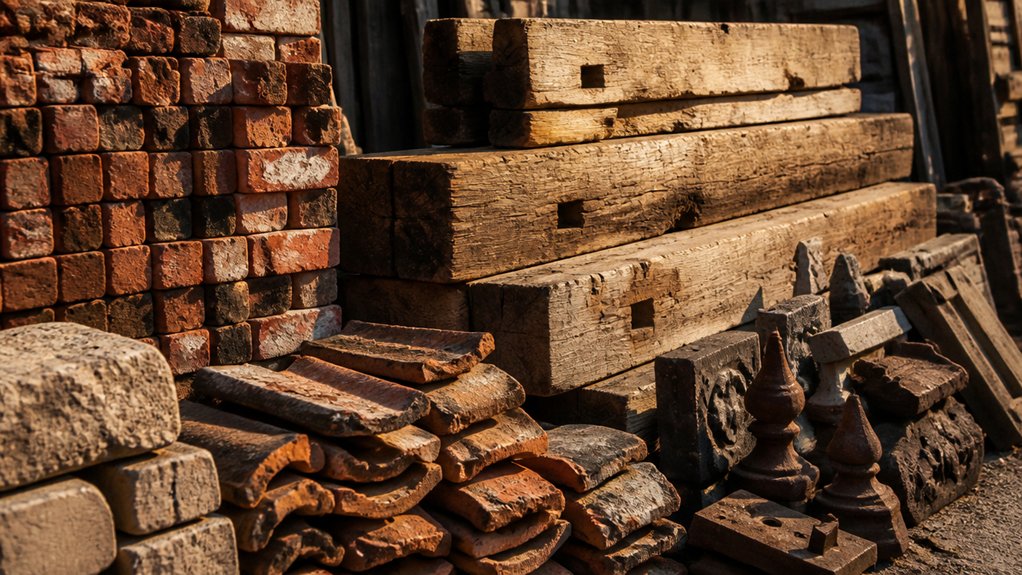
Choose suppliers who can document where each beam came from and how it was recovered. Ask for records identifying the original building, region, and dismantling method. This evidence supports Historical authenticity and helps you verify that the timber wasn’t taken from protected structures or harvested under misleading claims.
Check whether the supplier follows responsible salvage practices, including careful deconstruction, lawful transport, and transparent chain-of-custody records. Request details about any treatments, coatings, or contaminants identified during processing, and confirm that the seller discloses uncertainties rather than promising unsupported provenance.
Consider Environmental impact across the supply chain. Choose locally sourced beams when practical to reduce transport emissions, and favor vendors who reuse offcuts and minimize waste. Compare documentation across suppliers, then retain invoices and provenance records for project files. Clear sourcing protects your investment and strengthens the credibility of your development.
Install Reclaimed Timber Beams to Last

With provenance documented, focus on installing each reclaimed beam to suit its condition and structural role. Have a qualified engineer assess its species, dimensions, defects, and load capacity before you specify it. Don’t assume an old beam can carry the loads of a new one; design suitable supports and connections, and verify compliance with local codes.
Check moisture content and inspect for insects, rot, and hidden metal. Remove contamination safely, then acclimate the timber to indoor conditions to reduce movement after installation. Use compatible fixings and avoid trapping moisture against masonry.
Where a beam is decorative, secure it independently rather than relying on it for structural support.
Careful detailing supports Historical preservation while meeting modern safety needs. Document treatments and fixings, and maintain access for future inspection. Sustainable sourcing delivers lasting value only when installation protects the wood and building.
Conclusion
When you choose reclaimed timber beams, you’re investing in more than a striking feature: you’re giving a property a story buyers can feel. Place each beam where its character can shine, then verify its condition, source, and installation before it takes pride of place. Those checks help old wood begin a new chapter safely and beautifully. With thoughtful selection, you’ll add warmth, craftsmanship, and lasting appeal—while making a practical, sustainable choice that sets your development apart.