 MartinShields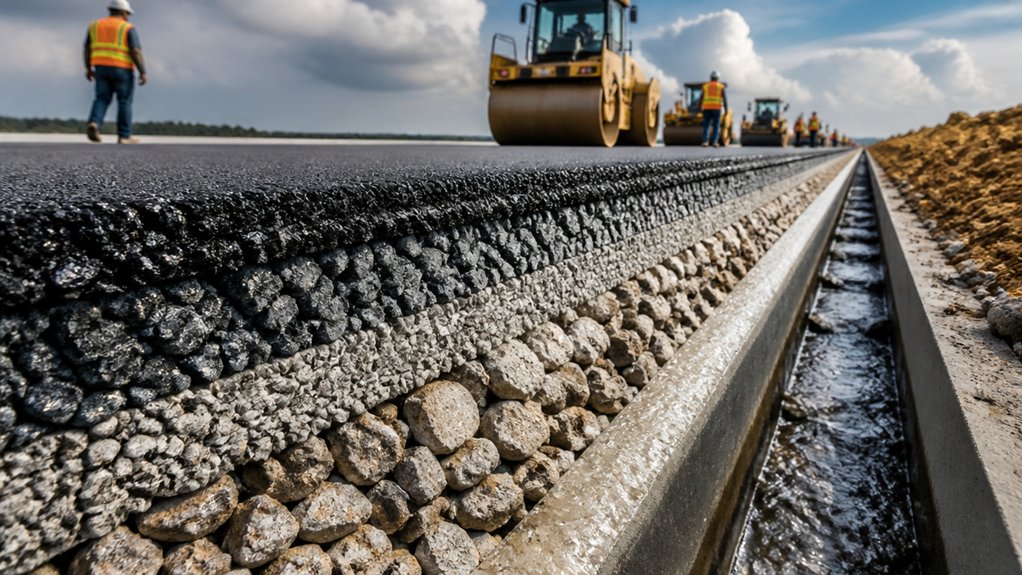
In construction, aggregate is the quiet framework that carries the load. When you choose the right blend of stone, gravel, or sand, you can improve concrete and asphalt strength, support drainage, and limit premature wear. Size, shape, grading, and surface texture all affect how particles pack and bond. But the best aggregate for one application may undermine another—so knowing what to specify is where performance begins.
Key Takeaways
- Well-graded aggregate packs tightly, reducing voids and binder demand while improving concrete and pavement strength.
- Strong, clean, angular particles resist crushing and provide interlock, boosting stability and durability under traffic and structural loads.
- Open-graded aggregate creates connected voids that improve drainage and reduce pooling and soil saturation.
- Matching aggregate size, shape, and quality to project loads and exposure conditions helps prevent cracking, wear, and premature failure.
- Testing aggregate and using verified local or recycled sources supports consistent performance, sustainability, and lower maintenance needs.
What Aggregate Is and Where It’s Used
Aggregate is the granular material—such as sand, gravel, or crushed stone—that gives concrete and asphalt bulk, strength, and stability. You’ll encounter aggregate in foundations, roads, drainage layers, retaining walls, and utility trenches.
In concrete, it combines with cement and water to form a durable building material; in asphalt, it provides the mineral framework beneath the binder. Contractors also use loose aggregate for paths, backfill, and site preparation.
You can select natural material from pits and quarries or reclaimed material processed from demolished concrete and asphalt. Effective Recycling methods reduce landfill waste and conserve virgin resources, while eco friendly sourcing helps limit transport impacts and protect local habitats.
Check project specifications, supplier documentation, and applicable standards before ordering. Match the material to its intended use, required quantity, and delivery schedule to keep construction work efficient and compliant.
Why Aggregate Size and Shape Matter
When you choose aggregate, particle size affects how tightly the material packs and how much binder the mix needs.
Shape influences workability and particle interlock, while strength determines how well the aggregate resists crushing under load.
Check all three against your project’s mix design and performance requirements.
Particle Size
Particle size and shape determine how aggregate packs, bonds, and performs in concrete and other construction materials. When you select aggregate, match its size to the application, placement method, and required finish.
Coarse particles form the load-bearing skeleton in concrete, while fine particles fill gaps and improve cohesion. A balanced particle grading reduces voids, limits excess paste demand, and supports consistent workability.
If particles vary too widely or the blend lacks fines, you may see segregation, poor compaction, or a rough surface. Check the specified size range and confirm the material suits your equipment and layer thickness.
Mineral composition also matters: different minerals can affect durability and compatibility with cement.
For drainage layers, use a controlled size range that leaves connected spaces for water flow without compromising stability.
Shape and Strength
Because aggregate shape affects how particles interlock, it influences strength, workability, and compaction. When you choose angular, crushed stone, you create more contact points and stronger bonds in concrete and pavement. Rounded particles flow and compact more easily, but they may provide less interlock. Balance shape with the mix’s purpose: angular aggregate can improve stability, while rounded material can reduce water demand and ease placement.
Size matters, too. Well-graded particles fill gaps between larger pieces, limiting voids and helping you achieve dense, durable construction. Oversized aggregate can hinder placement around reinforcement; excessively small particles may increase binder demand. Check specifications and trial mixes before selecting materials.
Surface texture also affects bonding: rough particles grip cement paste better than smooth ones. Consider environmental impact by sourcing suitable local aggregate, reducing transport emissions without compromising performance.
How Aggregate Affects Concrete and Asphalt Strength
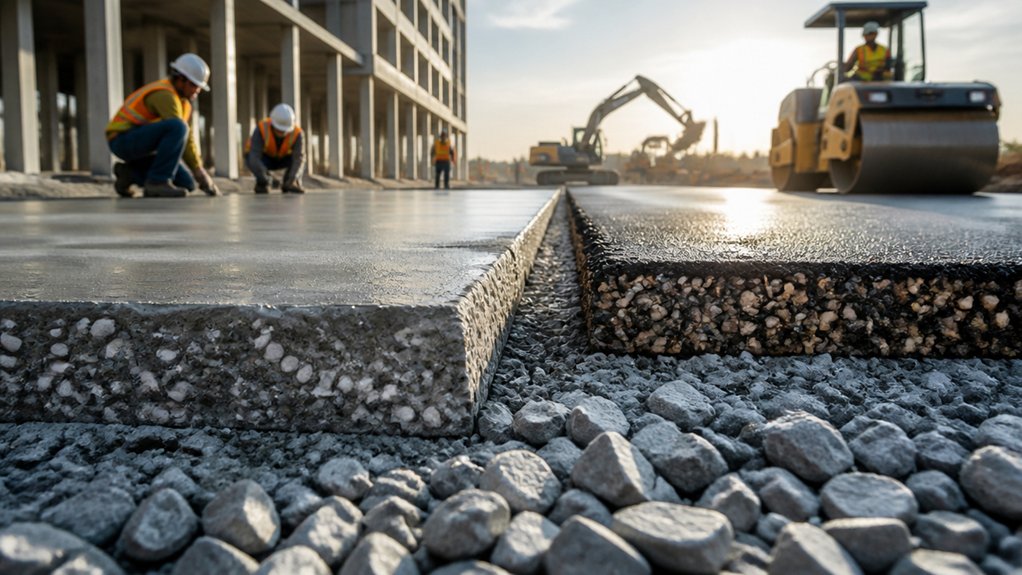
Aggregate forms the load-bearing skeleton of concrete and asphalt, so its strength, shape, size, and surface texture directly affect how well each material performs.
In concrete, strong, clean aggregate helps you resist crushing and limit shrinkage. Well-graded particles pack tightly, reducing the paste needed to bind them and helping you achieve consistent strength.
In asphalt, angular, rough-textured aggregate interlocks with the binder, improving stability under traffic and resisting rutting. Match aggregate size and quality to the mix design and expected loads; weak or contaminated particles can cause premature cracking, surface wear, or structural failure.
You can also consider recycled aggregate when specifications allow. Evaluate its consistency and durability before use, since its recycling potential may reduce environmental impact while still meeting the performance requirements of your project.
How Aggregate Supports Drainage
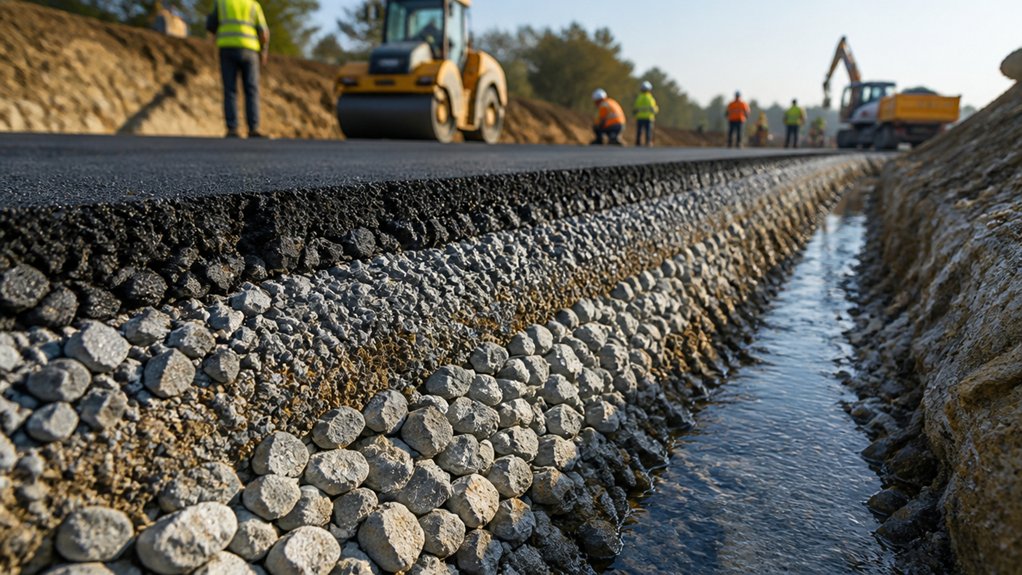
When water needs a path to escape, properly graded aggregate helps prevent pooling and soil saturation. You can use open-graded stone to create connected voids that let water move through a layer and toward a drain or outlet. This water permeability reduces hydrostatic pressure and helps protect foundations, pavement, and other structures from water-related damage.
Choose particle sizes and layer thicknesses to support steady flow without allowing surrounding soil to clog the voids. A suitable filter layer or geotextile can separate fine soil from the drainage aggregate while preserving water movement.
You’ll also gain soil stabilization: well-compacted aggregate distributes loads and limits erosion as water passes through. Keep outlets clear, and check drainage layers for sediment buildup. Proper placement and maintenance help your system drain reliably over time, even under repeated traffic and changing weather conditions.
Where Different Aggregates Work Best
Choose gravel when you need a permeable base for paths, drainage beds, or light-duty driveways.
Use crushed stone for compacted road bases, concrete, and other applications that need angular pieces to lock together.
Match aggregate size and gradation to the load, drainage, and finish your project requires.
Best Uses for Gravel
Where will gravel perform best? Choose it where you need reliable drainage, a stable surface, and straightforward installation.
For paths and patios, compact well-graded gravel to create a firm, walkable base; use a finer top layer for comfortable footing.
Around foundations and drainage trenches, clean, open-graded gravel lets water move freely and helps reduce pooling.
You can also use gravel for driveways, provided you select angular, compactable material and prepare a stable subgrade.
Match the aggregate to the job: particle size, shape, and fines affect drainage and firmness.
Check local availability, since transport can influence cost considerations.
Consider environmental impact, too: sourcing nearby material and controlling runoff can reduce project burdens.
Install edge restraints where needed, and maintain the surface by replenishing displaced gravel and correcting ruts before they deepen.
Crushed Stone Applications
Crushed stone suits projects that need interlocking particles and a firm, durable base. Choose angular, well-graded stone for driveways, road bases, and building foundations; its varied sizes compact tightly and resist shifting under loads.
For drainage trenches and retaining walls, use clean, coarse stone with fewer fines so water can pass through while the aggregate supports surrounding soil.
Smaller crushed stone works well beneath patios, sidewalks, and concrete slabs, where a compacted layer helps limit settlement.
Match stone size to the application, and follow project specifications for depth and compaction.
You can also consider recycled materials, such as crushed concrete, for suitable base layers.
Ask your supplier about eco-friendly options and verify that the material meets required strength, drainage, and gradation standards before installation.
How Aggregate Quality Affects Durability
Aggregate quality directly affects how well concrete and asphalt resist wear, weather, and repeated loads. When you select materials, check aggregate composition, including particle size, shape, hardness, and mineral content. Clean, durable particles bond reliably with cement or binder; weak, porous, or contaminated aggregate can cause cracking, stripping, and premature surface failure.
Match the material to your project’s exposure. Freeze-thaw conditions require low-absorption aggregate, while traffic-heavy pavement needs particles that resist abrasion and crushing. Consistent grading helps you achieve proper compaction and reduces voids that let water penetrate.
Verify supplier test results for strength, soundness, and absorption, and reject loads that don’t meet specifications.
You’ll also improve service life and reduce repairs by considering environmental impact. Choose suitable local sources when possible, but never trade verified performance for shorter hauling distances.
Conclusion
Choose aggregate to match the demands of your project: particle size, shape, cleanliness, and grading all affect strength, drainage, and service life. For example, if you’re building a parking lot on wet soil, a well-graded, angular base can interlock under traffic while allowing water to drain. Verify material quality and placement rather than relying on appearance alone. When you specify and compact the right aggregate, you’ll build a more stable structure and reduce future maintenance.