 MartinShields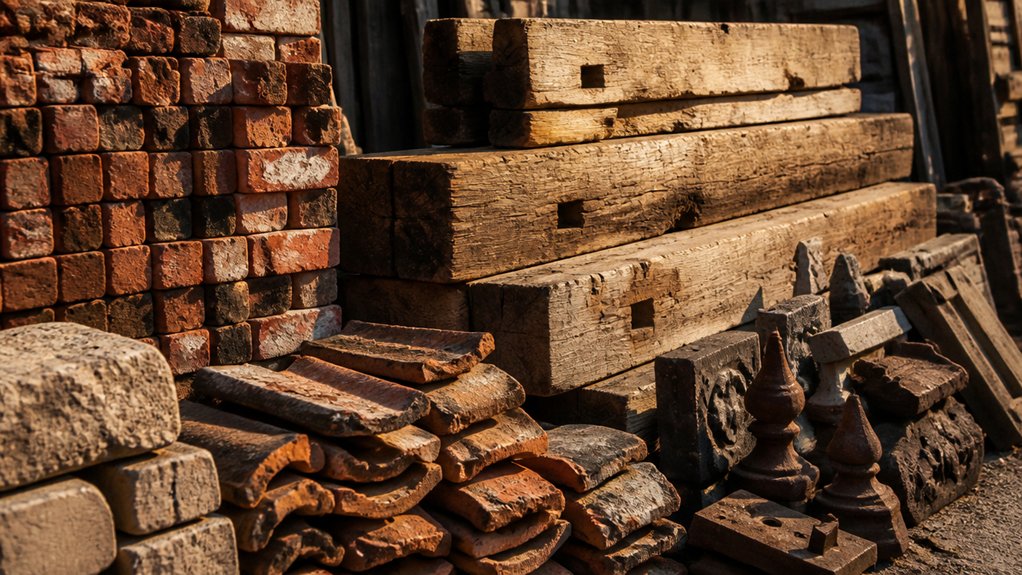
Reclaimed materials can give your project lasting character while reducing demand for new resources, but the right choice depends on condition, fit, and intended use. You might choose Victorian bricks for a path, antique beams for an interior, or reclaimed stone for a fireplace or garden feature. Before you buy, check for damage, measure carefully, and assess whether the material suits your plans. A few key details can help you avoid costly mistakes.
Key Takeaways
- Choose reclaimed materials based on project needs, checking condition, dimensions, strength, finish, and building-code requirements.
- Use sound, frost-resistant Victorian bricks for walls and paths, with stable, well-drained bases and careful cleaning.
- Select antique beams and reclaimed timber only after checking for rot, pests, splits, embedded nails, and chemical treatments.
- Match reclaimed stone’s thickness, stability, and durability to its use in floors, fireplaces, steps, or garden paths.
- Ask about material history and sourcing, budget for preparation and transport, and keep samples and alternatives because supplies vary.
Choosing Reclaimed Materials: Condition and Fit

Before you buy reclaimed materials, check both their condition and their suitability for the job. Look for cracks, rot, corrosion, insect damage, and signs of previous repairs. Ask the supplier about the material’s history, storage, and any treatments applied. If you’re unsure, have a qualified professional assess structural items before installation.
Next, match each piece to its intended use. Confirm dimensions, strength, finish, and compatibility with current building codes and neighboring materials. Reclaimed stock often varies, so measure carefully and allow for waste or replacement pieces.
Factor in cleaning, preparation, transport, and installation costs when comparing prices.
Reusing sound materials can deliver sustainability benefits by reducing waste and demand for new resources. Yet sourcing challenges, including inconsistent supply and uncertain specifications, require flexibility.
Choose a reliable supplier and keep a suitable alternative in mind.
Victorian Reclaimed Bricks for Walls and Paths
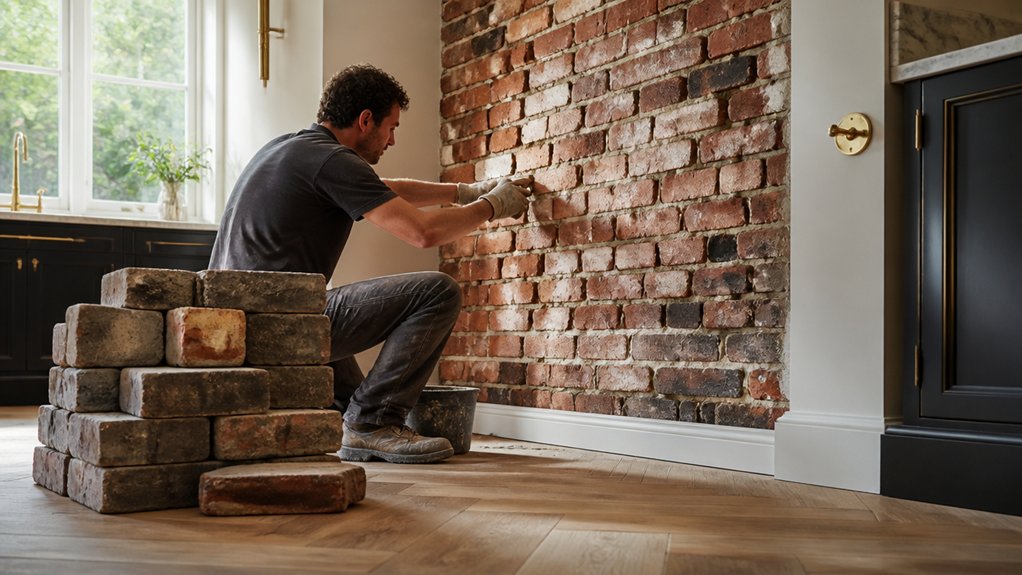
Victorian reclaimed bricks can bring character to walls and paths, but their age and varied dimensions call for careful selection. Check each batch for cracks, crumbling faces, and traces of mortar, then confirm the quantity and dimensions before you plan your layout.
For walls, use bricks suited to the intended exposure and have a qualified professional assess structural requirements.
For paths, choose sound, frost-resistant bricks and lay them on a stable, well-drained base to limit movement.
Effective Restoration techniques include gently cleaning bricks with a stiff brush and water, removing mortar without damaging edges, and testing a small area before using stronger methods.
Blend sizes and shades deliberately for a balanced finish.
Reusing sound bricks offers Environmental benefits by reducing demand for new materials and keeping usable masonry out of landfill.
Check local requirements before installation.
Antique Beams and Reclaimed Timber for Interiors
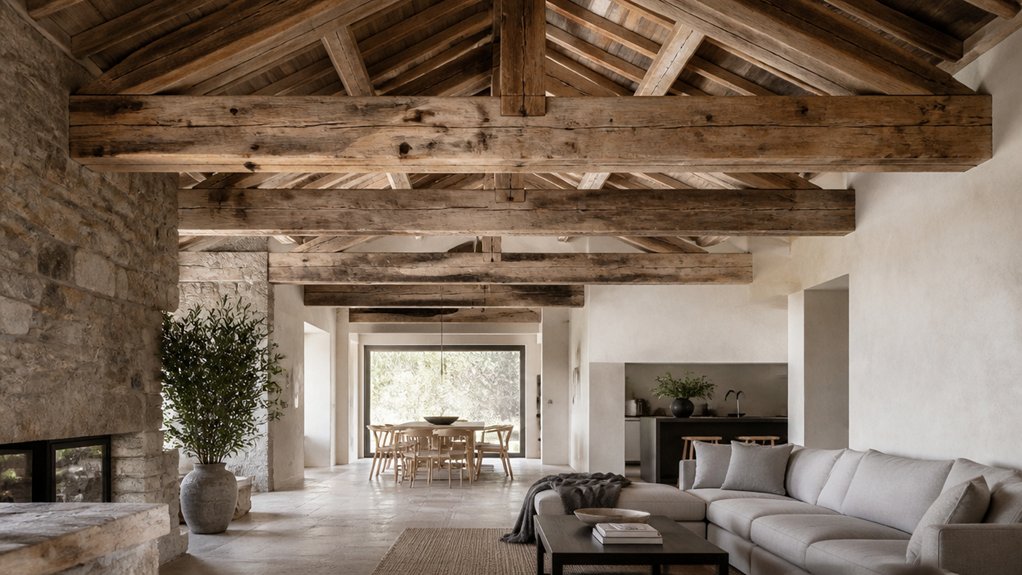
Antique beams and reclaimed timber add warmth and history to interiors, but their age and past use demand careful inspection. Before you buy, check for rot, insect damage, splits, embedded nails, and chemical treatments. Ask your supplier about the timber’s origin and sustainable sourcing, especially if you need documented provenance or certification.
Match each piece to its intended use. Structural beams require assessment by a qualified professional; decorative mantels and ceiling details still need secure fixing. Confirm dimensions, moisture content, and load requirements before installation, and allow timber to acclimate indoors to limit movement.
Choose preservation techniques that suit the finish you want. Dry-brush or lightly sand surfaces to retain patina, then apply a compatible, low-VOC sealant where protection is needed. Avoid aggressive planing, which can erase tool marks and character.
Keep reclaimed wood away from persistent dampness and heat sources.
Reclaimed Stone for Floors, Fireplaces, and Gardens
Reclaimed stone brings proven durability and natural variation to floors, fireplaces, and gardens, but its condition and suitability depend on its source and previous use. Before buying, ask your supplier where the stone came from and how it was stored. Check for cracks, salt damage, and uneven wear, then confirm thickness and dimensions suit your project.
For flooring, choose pieces with a stable surface and plan for careful fitting; irregular sizes may require more cutting and labor. Around fireplaces, verify that the stone can handle heat and meets local safety requirements.
In gardens, use robust slabs for paths, steps, or edging, and account for drainage and frost exposure.
Prioritize sustainable sourcing and ask about restoration techniques, such as gentle cleaning and compatible repairs. A sample helps you assess color, texture, and finish before installation.
Conclusion
Choosing reclaimed materials isn’t just a design decision; it’s a way to give useful history a second life. Inspect each piece for condition, suitability, and safety, then match its character to your project. Use Victorian bricks for textured walls and paths, antique beams to bring warmth indoors, and reclaimed stone for durable floors, fireplaces, or garden features. Work with a reputable supplier, and you’ll build with confidence—creating spaces that feel distinctive while making more thoughtful use of existing resources.