 MartinShields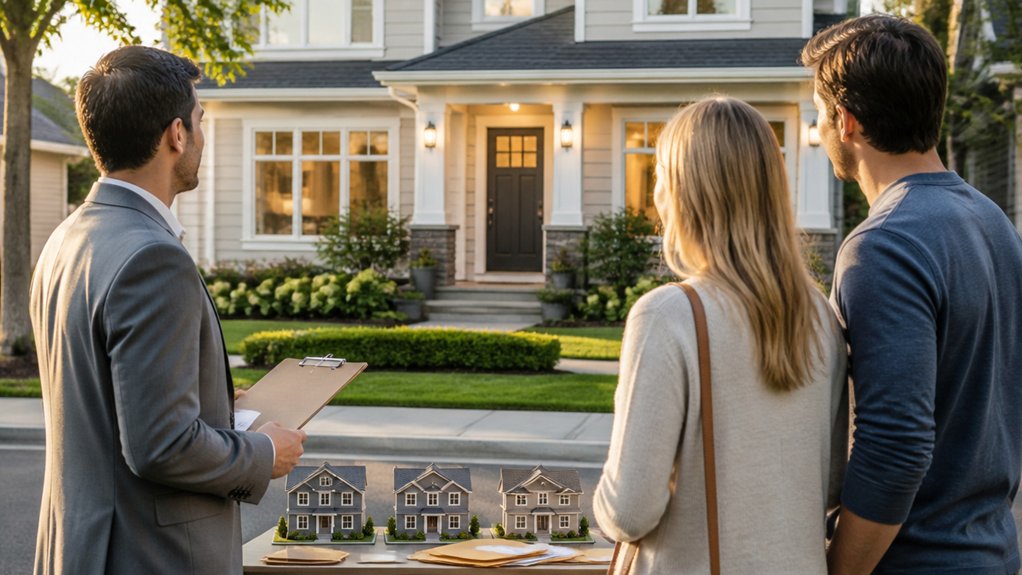
A well-presented, recently renovated home can attract plenty of viewings, but that doesn’t always translate into offers. You’ll often see one offer for every 10 to 15 viewings, though local demand, property type, and asking price can shift that range. Compare your results with similar nearby sales before changing your strategy. If your conversion rate is lagging, the cause may be less obvious than the price.
Key Takeaways
- A practical benchmark is 10–15 viewings per offer, but the current ratio varies by local market and property.
- Compare recent viewing and offer figures for similar homes by location, size, condition, style, and price.
- City properties may attract offers after fewer viewings, while rural homes often need more.
- If viewings are steady but offers aren’t coming after several weeks, review buyer feedback, presentation, and pricing.
- Ask local agents for current comparable data, and account for competing homes’ upgrades and renovation needs.
What Is a Typical Viewings-to-Offers Ratio?
A typical property attracts an offer after about 10 to 15 viewings, though location, asking price, condition, and presentation can shift that figure. Treat this range as a practical benchmark, not a guarantee.
If your home draws plenty of visitors but no offers, review the feedback and look for fixable issues. Fresh paint, repaired fittings, brighter lighting, and a deep clean can help buyers see the property’s potential without a major renovation budget.
Compare similar homes and current Market trends before adjusting your asking price. Effective Pricing strategies balance buyer expectations with your property’s condition and recent improvements.
Track viewings, repeat visits, and comments weekly. If interest remains weak, refine the listing, improve key rooms, or reconsider the price. A clear response to evidence can move you closer to a credible offer.
Why Does the Ratio Vary by Location and Property Type?
That 10-to-15-viewing benchmark can shift sharply with location and property type. In a fast-moving city, limited supply and strong buyer behavior may produce offers after only a few viewings. In a slower rural market, buyers may take longer to assess access, services, and renovation costs.
Property type matters, too: a move-in-ready flat can attract more immediate interest than a dated house requiring major work.
Your renovation choices can narrow that gap. Fix safety issues, address damp, and make essential systems reliable before spending on cosmetic upgrades. For a period home, preserve features buyers value; for a small flat, prioritize usable storage and light.
Market fluctuation also affects timing: seasonal demand, mortgage rates, and local employment can alter viewing volume and offer readiness. Consider these factors when interpreting your results, not as a fixed rule.
How Does Your Ratio Compare With Similar Local Homes?
To judge your viewing-to-offer ratio fairly, compare it with recent sales of similar homes in your area—not with a national benchmark. Look at properties with comparable size, layout, condition, and asking price, then check how many viewings they needed before receiving offers. Local agents can provide this context, along with details about homes that attracted strong interest.
Market trends and buyer behavior can shift quickly, so compare sales from a recent, relevant period. Note whether competing homes had updated kitchens, efficient heating, or other renovations that yours lacks. These details help explain differences in viewing quality and offer rates.
If your home needs work, assess whether its price reflects the likely renovation costs and whether its presentation clearly shows its potential. Use like-for-like evidence to understand how buyers assess your property against nearby alternatives.
When Should You Review Your Price or Marketing?
Review your price or marketing when viewings aren’t turning into offers, especially if similar local homes are attracting buyers. After several weeks of steady traffic without serious interest, ask your agent to compare your viewing-to-offer ratio with nearby listings. If your home lags, inspect the price, presentation, and condition before making changes.
Walk through the property as a buyer would. Repair visible defects, refresh worn paint, improve lighting, and clear clutter so renovated features stand out. If the layout feels hard to imagine furnished, consider virtual staging. Update photos and listing copy to highlight practical upgrades, energy improvements, and usable space.
Then test stronger open house strategies, such as better scheduling and targeted promotion. Track attendance, feedback, and follow-up inquiries for two weeks. If response remains weak, adjust your asking price using current comparable sales, not renovation costs alone.
Conclusion
A typical benchmark is 10 to 15 viewings per offer, but your local market may tell a different story. Compare your results with similar homes, then review your price, presentation, and recent renovations. If buyers keep viewing but don’t offer, more viewings may be the last thing you need. Improve what they see, sharpen your asking price, and make every visit count. After all, the best renovation is often the one that helps buyers say yes—not just book another viewing.