 MartinShields
A renovation site can shift from a quiet shell to a busy work zone in a day, and the right plant equipment helps you keep the job moving. But buying machinery can tie up capital long after the project ends. In 2025, renting may give you better control over costs, maintenance, and changing schedules. The smarter choice depends on more than the hire rate.
Key Takeaways
- Renting avoids large upfront purchases, preserving cash for labour, materials, and other project costs.
- For short-term or occasional work, hire fees can cost less than ownership, including storage, insurance, servicing, repairs, and depreciation.
- Renting provides access to equipment suited to each project without committing to machinery that may sit unused.
- Predictable rental charges and flexible hire periods help manage budgets when project schedules or equipment needs change.
- Buying may make more financial sense when the same equipment is used regularly across multiple projects.
Renting vs. Buying Plant Equipment: Which Fits?
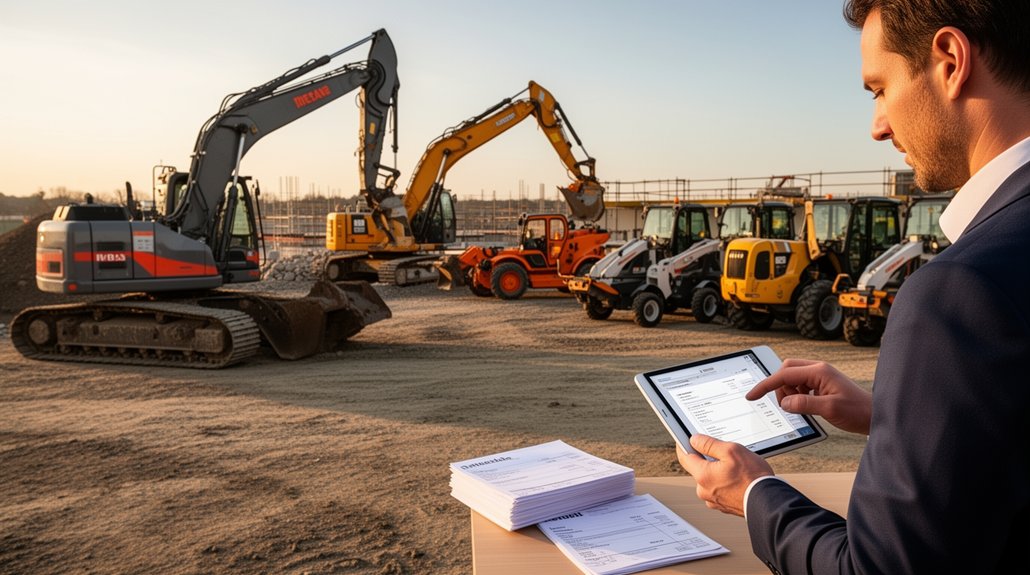
Choosing whether to rent or buy plant equipment depends on how often you’ll use it, your budget, and the demands of each renovation project.
For a one-off extension or a short landscaping job, renting gives you access to the right excavator, lift, or compactor without tying up capital in machinery you’ll rarely use. You can also select equipment suited to each site and return it when the work’s done.
Buying may fit if you run projects continuously and need the same machine readily available.
But ownership brings storage, servicing, and equipment maintenance responsibilities, even when the equipment sits idle.
Before renting, check rental insurance requirements and confirm who covers damage or theft.
Match your choice to your workload, site conditions, and ability to manage equipment safely; flexibility matters when renovation plans change.
How Do Plant Equipment Rental Costs Compare?
Rental costs are usually easier to budget for short renovation jobs because you pay for equipment only when you need it. Compare the hire quote with the full cost of owning the machine, not just its purchase price. Ownership also brings delivery, storage, servicing, insurance, and repair costs.
Maintenance expenses can rise when equipment works hard on dusty demolition or uneven ground, while equipment depreciation reduces its resale value over time.
Before you book, check the rental period, minimum charge, delivery fees, fuel requirements, and late-return penalties. Match the machine’s capacity to your renovation task; an oversized excavator may cost more without improving productivity.
Ask whether the rate includes attachments and routine servicing. For a one-off project, hiring often costs less overall. If you’ll use equipment regularly, compare annual rental totals with ownership costs.
How Does Renting Plant Equipment Affect Cash Flow?
When you rent plant equipment for a renovation, you avoid tying up a large sum in a purchase and keep cash available for labour, materials, and unexpected costs. You’ll pay a defined rental charge for the period you need the machine, making it easier to forecast weekly project spending and match costs to progress payments.
This flexibility matters when schedules shift: you can extend a hire or return equipment rather than leave capital idle. Check the agreement for delivery fees, deposits, and charges for late returns so your budget reflects the full commitment.
Maintenance costs and Tax implications can vary by provider, contract, and business circumstances, so confirm what’s included and seek professional advice where needed. With clear terms, you can protect working capital and manage renovation cash flow more confidently.
What Ownership Costs Can Rental Avoid?
Beyond the purchase price, owning plant equipment can bring ongoing costs for servicing, repairs, insurance, storage, and eventual resale. On a renovation project, these expenses can add up even when a machine sits idle between stages.
Renting helps you avoid routine Maintenance costs because the hire provider typically handles scheduled servicing and repairs. You also won’t need to arrange long-term storage or pay to insure equipment you use only briefly.
Depreciation expenses can further reduce the value of owned machinery, especially as models age or technology changes. With rental, you pay for equipment when the work requires it, then return it when the task ends.
That approach can simplify budgeting and reduce the administrative burden of managing assets, leaving you more time and resources to coordinate trades, materials, and site progress.
When Does Buying Plant Equipment Make More Sense?
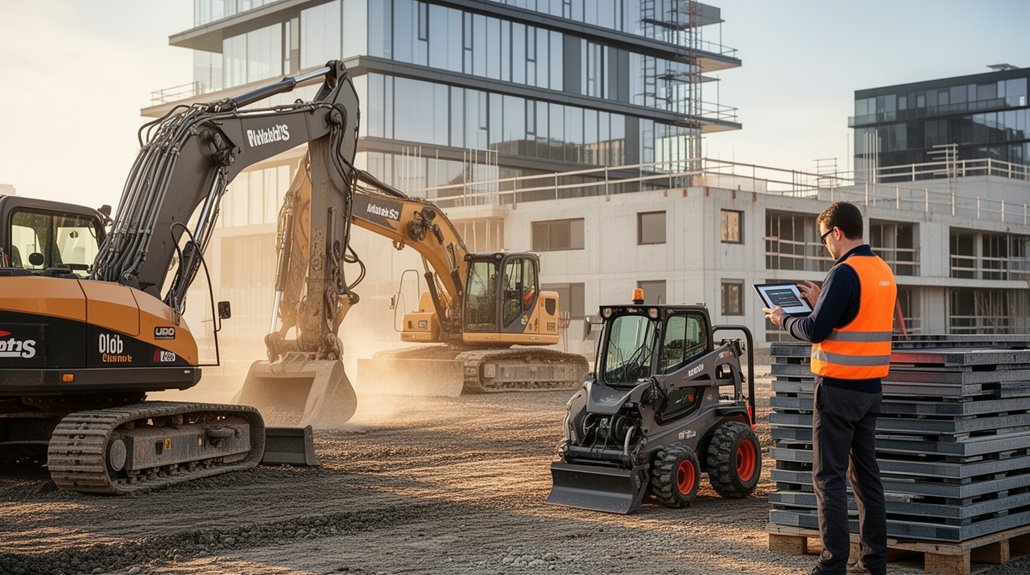
Renting can control costs for short-term work, but buying may suit renovation businesses that use the same plant equipment regularly. If your projects consistently need an excavator, skid steer, or access platform, ownership can reduce repeated hire charges and make scheduling easier.
Compare the purchase price, finance costs, insurance, storage, and downtime with your expected rental spend over several years. Buying makes more sense when you can keep the machine working across jobs and have trained operators ready to use it.
Plan for Equipment maintenance, including servicing, repairs, and replacement parts, so breakdowns don’t undermine savings or delay renovations.
Consider resale value, too: a well-maintained machine may recover part of your investment when your workload changes.
If demand is uncertain or equipment needs vary, renting keeps your options open.
Conclusion
In 2025, renting plant equipment can keep your renovation budget working on site instead of gathering dust in a machine you rarely use. You avoid tying up cash, chasing repairs, and finding storage for equipment that may outlast the project. Buy only when steady use makes ownership worthwhile. Otherwise, rent what you need, when you need it—and let the machinery leave before it starts demanding its own parking spot, maintenance fund, and line in your budget.