
 MartinShields
Your estate agent may point to rising asking prices, strong interest or a quick sale nearby. But those figures don’t always show what buyers actually paid, how long similar homes took to sell, or how many needed price cuts. Check sold prices, listing histories and unsold properties before accepting claims about local demand. The gap between the headline figures and the full picture may change how you judge your home’s value.
Key Takeaways
- Asking prices reflect seller expectations, not proven value; compare recent sold prices for similar homes nearby.
- Ask how long comparable properties took to sell, measured from listing to agreed sale rather than completion.
- Unsold listings can reveal buyer concerns, such as poor layouts, needed repairs, limited parking, or noisy locations.
- Repeated or steep price cuts may signal weak demand or unrealistic pricing, not necessarily a bargain.
- Verify agents’ market claims by requesting dated comparable sales, price histories, viewing levels, and offer details.
How Do Asking Prices Compare With Sold Prices?
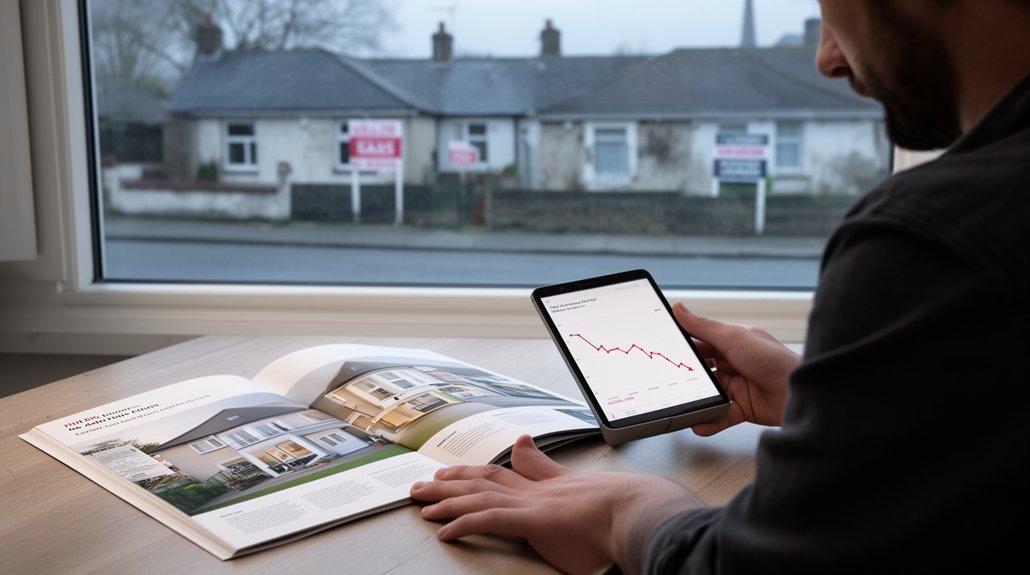
Asking prices show what sellers hope to achieve; sold prices reveal what buyers actually paid. When you compare the two, focus on completed sales for homes similar in location, size, condition, and features. Asking prices can reflect ambition, negotiation room, or an agent’s attempt to win an instruction; they aren’t proof of value.
Sold prices provide firmer evidence, but check when each sale completed. Market fluctuations can make older figures misleading, especially after interest rates or local demand change.
Your Pricing strategies should start with recent comparable sales, then account for your property’s differences. Ask your agent to explain the evidence behind their recommended asking price, including any gap between list and sale prices.
If the explanation relies only on optimistic asking prices, request stronger evidence before deciding where to position your home.
How Long Do Similar Homes Take to Sell?
How quickly do similar homes sell? Don’t rely on your agent’s broad claim that “the market is moving.” Ask for recent sale timelines for properties like yours, in your area and price bracket.
Compare the listing date with the agreed sale date, not just the completion date, which can be delayed by legal or mortgage issues.
Treat the figures as a guide, not a promise. Market fluctuations, seasonal demand, and changes in buyer confidence can shift timelines quickly.
Your home’s condition, presentation, and accessibility for viewings also affect how fast buyers act.
Ask how Pricing strategies influenced those results: Did homes priced realistically attract offers sooner?
Use the evidence to set expectations and plan your next move. If your agent can’t show comparable timelines, request clearer data before you commit to a launch date.
Which Local Homes Are Still Unsold: and Why?
While recent sales show what buyers want, unsold listings can reveal what’s putting them off. Look beyond the headline count and compare homes that have lingered with similar properties that sold. You may find a pattern: awkward layouts, deferred repairs, limited parking, poor natural light, or locations near noise and heavy traffic.
These drawbacks matter differently across neighborhoods, so use Neighborhood Insights to judge whether a home’s weakness is unusual or common nearby.
Check listing photos and descriptions, then visit in person if you can. A polished advert can hide dated systems or a cramped room; a viewing tests what the listing can’t show.
Consider Market Trends, too: seasonal timing and a narrow pool of suitable buyers can leave a sound home waiting. Don’t assume every unsold property is a bargain—or a problem. Identify the specific obstacle before you act.
What Do Price Cuts Say About Buyer Demand?
When several sellers cut prices, buyers may be resisting current valuations—or taking their time because they’ve plenty of alternatives. A cluster of reductions often signals that asking prices outran what local buyers will pay, not necessarily that homes have lost the same amount of value.
Look at the size and timing of cuts. Small reductions may reflect routine negotiation; repeated, steep cuts can point to weak demand, affordability limits, or homes that need work.
Market fluctuations also affect buyer behavior: mortgage costs, seasonal patterns, and uncertainty can make people pause or negotiate harder.
For you, a price cut is useful context, not proof of a bargain. Compare the revised price with similar homes and consider condition, location, and time on the market. Don’t assume every seller will accept the advertised reduction as their final price.
How Can You Check Your Agent’s Market Claims?

Before relying on an agent’s claim about prices or buyer demand, ask what local evidence supports it. Request recent completed sales, not just asking prices, and compare homes with similar size, condition, and location. Check how long properties stayed on the market and whether sellers accepted reductions.
Your own Market trend analysis should distinguish a genuine neighborhood pattern from a handful of unusual deals.
Ask your agent to explain the dates, sources, and boundaries behind any figures. Then verify them through public records, property portals, or another local professional.
If the agent cites a surge in interest, ask how many viewings led to offers and how many offers were serious. Look for agent transparency: a credible adviser will share limitations, not promise a price unsupported by evidence.
If answers stay vague, get a second opinion before setting your asking price.
Conclusion
Before you trust a confident market pitch, check the evidence. Compare asking prices with completed sales, review how long similar homes took to sell, and look for price cuts and lingering listings. These details reveal whether buyers are moving quickly or holding firm. Ask your agent for recent, comparable data—and question claims that don’t match it. A clear-eyed view helps you set a realistic price and make sound decisions. Don’t let optimistic headlines steer you through a fog.