
 MartinShields
Selling a home can feel like watching a clock with no hands: you know time is passing, but the finish line isn’t clear. Your timeline depends on preparation, pricing, buyer interest, and the steps between an accepted offer and closing. Ask when you can expect offers, how long negotiations and inspections may take, and what could cause delays. One overlooked question can shift your plans by weeks.
Key Takeaways
- Ask how long comparable homes take to sell locally; demand, inventory, pricing, and condition all affect the timeline.
- Ask how much preparation your home needs; repairs, cleaning, and staging can take days or several weeks.
- Ask when to expect offers and how quickly to respond; buyer interest may take days or weeks, with negotiations often lasting several days.
- Ask how long inspection, appraisal, financing, and title work will take; these steps commonly add 30–60 days after offer acceptance.
- Ask what could delay closing and when to plan your move; keep arrangements flexible until the closing date is confirmed.
How Long Does Selling a Home Usually Take?
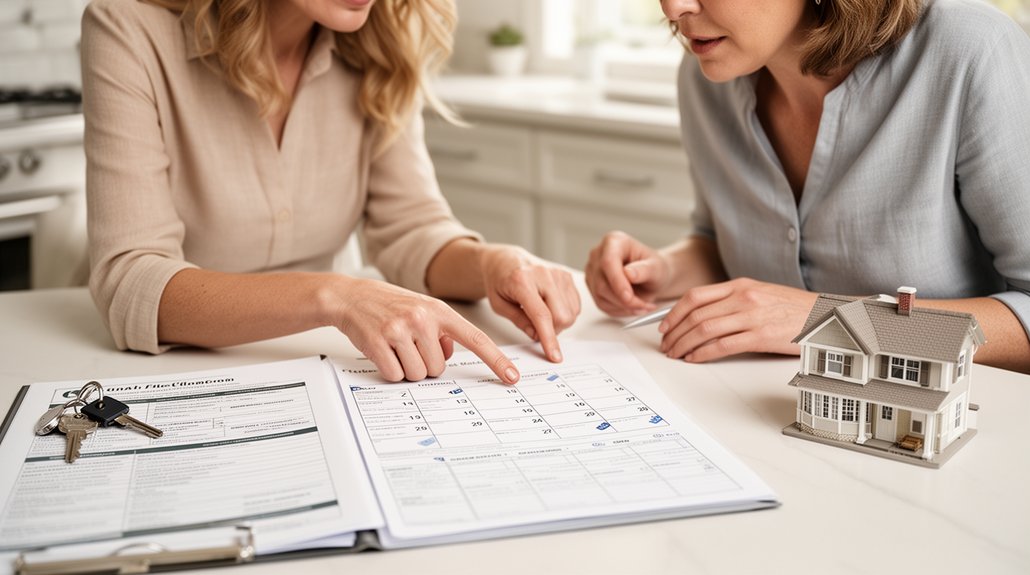
Selling a home typically takes several months from listing to closing, but your timeline depends on local demand, pricing, property condition, and the buyer’s financing.
Once you list, you may receive an offer within days in a competitive market or wait weeks if buyers have more choices.
Staging strategies and effective Marketing channels can help attract qualified buyers, though neither guarantees a quick sale.
After you accept an offer, inspections, appraisal, underwriting, and title work commonly take 30 to 60 days.
Delays can occur if the buyer’s loan needs extra review, an inspection reveals issues, or either party misses a deadline.
Ask your agent for recent local data on days on market and typical closing periods.
Use those figures to set a realistic move date and plan for possible extensions.
How Long Does It Take to Prepare a Home for Sale?
Preparing a home for sale can take a few days or several weeks, depending on its condition and the work you plan to do. If your property is clean and well-maintained, you may only need to declutter, deep-clean, and make minor repairs.
Allow extra time for painting, replacing worn fixtures, or addressing maintenance issues that could affect buyer impressions. Start with a walkthrough and list each task, then schedule contractors early if you need professional help.
Home staging may take a day or two, but arranging furniture, sourcing accessories, and coordinating a stager can extend the timeline.
Improve Curb appeal by tidying landscaping, clearing walkways, and invigorating the entry.
Build in a few buffer days for delays, final cleaning, and photography before listing.
How Do Price and Market Conditions Affect Sale Time?
Your asking price can directly affect how quickly buyers respond. Price your home in line with comparable sales and current demand to attract serious offers.
In a fast or slow market, adjust your timeline expectations to match buyer activity and available inventory.
Pricing Strategy
Pricing is one of the strongest factors you can control when estimating how long your home will take to sell. Set a price that reflects your property’s condition, features, and recent comparable sales. A thorough market analysis helps you identify a realistic range; your agent can explain how nearby listings and completed sales support the recommendation.
Pricing above that range may limit showings and leave your home on the market longer, while a competitive price can attract qualified buyers early. Don’t treat your initial asking price as fixed. Track showing activity and buyer feedback, then discuss pricing adjustments with your agent if interest remains low.
Make changes promptly and strategically rather than relying on repeated small reductions. Your goal is to position the home well from launch, when buyer attention is often strongest.
Market Conditions
Even a well-priced home can take longer to sell when market conditions shift. Compare your local inventory, recent sales, and average days on market before setting expectations. When buyers have many options, you’ll need sharper pricing, strong presentation, and flexible showing access to stand out.
In a competitive market, limited listings may bring offers quickly, but don’t assume every buyer will meet your asking price.
Track Market fluctuations weekly, including new listings, price reductions, and pending sales in your neighborhood. Ask your agent how these changes affect comparable homes, not just broad regional averages.
Economic trends also influence buyer urgency: mortgage rates, employment, and consumer confidence can expand or shrink your audience. If demand weakens, adjust promptly rather than waiting for interest to return.
Review feedback and showing activity after each week, then decide whether your price or marketing needs a targeted change.
How Long Does It Take to Find a Home Buyer?
The time it takes to find a buyer depends on how your asking price compares with similar homes and how much demand exists in your market.
Price your home to attract qualified buyers, not just to test the market.
Before listing, prepare for interest by arranging showings, gathering property details, and deciding how you’ll evaluate offers.
Pricing and Market Demand
How quickly you find a buyer depends largely on whether your asking price matches current demand. Check recent sales of comparable homes, not just active listings, to see what buyers have actually paid.
Market trends such as rising inventory, falling prices, or longer selling times can signal whether you should price aggressively or allow more room for negotiation. Your home’s condition, location, and features also affect its appeal relative to nearby options.
Discuss Pricing strategies with your agent before setting a figure. A price aligned with comparable sales can attract qualified buyers; an inflated price may reduce showings and extend your timeline.
Track early feedback and competing listings, then adjust promptly if interest remains weak. You can’t control demand, but you can respond to evidence and avoid letting an unrealistic asking price cost you valuable weeks.
Preparing for Buyer Interest
Once your home is priced and ready to show, buyer interest may come within days—or take several weeks, depending on demand and how your property compares with others. You can improve your chances by making the listing easy to find and the home easy to picture as someone’s own.
Use clear, well-lit photos and a detailed description that highlights practical benefits, such as storage, recent updates, and commute options.
Choose Marketing channels that reach likely buyers, including major listing sites, social media, and your agent’s network.
Apply Staging techniques that make rooms feel spacious, remove personal clutter, and ensure the property is clean and show-ready.
Track online views, showing requests, and buyer feedback with your agent. If interest stays low after the first couple of weeks, review the price, presentation, and promotion before modifying course.
How Long Do Offer Negotiations Usually Take?

Offer negotiations often take a few days to a week, but the timeline depends on how quickly you and the buyer respond and whether you’re negotiating price, contingencies, or closing dates. You can shorten the process by reviewing each term promptly and deciding in advance where you’re willing to compromise.
During an Offer negotiation, answer with a clear counteroffer and a reasonable deadline, rather than leaving terms open-ended. Buyer hesitation may add days if the buyer needs time to compare options, consult an adviser, or secure approval.
Ask your agent to follow up and clarify what’s holding up a decision. If you receive multiple offers, compare price, financing, proposed timing, and conditions before responding.
Once you and the buyer agree in writing, the negotiation phase ends; until then, keep communication timely and expectations realistic.
How Long Do Inspection and Appraisal Take?
Inspection and appraisal timelines vary, but a home inspection usually takes a few hours, with the report arriving within one to three days. During the Inspection process, your buyer may request repairs or credits after reviewing the findings. You’ll need time to assess those requests, negotiate terms, and arrange any specialist evaluations if the inspector flags concerns. Respond promptly and keep receipts or maintenance records handy to help resolve questions.
The Appraisal timeline often depends on the lender’s scheduling and the appraiser’s availability. The visit itself may take less than an hour, but the written valuation can take several days to arrive. Your agent can track both appointments and alert you to delays.
If the appraisal comes in below the agreed price, you and the buyer may need to discuss options, so ask your agent what steps your contract allows.
How Many Weeks Does Closing Usually Take?
After the buyer’s financing, inspection, and appraisal are complete, closing usually takes about 30 to 45 days from the accepted offer, though cash sales can close sooner. During this period, you’ll coordinate with the title company, review the settlement statement, and sign required documents.
Your agent can confirm the target date and explain when you’ll need to provide identification, payoff details, or other paperwork. Ask the buyer’s lender and closing agent about their schedule so you can plan your move with realistic dates.
Keep your Moving timeline flexible until both parties confirm the closing date in writing. If you’ve completed Home staging, you can shift your focus to packing and arranging utilities, while keeping the property accessible for any agreed final walkthrough.
Confirm how and when you’ll receive your sale proceeds.
What Can Delay a Home Sale: and How Can You Plan?
Even a well-prepared sale can stall when financing, appraisal, title, or repair issues arise. Ask your buyer’s agent to confirm loan milestones and respond quickly to lender requests.
If the appraisal comes in low, you may need to renegotiate, challenge the valuation with comparable sales, or discuss a cash shortfall.
Order a title search early, resolve liens or ownership discrepancies, and review Legal considerations with a qualified professional.
Address inspection findings promptly; obtain contractor estimates and agree in writing on repairs or credits. Keep permits and receipts ready.
Before listing, use Home staging to make rooms easy to assess, and disclose known defects accurately.
Build schedule flexibility into your moving plans, set deadlines for decisions, and maintain a backup plan if financing or repairs push closing past your target date.
Conclusion
Before listing, ask your agent for a realistic timeline from preparation to closing, including likely delays and backup plans. For example, if your buyer’s appraisal comes in low, you may need to renegotiate or wait while the lender reviews updated information. Knowing how each step affects the schedule helps you make informed decisions, coordinate your move, and avoid costly surprises. Don’t settle for a single date; get clear estimates for offers, negotiations, inspections, financing, and closing—and revisit them as conditions change.