 MartinShields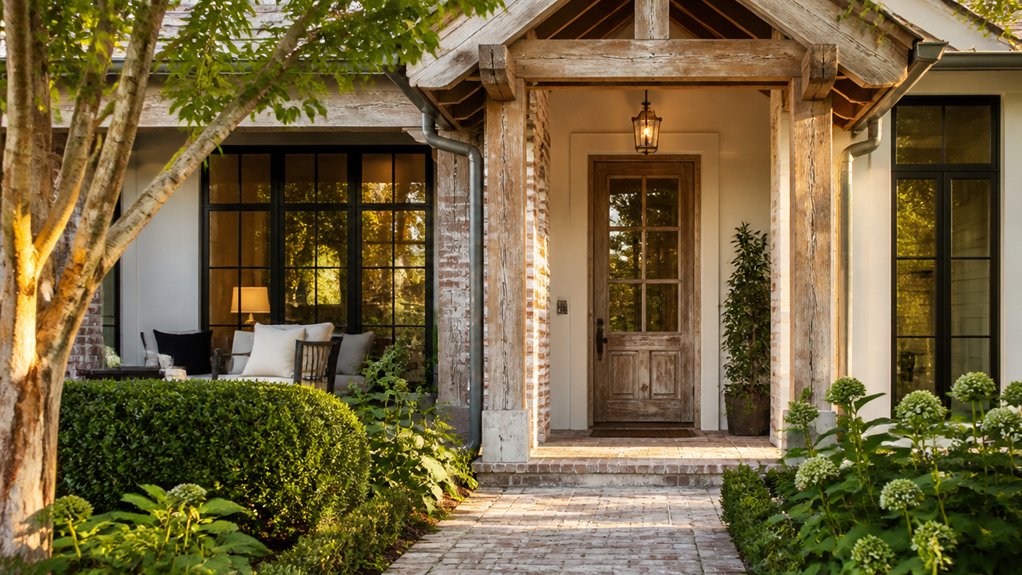
Reclaimed building materials can give your property the character and craftsmanship that standard finishes often lack, helping it stand out to buyers. Used thoughtfully, they can also support durability, sustainability, and long-term appeal. But not every salvaged feature adds value, and the wrong choice can create costly problems. Knowing which materials to use, where they’ll have the greatest impact, and what to check before buying can make all the difference.
Key Takeaways
- Reclaimed materials add distinctive character and authenticity that make a property more memorable to buyers.
- Salvaged wood, brick, and stone create attractive focal points in entryways, fireplaces, and feature walls.
- Reusing materials supports sustainability, appealing to buyers who value environmentally conscious design.
- High-quality reclaimed features can signal craftsmanship, durability, and lasting value.
- Pairing reclaimed details with modern comforts creates a balanced, functional home with broader market appeal.
What Makes Reclaimed Materials Appealing?
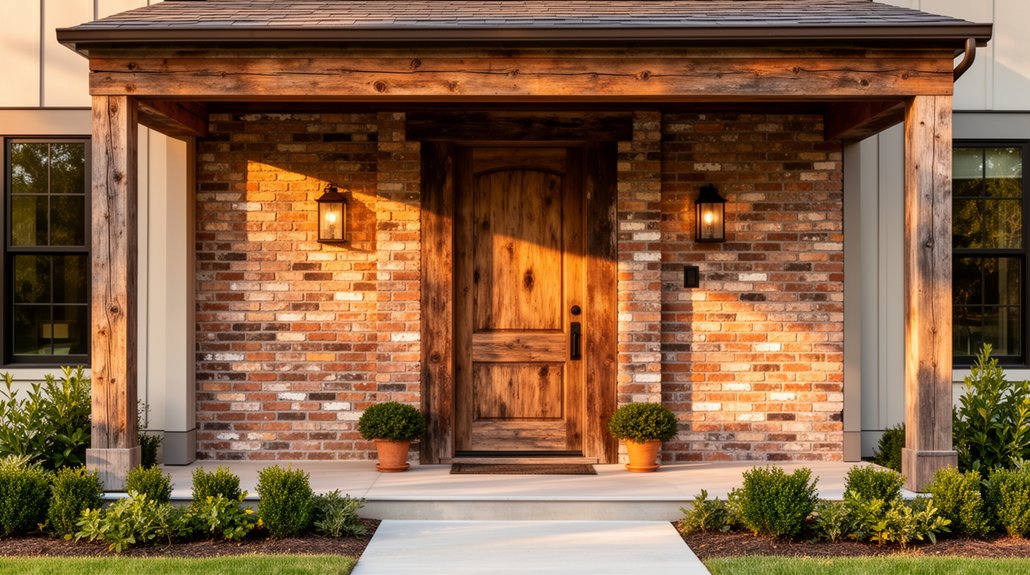
Reclaimed materials appeal to builders because they combine character, resource efficiency, and practical value. When you reuse sound materials, you reduce demand for newly manufactured products and keep usable resources out of landfills. That choice can support sustainability goals while giving a renovation a distinctive, established feel.
You can use reclaimed pieces as interior accents or incorporate them into broader designs, depending on their condition and your project’s needs. Before committing, assess quality, availability, preparation, transport, and installation.
Cost considerations go beyond the purchase price: cleaning, repairs, and custom fitting can raise the total, while local sourcing may reduce delivery expenses. Compare those costs with new alternatives and account for durability.
With careful selection and planning, you can make reclaimed materials a practical design choice that supports a property’s appeal without sacrificing function or budget.
Which Reclaimed Materials Add the Most Character?
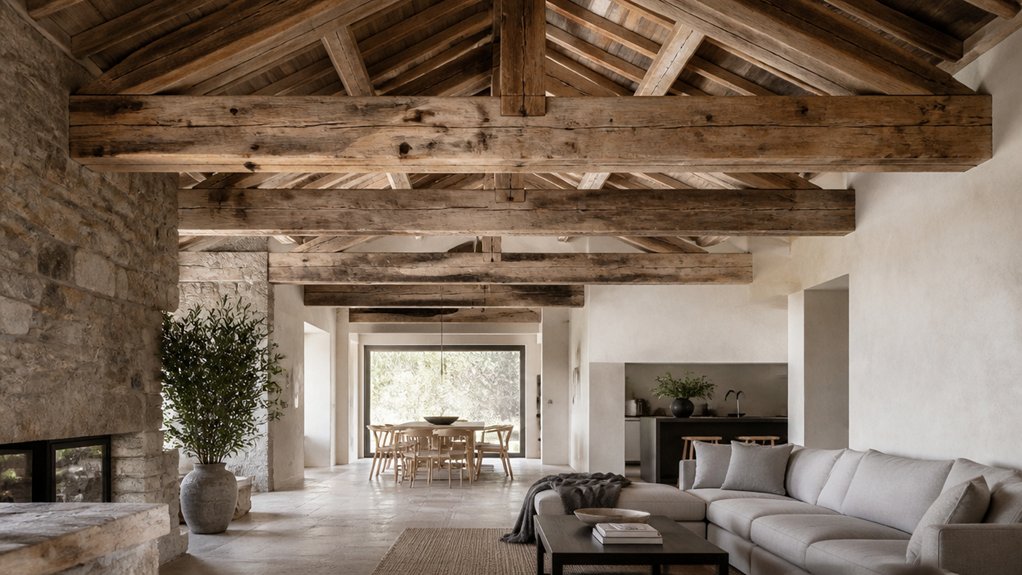
Reclaimed wood beams bring warmth and visible history to ceilings and structural features.
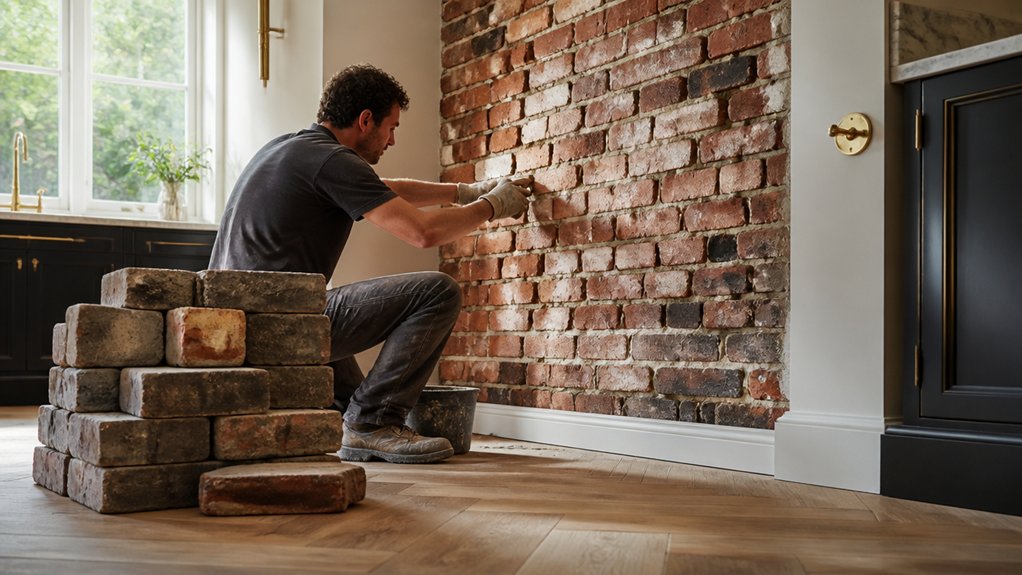
Salvaged brick adds texture and a sense of permanence to walls, fireplaces, and patios.
Vintage doors and windows give you distinctive details, but check their condition and fit before installation.
Reclaimed Wood Beams
Few materials add warmth and history to a room like reclaimed wood beams. Their weathered grain, old tool marks, and natural variation bring Rustic charm you can’t reproduce with new lumber. Exposed overhead, they create a focal point that helps a home feel distinctive and memorable to buyers.
Choose beams that suit your property’s scale and architecture. Oversized timbers can overwhelm a small room, while carefully placed beams can add depth without making ceilings feel low.
Before installation, have a qualified professional inspect each piece for structural integrity, pests, and hidden metal. Reclaimed beams often work best as decorative features unless an engineer confirms they can carry loads.
You’ll also support Historic preservation by giving sound, salvaged timber a new purpose. Seal the wood appropriately, and document its origin to strengthen your home’s story and appeal.
Salvaged Brick
Salvaged brick brings a sense of age and craftsmanship that new brick can’t easily match. Its varied tones, worn edges, and subtle surface marks give your property depth and a convincing connection to its past.
Use reclaimed brick for a fireplace surround, garden wall, or interior feature wall when you want character without making the whole space feel historic.
Before buying, check that each brick suits its intended location. Ask about its origin, dimensions, and exposure to weather, then inspect for cracks, crumbling faces, and mortar residue.
Salvaged brick can vary in size, so allow your mason time to sort pieces and plan the layout. Confirm that the material meets local requirements, especially for structural work.
With careful selection and installation, you’ll gain a durable, distinctive finish that can strengthen your property’s appeal.
Vintage Doors and Windows
Vintage doors and windows add character through original proportions, aged wood, wavy glass, and distinctive hardware. When you reuse them, you preserve details that modern reproductions rarely capture. Their historical significance can also strengthen a property’s appeal, especially when the pieces suit the home’s era and architecture.
Inspect each unit before installation. Check frames for rot, joints for looseness, glass for cracks, and paint for lead. Use appropriate restoration techniques: repair sound wood, replace failed glazing compound, and retain original hardware where practical. A skilled carpenter can adapt openings, but avoid cutting historic frames unnecessarily.
Improve performance with weatherstripping, careful sealing, and discreet storm panels. Don’t assume old windows must be replaced to meet comfort goals. Choose doors and windows that operate safely, fit securely, and complement your building; authentic materials reward you with lasting character and a more distinctive, marketable home.
How Reclaimed Features Affect Buyer Appeal
Reclaimed features give your home distinctive character that helps it stand out to buyers. They also signal sustainable design, which can strengthen appeal among environmentally conscious buyers.
Choose well-maintained materials with timeless appeal to make that impression last.
Distinctive Character
When buyers compare similar homes, reclaimed materials can make a property more memorable. Their distinctive character gives you a practical way to create visual interest without relying on generic finishes. A reclaimed oak beam, brick wall, or vintage door can serve as a focal point and help define a room’s style.
Vintage charm comes from visible age and craftsmanship, not from making every surface look old. Choose pieces that suit the home’s proportions and condition; a feature that feels out of place can distract buyers rather than appeal to them.
Unique textures, such as weathered wood or handmade tile, add depth that smooth, uniform materials often lack.
Use reclaimed elements selectively, then pair them with simple finishes. This balance lets buyers notice the detail while still imagining how they’d use the space.
Sustainable Design
How does sustainability shape buyer appeal? When you choose reclaimed materials, you show buyers that your property supports responsible resource use. Salvaged timber, brick, and stone can reduce demand for newly extracted materials and keep usable resources out of landfills. These choices make eco-friendly construction visible, not just a claim in a listing.
You can strengthen that message by pairing reclaimed features with efficient systems, such as insulation, low-flow fixtures, and renewable energy. Buyers often value homes that can lower environmental impact and operating costs, but they’ll look for practical performance, too.
Document material origins and upgrades, and explain how each feature benefits daily use. Clear evidence helps buyers assess the home’s sustainability and may set it apart from comparable properties. Avoid overstating savings; credible details build trust and support informed offers.
Timeless Appeal
A well-chosen reclaimed feature can give a home character that feels enduring rather than tied to a passing trend. Buyers often respond to materials with visible history, such as exposed beams, original brick, or salvaged flooring. These details make a property feel distinctive and thoughtfully maintained, helping it stand out in a crowded market.
You can strengthen that appeal by pairing Historical preservation with practical updates. Keep defining features intact, but guarantee they meet current expectations for safety, comfort, and function.
Artistic customization also lets you adapt reclaimed pieces to the home’s architecture without erasing their character. A reclaimed mantel, for example, can become a focal point when its scale and finish suit the room.
Choose quality materials and professional installation. Buyers value authenticity most when reclaimed features look intentional, durable, and easy to live with.
What Sustainability Benefits Do Reclaimed Materials Offer?
Reclaimed materials reduce demand for newly extracted resources and keep usable products out of landfills. When you reuse timber, brick, or metal, you avoid some energy-intensive mining, harvesting, and manufacturing tied to new products. That choice supports Resource conservation and can lower the embodied carbon in your renovation, though transport and processing still affect the total footprint.
You can make Eco friendly practices practical by checking each item’s condition, origin, and suitability before purchase. Salvaged materials may need cleaning, repairs, or testing for hazards such as lead paint; factor those steps into your plans and budget. Choose durable pieces that meet current building requirements, and work with suppliers who provide clear sourcing details.
Reuse doesn’t automatically make a project sustainable, but careful selection helps you reduce waste, limit demand for virgin materials, and make more responsible use of existing resources.
Where Do Reclaimed Materials Make the Biggest Impact?
The greatest impact often comes from reusing materials that would otherwise be discarded and replacing products with high manufacturing footprints. In your property, reclaimed timber, brick, stone, and architectural fixtures can transform visible, high-traffic areas such as entryways, fireplaces, staircases, and feature walls. These elements give buyers tangible character they won’t find in mass-produced finishes.
Choose pieces whose scale and condition suit the space. A salvaged beam can anchor a room, while reclaimed brick can add texture to a prominent wall. Prioritize sound structure, consistent dimensions, and documented origin; Historical significance matters most when you can explain it accurately.
Strong craftsmanship quality also signals durability and care, strengthening perceived value. Focus your budget on a few well-placed features rather than scattering reclaimed materials throughout every room. A clear focal point makes their provenance and workmanship easier to appreciate.
How Can You Pair Reclaimed Materials With Modern Comfort?
Pair reclaimed materials with modern comfort by keeping the character and upgrading what affects daily use. Let original beams, brick, or timber floors provide texture, then balance them with clean lines, restrained colors, and well-planned lighting. This contrast supports modern aesthetics without making a room feel staged.
Prioritize performance where you’ll notice it most. Add discreet insulation behind reclaimed wall finishes, install efficient heating and cooling, and choose contemporary windows that complement older details.
In kitchens and bathrooms, pair salvaged wood or stone with reliable fixtures, easy-care surfaces, and practical storage. You can enjoy luxury comforts without sacrificing the material’s history.
Keep the palette cohesive, and repeat a reclaimed finish in small, deliberate touches. When old and new elements serve clear purposes, your home feels comfortable, distinctive, and thoughtfully updated.
What Should You Check Before Buying Reclaimed Materials?
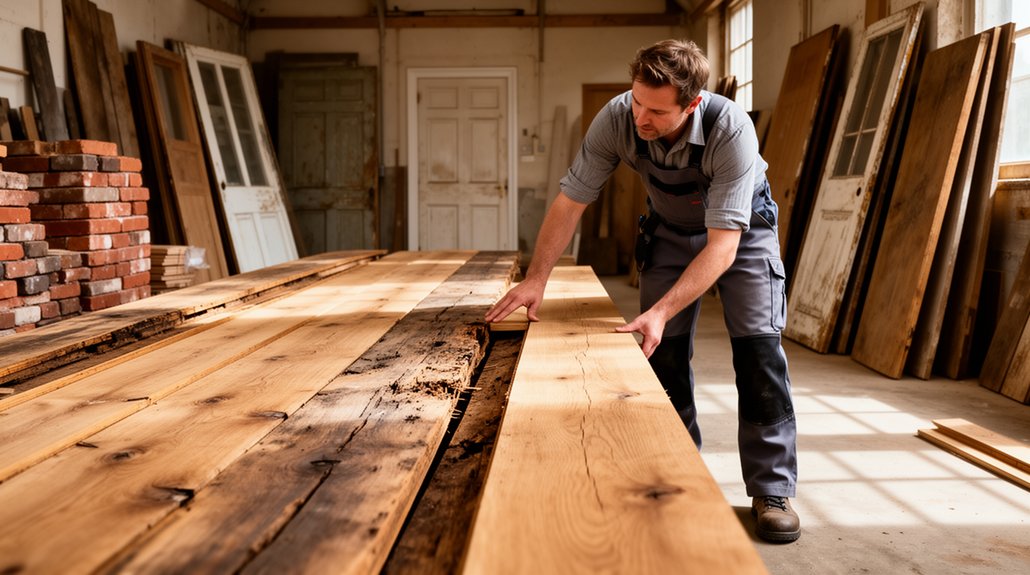
Before you buy reclaimed materials, check their condition, history, and suitability for your project. Look for rot, corrosion, cracks, insect damage, and hazardous coatings such as lead paint. Ask the supplier where each item came from and whether it has been cleaned, tested, or treated.
Verify dimensions, quantities, and compatibility with your plans; reclaimed pieces may vary, so don’t assume they’ll fit standard specifications.
Pricing considerations go beyond the purchase price. Include transport, sorting, repairs, finishing, and any specialist installation in your budget. Compare the total cost with new alternatives, while weighing reclaimed materials’ character and potential value.
Expect sourcing challenges: stock can be limited, inconsistent, or unavailable when you need it. Inspect materials in person where possible, request clear photos, and confirm return terms before paying.
Secure suitable items early, but don’t compromise safety or quality.
Conclusion
Reclaimed materials can do far more than decorate your home—they can make it unforgettable. Choose sound, well-sourced pieces, then use them where their history and texture will shine, such as a fireplace, feature wall, or sturdy flooring. Balance their character with modern comfort and finishes to keep your space practical and appealing. When you plan carefully, you’ll create a distinctive home that resonates with buyers, supports sustainability, and may stand out like a beacon in a crowded market.