 MartinShields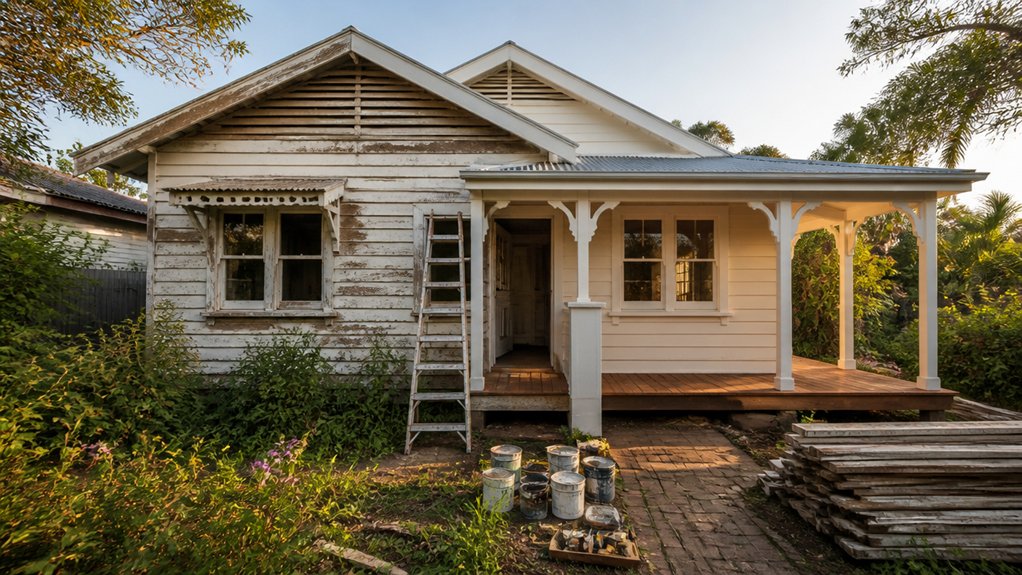
Transforming a neglected bungalow starts with a clear plan, not a cosmetic makeover. You’ll need to inspect the structure, identify water and safety risks, and decide which repairs matter most before updating finishes. Then you can tackle essential systems and restore the home’s character room by room, inside and out. The order matters: one overlooked problem can undermine every improvement that follows.
Key Takeaways
- Inspect every room and outdoor area, photograph existing conditions, and prioritize essential repairs over cosmetic upgrades.
- Address safety hazards, water intrusion, and structural problems first, using licensed inspectors and documenting completed repairs.
- Upgrade electrical, plumbing, and HVAC systems with qualified professionals; obtain permits and keep inspection records.
- Repair plaster, trim, floors, and exterior features before painting, while preserving sound original details.
- Improve landscaping, paths, and outdoor lighting while coordinating changes with drainage to protect the foundation.
Inspect the Bungalow and Set Priorities
Before you plan renovations, inspect the bungalow from top to bottom and note what needs attention. Walk through every room with a notebook, recording worn finishes, outdated fixtures, and areas that need better light or storage. Photograph each space so you can compare conditions and track decisions.
Outside, check the paths, garden beds, trees, and sightlines to assess Landscaping potential. Look for Historical features, such as original trim, built-ins, doors, or stained glass; note their condition and consider how to preserve them.
Then sort your observations by importance, cost, and the impact each change will have on daily use. Separate essential work from cosmetic upgrades, and identify projects you can phase over time.
Set a realistic budget and timeline before choosing materials or hiring contractors. Keep your notes organized.
Fix Safety, Water, and Structural Problems
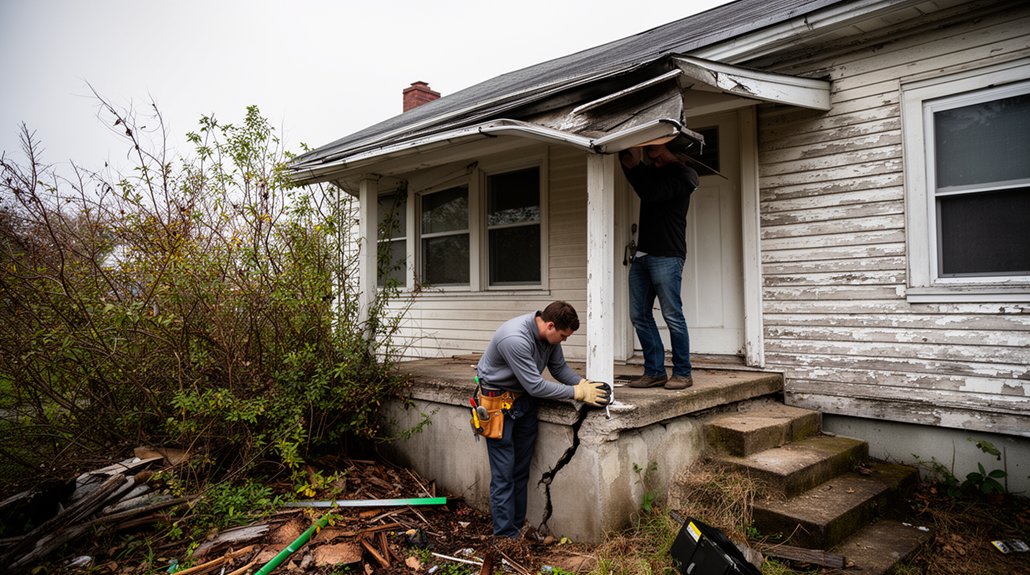
Address hazards and water intrusion before cosmetic work, since hidden damage can undermine new finishes and put occupants at risk. Start with a licensed inspector’s assessment of sagging floors, cracked masonry, roof leaks, and unsafe stairs. Keep people out of unstable areas, and arrange urgent repairs before work continues.
Trace moisture to its source rather than covering stains. Repair damaged flashing, gutters, grading, or foundation drainage, then dry affected materials and replace rot or mold-damaged components. Have a qualified professional assess suspected structural movement and specify repairs; don’t conceal cracks or reinforce framing by guesswork.
Secure broken doors and windows to improve home security while preserving safe access for crews. Clear debris and trim vegetation that traps moisture against the house. Plan landscaping enhancement only after drainage works, so new planting won’t redirect water toward the foundation.
Document repairs for future reference.
Update Essential Bungalow Systems
With structural and water problems under control, inspect the bungalow’s electrical, plumbing, and heating systems before closing walls or choosing finishes. Hire licensed professionals to assess wiring, panels, outlets, and grounding; replace unsafe components and confirm capacity for modern appliances.
Have a plumber check supply lines, drains, water pressure, and the water heater, repairing leaks and upgrading corroded pipes.
Ask an HVAC technician to test the furnace, ducts, ventilation, and controls, then address inefficiency or safety concerns.
Obtain required permits, schedule inspections, and keep records of work and warranties.
Plan outlet locations, lighting circuits, plumbing fixtures, and thermostat placement before you finalize interior decor.
Coordinate system upgrades with landscaping enhancements only where outdoor work affects buried utility lines.
Don’t conceal unfinished repairs behind new walls or surfaces.
Refresh Rooms and Boost Curb Appeal
Once the systems are safe and functional, refresh each room with repairs and finishes that suit the bungalow’s character. Patch plaster, repair trim, and sand floors before painting or refinishing. Choose durable, moisture-resistant finishes for kitchens and bathrooms, and use a consistent palette to help smaller rooms feel connected. Preserve original details, such as built-in cabinets or woodwork, when they’re sound; replace damaged pieces with compatible materials.
Next, improve the exterior without obscuring the home’s proportions. Repair steps, repaint weathered siding, and clear gutters before adding decorative touches. Plan garden landscaping around mature trees, foundation drainage, and manageable maintenance.
Define paths and entry areas with sturdy materials, then install outdoor lighting to illuminate steps, address numbers, and entrances. Check fixture placement and brightness at night for safe, welcoming access.
Conclusion
Transforming a neglected bungalow is a careful relay, not a race. Start with a thorough inspection, then tackle hazards, leaks, and structural damage before cosmetic work. Bring licensed professionals in for electrical, plumbing, and heating upgrades, and document repairs as you go. Once the home is sound, restore original details, refresh finishes, and improve paths, lighting, and landscaping. By following this order, you’ll protect your investment, preserve the bungalow’s character, and create a safer, more welcoming home.