 MartinShields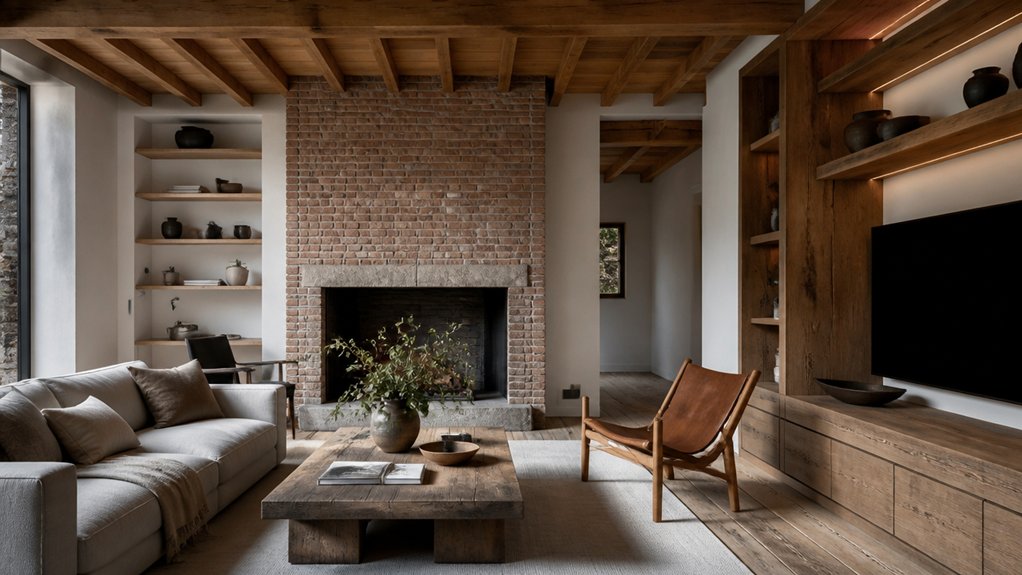
Reclaimed building materials can give your project warmth, texture, and a sense of history, but character shouldn’t come at the cost of safety or performance. You’ll get the best results by choosing reliable sources, checking each piece for damage and hazards, and matching materials to suitable uses. Careful cleaning and installation matter, too. Before you decide what to keep, learn which details reveal whether a salvaged piece is ready for your project.
Key Takeaways
- Choose reclaimed materials that suit the intended use, and have professionals assess pieces used for structural or load-bearing applications.
- Inspect each item in person for cracks, rot, pests, corrosion, damaged fasteners, and other defects that could affect safety or durability.
- Check for lead paint, asbestos, and chemical residues; test questionable materials and follow safe handling and disposal practices.
- Verify dimensions, strength, treatment history, and building-code compliance before installation; use compatible fasteners and allow wood to acclimate.
- Pair reclaimed materials with modern, code-compliant components where needed, coordinating dimensions, finishes, and details for a cohesive result.
Choose Reclaimed Building Materials for Your Project
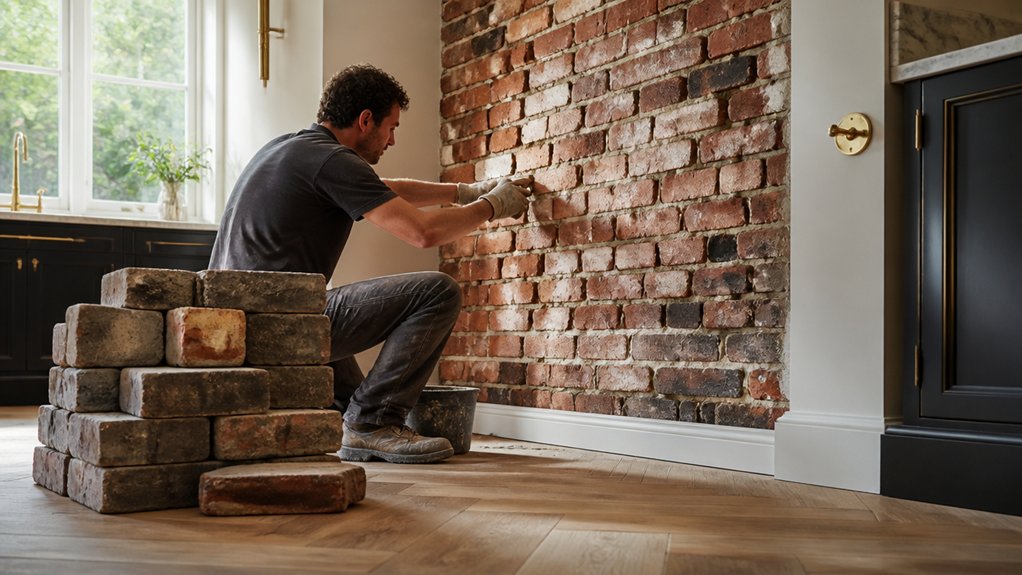
Choosing reclaimed building materials starts with matching each item to its intended use, condition, and project requirements. Before you select a piece, confirm its dimensions, load capacity, and compatibility with current building codes.
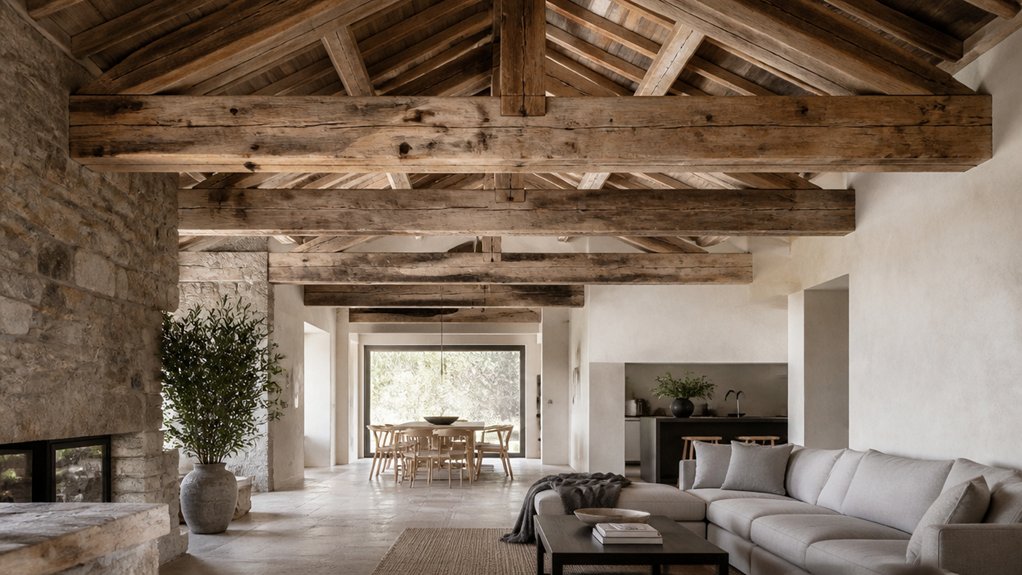
Reclaimed beams may suit decorative ceilings, for example, but structural use requires professional assessment. Check wood for rot, insect damage, moisture, and embedded nails; inspect bricks for cracks and consistent sizing. For doors, flooring, and fixtures, verify that hardware, finishes, and measurements fit your plans.
Consider each material’s historical significance and aesthetic appeal, but don’t let appearance outweigh performance. A weathered surface can add character, while hidden damage may create costly problems. Decide whether you’ll preserve the original finish or refinish the item, and factor in cleaning, repairs, and installation.
Choose pieces that meet practical needs and support your design goals.
Find Reputable Reclaimed Material Sources
Once you’ve identified the materials your project needs, look for suppliers who can document where their inventory came from and how it was stored. Ask whether items came from a renovation, demolition, or salvage operation, and request any available records, such as building histories or removal permits. Clear answers help you assess sustainable sourcing and confirm that materials weren’t obtained through questionable practices.
Check supplier reputation through recent customer reviews, trade references, and recommendations from architects or contractors. Ask how the company handles reservations, delivery, returns, and discrepancies between listings and received orders. A dependable supplier will explain its policies in writing and respond promptly to specific questions.
Compare several sources before committing. Confirm stock quantities, dimensions, pricing, and lead times, then get the details on your invoice. Choose a partner who communicates consistently and can support your project schedule.
Inspect Salvaged Wood, Brick, and Fixtures
Before buying, inspect each item in person when possible, since photos can hide defects.
For Salvaged wood, check boards for straightness, consistent thickness, and sound edges. Look along each piece for splits, loose knots, deep gouges, and signs of previous fasteners that could complicate cutting or installation. Compare dimensions across the lot so you know whether pieces will fit your plans.
Examine reclaimed brick individually and across the stack. Look for uniform sizes, intact corners, and surfaces that suit your design; ask whether the seller can provide enough matching units for the project.
Test doors, windows, and brick fixtures by operating hinges, latches, and other moving parts. Check that frames sit square and hardware feels secure. Photograph labels and measurements, then confirm quantities, dimensions, and return terms before you commit.
Screen Reclaimed Materials for Hazards and Damage
Before reusing reclaimed materials, check for hazards such as lead paint, asbestos, and chemical residues.
Inspect each piece for cracks, rot, corrosion, or other damage that could affect its strength.
If you’re unsure about a material’s safety or condition, get it tested or assessed by a qualified professional.
Check for Hazardous Materials
What’s hidden beneath a reclaimed material’s surface can matter as much as its condition. Before you bring salvaged doors, flooring, or fixtures home, find out where they came from and when they were made. Older materials may contain lead paint, asbestos, or other hazardous chemicals that require professional testing or handling.
Don’t sand, scrape, cut, or pressure-wash a suspect item; those actions can release harmful dust or fibers. If you can’t verify its history, arrange testing through a qualified professional, especially for painted wood, old insulation, tiles, and pipe coverings.
Keep questionable materials isolated from living areas until you know they’re safe. Follow local rules for removal and disposal, and hire licensed specialists when required. A careful screening protects your household and helps you decide whether a reclaimed piece belongs in your project.
Inspect for Structural Damage
Once a reclaimed item passes a hazard screening, inspect it for damage that could affect its strength or fit. Check timber for splits, rot, insect holes, warping, and loose joints. Probe suspicious areas with an awl; soft, crumbling wood may not hold fasteners.
For bricks and stone, look for deep cracks, spalling, and crumbling edges that could weaken a wall. Examine metal for corrosion, bent sections, failed welds, and enlarged holes.
Don’t rely on appearance alone: measure dimensions and compare them with your plans. If you’ll reuse a component in a structural role, arrange a qualified Load bearing assessment before installation.
For masonry or framing near the base of a building, consider how its condition could affect Foundation stability. Set aside questionable pieces, and replace or professionally repair them rather than concealing damage.
Choose the Right Use for Each Material
Match each reclaimed material to a use that suits its properties, such as reserving sturdy lumber for structural work.
Assess its condition and performance before installation, checking for wear, warping, and reliable load capacity.
If it can’t meet the demands of its intended use, choose a safer application.
Match Material to Purpose
Choosing the right use for reclaimed materials starts with evaluating their condition, strength, and exposure to moisture. Then match each piece to a role that suits its original construction and current demands.
Use sturdy, properly sized beams for interior framing only when they meet applicable structural requirements; reserve less uniform timbers for mantels, shelving, or decorative ceiling details.
Reclaimed brick can create an accent wall or garden path, while weather-resistant stone works well for steps and paving.
Keep old flooring in dry, low-traffic rooms if its dimensions or finish make it unsuitable for busy areas.
Consider Historical context and aesthetic considerations, but don’t let appearance dictate placement.
A salvaged door may add character as a feature panel, yet it shouldn’t serve as an exterior entry unless it provides the needed security and weather protection.
Assess Condition and Performance
Before assigning reclaimed materials a new role, inspect them for defects that could affect safety or service life. Check Surface integrity for cracks, rot, delamination, corrosion, loose joints, and insect damage. Probe suspect wood with an awl, and examine metal for thinning or failed connections.
Don’t rely on appearance alone: Moisture testing can reveal dampness that encourages decay or warping, especially in timber destined for floors or framing. Compare each piece’s condition with the demands of its intended use.
Reserve sound, dimensionally stable materials for structural or high-wear applications; use marked, uneven, or weathered pieces for trim, shelving, or decorative features instead.
Confirm dimensions, load capacity, and any required treatment before installation. If damage compromises strength or you can’t verify performance, consult a qualified professional or choose another use.
Clean and Prepare Materials Carefully
Once you’ve selected reclaimed materials, clean and prepare them before they go into your project. Start with dry brushing or vacuuming to remove loose dust, then choose a cleaning method suited to the material.
For wood, use a lightly damp cloth and mild soap; avoid soaking boards, which can cause swelling or warping. Clean brick and stone with a stiff, nonmetallic brush, testing any solution on a hidden spot first. Surface cleaning should remove grime without stripping patina or damaging finishes.
Check for embedded nails, staples, or old fasteners, and remove them carefully with appropriate tools. Wear gloves, eye protection, and a respirator when dust or old coatings may pose a hazard.
If you suspect lead paint or hazardous residues, stop and consult a qualified professional. Let materials dry fully, then store them in a clean, sheltered area.
Careful material preservation keeps useful character intact.
Install Reclaimed Materials for Lasting Performance
For lasting performance, install reclaimed materials according to their condition, dimensions, and intended use. Check each piece for hidden cracks, loose joints, or uneven edges before you fasten it. Measure carefully, since older materials may vary in thickness or size.
Use compatible fasteners and installation methods; for example, secure reclaimed flooring to a stable, level subfloor and allow wood to acclimate indoors before fitting. Don’t force warped pieces into place, because stress can cause splitting or movement later.
Follow current building codes, especially for structural elements, stairs, and fire-rated assemblies. If you’re unsure about a material’s load capacity or treatment history, ask a qualified professional to assess it.
Careful installation protects your investment, supports sustainable design, and helps reduce environmental impact by extending each material’s useful life.
Combine Reclaimed and New Materials
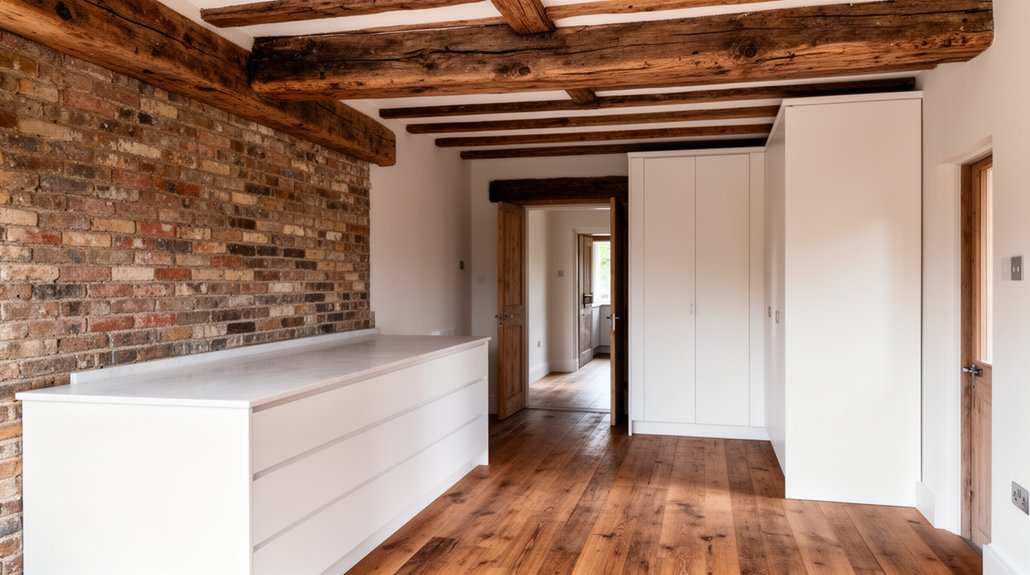
Combining reclaimed and new materials can create a balanced design while meeting modern performance needs. Pair salvaged timber beams with engineered joists, or use reclaimed brick as an accent beside new, code-compliant masonry. This approach preserves Vintage aesthetics without asking older materials to carry loads or meet requirements they weren’t designed for.
Before installation, check reclaimed pieces for moisture, pests, cracks, and chemical residues. Confirm dimensions and strength, then ask your contractor to verify compatibility with current fasteners, membranes, and finishes.
New materials can provide consistent performance where precision matters, while reclaimed elements add texture and history.
Plan progressions carefully: align floor heights, match mortar profiles, and test finish samples together. Thoughtful Modern integration lets you highlight distinctive pieces while keeping the assembly durable, safe, and easier to maintain.
Conclusion
Reclaimed materials can give your project a story as well as a distinctive finish—but only when they’re chosen and installed with care. Inspect each piece, check for hazards, and match its condition to the job. Clean it gently, preserve useful patina, and pair it with new materials where strength or code compliance matters. Sometimes the brick you salvage turns out to match your home’s original masonry. With reputable sourcing and thoughtful preparation, you can keep that character—and build lasting confidence into every detail.