
 MartinShields
When you train operators to use controls correctly, choose suitable routes, and respect equipment limits, you reduce avoidable wear on tires, brakes, and driveline components. Daily checks and prompt issue reports can also prevent small problems from becoming costly breakdowns. The savings extend beyond repairs to fuel, downtime, and tire replacement. But which everyday operating habits make the biggest difference to your maintenance bill?
Key Takeaways
- Smooth acceleration, gradual braking, and steady speeds reduce tire, brake, and driveline wear.
- Training teaches operators to avoid overloading, misuse attachments, and drive safely on slopes.
- Daily inspections help operators catch leaks, damage, and warning signs before they become costly breakdowns.
- Efficient routes, reduced idling, and proper equipment use lower fuel consumption and unnecessary wear.
- Tracking repairs, fuel, downtime, and accidents shows whether training reduces costs enough to outweigh its expense.
How Poor Operation Raises Fleet Repair Costs
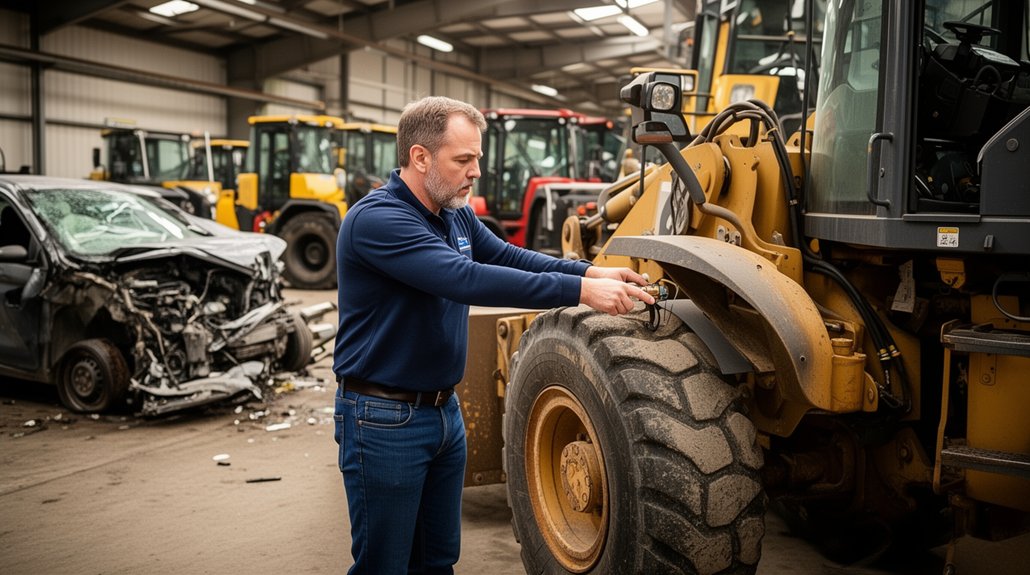
Poor operating habits can turn routine vehicle use into expensive repairs. When you accelerate hard, brake late, or take corners too fast, you increase wear on tires, brakes, and driveline components. Repeated overloading strains suspension parts and shortens engine life. Ignoring warning lights or unusual sounds can turn a small fault into a costly breakdown.
Your fleet also pays when operators idle unnecessarily, misuse controls, or skip basic checks. These habits waste fuel, accelerate wear, and create avoidable downtime. Operator motivation matters: rushed schedules or unclear expectations can encourage shortcuts that raise repair bills.
Track damage patterns, fuel use, and service records to identify costly behaviors. Training certification alone won’t offset poor daily practices; you need clear operating standards and accountability. Address problems promptly to limit repeat damage and protect your maintenance budget.
How Operator Training Prevents Equipment Damage
Clear operating standards help, but hands-on training shows operators how to prevent damage in daily work. You learn how to use controls correctly, recognize equipment limits, and respond when a machine behaves unexpectedly.
Instructors can demonstrate how poor visibility, unstable loads, or incorrect attachments create risks, then let you practice safer responses in a controlled setting.
Strong operator engagement helps crews ask questions, report concerns, and retain critical instructions. Training also clarifies safety protocols, inspection responsibilities, and when to stop work and request assistance.
That knowledge helps you avoid preventable impacts, overloads, and misuse that can damage costly components.
When you understand the equipment and your responsibilities, you’re better prepared to protect both the machine and nearby workers. Consistent instruction gives your team a reliable foundation for safe, careful operation across changing jobsite conditions.
Which Operating Habits Reduce Wear and Repairs?
Consistent operating habits reduce strain on components and help prevent costly repairs. Accelerate smoothly, maintain steady speeds, and avoid sudden braking to limit stress on engines, transmissions, tires, and brakes. Choose routes that minimize rough surfaces, sharp turns, and unnecessary stops.
When you operate on slopes, use the correct gear and controlled speed rather than riding the brakes. Don’t overload equipment; excess weight increases wear and raises repair costs.
Use ergonomic techniques to adjust your seat, controls, and mirrors before work. A comfortable position helps you stay alert and make precise movements throughout your shift.
Practice fuel efficiency by reducing idling, planning efficient travel, and matching engine speed to the task. Follow recommended operating limits, and use attachments correctly.
These habits protect equipment, reduce fuel use, and help your fleet stay productive longer.
How Daily Checks Catch Costly Problems
Good operating habits reduce wear, while daily checks help you catch developing problems before they lead to breakdowns. Before each shift, inspect tires for damage and low pressure, check fluid levels, and look for leaks beneath the vehicle. Test lights, brakes, mirrors, and safety equipment so you can address defects before they put people at risk or interrupt a job.
Pay attention to warning lights and unusual sounds; report them promptly rather than assuming they’ll disappear. Clean air filters and properly inflated tires can support fuel efficiency, while documented inspections help you meet safety compliance requirements.
Follow your fleet’s checklist, record what you find, and tell your supervisor about anything that needs repair. These simple steps help maintenance teams act early, limit damage, and keep equipment ready for its next assignment.
How Can You Measure Training Savings?
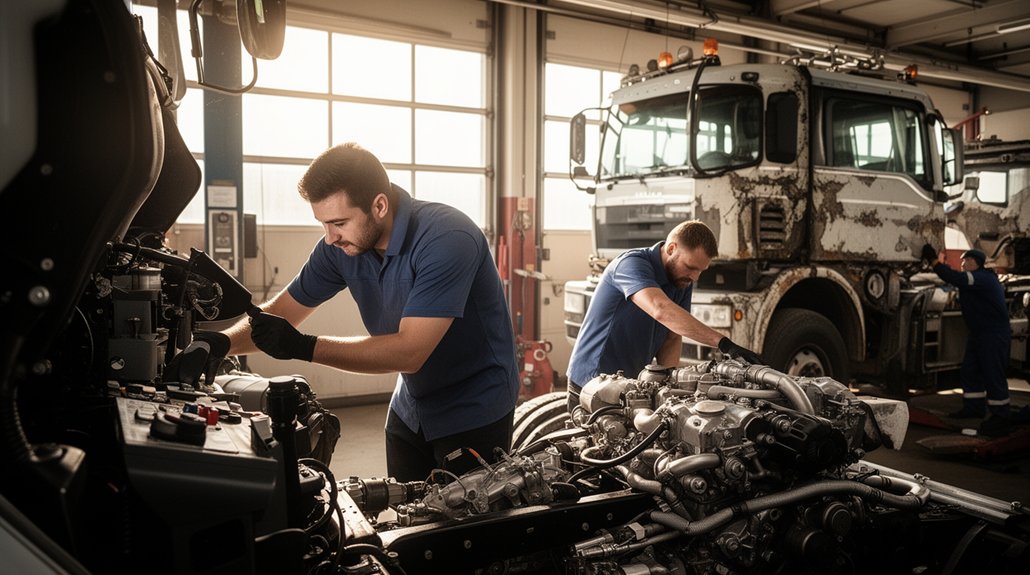
To measure training savings, compare fleet costs before and after operators complete the program. Track the same metrics over equal periods, adjusting for fleet size, mileage, workload, and seasonal changes. Include repair costs, tire replacement, fuel use, downtime, and accident-related expenses. This gives you a fair baseline and shows where spending changes.
Use a Skill assessment to record operators’ abilities before and after instruction. Pair those results with maintenance records to see whether safer operation reduces preventable damage. Training certification can confirm who completed the program and help you compare trained and untrained groups.
Calculate savings by subtracting post-training costs from baseline costs, then compare that figure with training expenses. Review the results regularly and report cost per vehicle or mile. Clear records help you identify the program’s financial impact and justify its value.
How Ongoing Training Keeps Fleets in Shape?
Ongoing training helps you build preventive care habits, from daily inspections to proper equipment handling.
It also teaches you to spot early signs of trouble before they lead to costly breakdowns.
With these skills, you can keep your fleet reliable and reduce avoidable repairs.
Preventive Care Habits
When operators receive regular training, they’re more likely to spot wear early, follow inspection schedules, and report small problems before they become costly repairs. Training also builds consistent preventive care habits that protect your fleet through daily use.
You can teach operators to clean equipment after each shift, check fluid levels, keep cabs orderly, and follow manufacturer guidelines for warm-up and shutdown. These simple routines reduce avoidable strain and help preserve components between scheduled services.
Operator mindfulness matters: when drivers use controls smoothly and avoid harsh starts, stops, and turns, they put less stress on vehicles. Equipment ergonomics supports that care, too. Adjusting seats, mirrors, and controls helps operators work comfortably and maintain steady control.
Reinforce these practices with brief refreshers and clear checklists, so your team follows the same standards across every shift and vehicle.
Early Issue Detection
Preventive care works best when operators can recognize trouble before it disrupts a shift. Ongoing training sharpens your ability to spot changes in sound, vibration, temperature, or handling. You’ll know what’s normal for each machine and when a small variation signals a developing fault.
A strong operator mindset means you don’t dismiss warning lights, leaks, unusual odors, or sluggish response. Follow safety protocols: park safely, secure the equipment, and report concerns promptly. Don’t keep working to meet a schedule when a machine may be unsafe.
Clear, timely reports help maintenance teams diagnose problems before damage spreads. Training also teaches you which details to record, such as operating conditions and when symptoms began. That information speeds repairs, limits downtime, and helps your fleet avoid costly component failures.
Early detection protects both equipment and your budget.
Conclusion
Train your operators, and you’ll give every truck a better chance to finish the route without costly surprises. Smooth driving, smart idling, respect for equipment limits, and consistent daily checks protect tires, brakes, and driveline components. Track repairs, fuel use, downtime, and inspection reports to see the savings take shape. Keep coaching as routes and equipment change. Like a stitch in time, sound training prevents small mistakes from becoming major bills—and keeps your fleet moving reliably.