 MartinShields
A compact excavator can reach areas a full-size machine can’t, which matters when you’re renovating a tight urban site or working indoors. JCB’s latest mini diggers promise easy maneuvering, useful attachment options, and controls that won’t slow you down. But the right model depends on more than its size or headline specs. Before you commit, it’s worth seeing how these machines perform on real jobs—and what ownership actually costs.
Key Takeaways
- JCB’s X Series includes the 25Z-1, 26C-1, 35Z-1, and 36C-1, designed for compact jobs such as landscaping and indoor demolition.
- Zero-tail-swing 25Z-1 and 35Z-1 suit close-wall work; reduced-tail 26C-1 and 36C-1 offer more cab space.
- Digging depth, reach, breakout force, operating weight, and hydraulic flow should match the job and attachment requirements.
- These machines handle trenching and soil shifting in confined spaces, but safe operation depends on access, ground conditions, training, and daily checks.
- Buying can suit frequent use, while hiring may cost less for occasional projects; compare transport, servicing, attachments, and resale value.
Which JCB Mini Digger Models Are New?
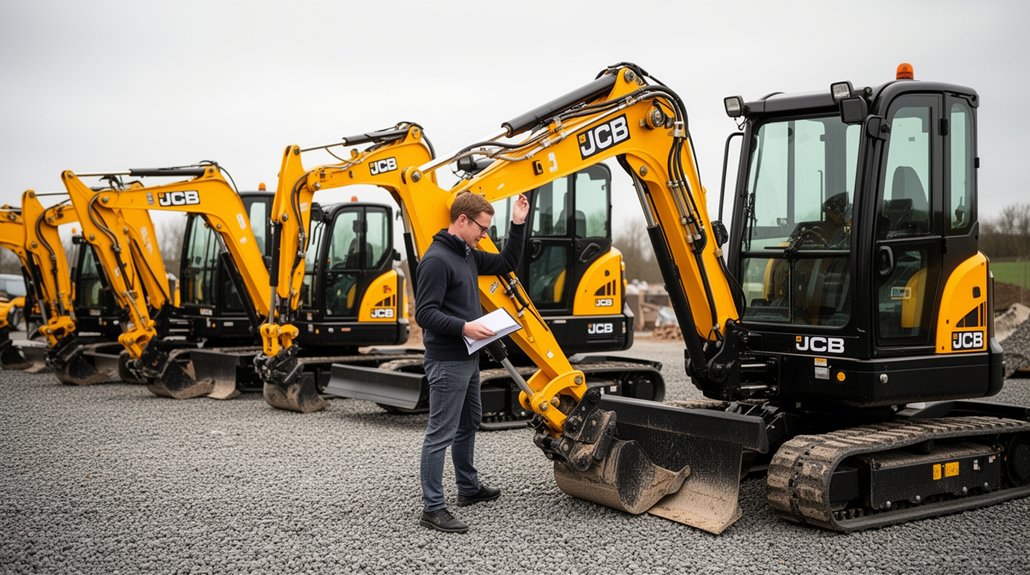
JCB’s newest mini diggers include the 25Z-1, 26C-1, 35Z-1 and 36C-1, all part of its compact X Series. For renovation work, these models give you options for tight access, indoor demolition and landscaping around existing structures.
The 25Z-1 and 35Z-1 use zero-tail-swing designs, helping you work close to walls without the rear counterweight swinging beyond the tracks. The 26C-1 and 36C-1 use reduced tails, balancing compact access with added cab space.
Choose the layout that suits your site, doorway widths and spoil-removal route. Before hiring or buying, check attachment compatibility and arrange a practical handover.
Review the safety features, including visibility and access controls, and follow the operator guidance. Good Maintenance tips—daily checks, clean cooling areas and prompt servicing—help keep your digger ready for the next renovation task.
How Do the Models Compare on Specs?
Compare operating weight first, since it affects ground pressure, transport, and access around your renovation site.
Then check digging performance, size, and reach against your trenching and excavation needs.
Choose a model that fits the work area and can handle the required depth without unnecessary bulk.
Operating Weight
Operating weight affects how easily you can transport a mini digger and how much stability it offers on site. JCB’s compact models suit renovation work where access is tight, while heavier machines may need a suitable trailer and towing vehicle. Check each model’s operating weight against your transport limits, ground conditions, and the space available for unloading before you book delivery.
A lighter digger can simplify moves between properties and reduce pressure on paved driveways, but it may feel less planted on uneven ground.
A heavier machine can offer greater stability, though you’ll need to plan access and surface protection carefully.
Compare weights with attachments fitted, since buckets and other equipment change the load you’ll move.
Don’t assume design upgrades guarantee lower fuel efficiency or easier transport; confirm the published figures for your chosen configuration and site needs.
Digging Performance
When you compare JCB mini diggers, look beyond engine power to digging depth, reach and bucket breakout force, since these specs determine what you can tackle on a renovation site. Check each model’s figures against your tasks: trenching for drainage, preparing footings or removing compacted soil.
Greater breakout force helps you work through stubborn ground, while suitable digging depth lets you meet plans without repeated repositioning.
Compare hydraulic flow, too, if you’ll use attachments such as breakers or augers; the right output can improve productivity.
Don’t assume the largest machine is best: match performance to access limits and the workload you actually face.
Brand reputation can support confidence in parts and service, but verify local support and maintenance costs.
Color options won’t affect digging, so prioritize specifications and reliable operation when choosing.
Size and Reach
After checking digging performance, compare each JCB mini digger’s width, height, transport weight and working reach against your renovation site.
A compact model may pass through a narrow side gate, while a wider machine can offer a steadier stance for heavier work. Check the folded height too, especially if you’ll move the digger beneath a carport or through a low garage opening.
Transport weight affects trailer choice, towing limits and delivery access, so confirm the combined load before booking transport.
For garden landscaping, a short tail swing and useful reach help you work beside fences, patios and planted beds without unnecessary repositioning.
On urban construction jobs, measure access routes and overhead clearance before choosing.
Compare digging depth and reach at ground level, not just headline figures; your trench layout and spoil placement determine which specs matter most.
How Do JCB Mini Diggers Handle Real Jobs?
JCB mini diggers handle real renovation work well when their size matches the task: they can trench for drainage, remove footings, and shift soil in tight spaces where larger machines can’t reach. On a house project, you can use one to expose buried services, shape a garden, or clear spoil without disrupting the whole site.
Smooth controls help you work steadily near walls and existing utilities, but you’ll still need a spotter and careful planning around hazards. Check Safety features such as rollover protection, visibility, and emergency stops before starting.
Daily inspections matter too: Maintenance requirements include checking fluid levels, tracks, hoses, and attachments, then cleaning the machine after dusty or muddy work. Keep loads within rated limits, secure the work area, and avoid digging blindly near marked services. These habits protect your project and keep work moving safely.
Which JCB Mini Digger Fits Your Work?
Choosing the right JCB mini digger starts with matching its size and reach to your renovation site. For narrow side access, a compact model can pass through tight openings and work near walls.
If you’re reshaping a garden, trenching for drainage, or breaking up a patio, check digging depth, bucket options, and lifting capacity against the job. Larger machines suit deeper excavations and heavier materials, but they need more room to manoeuvre and transport.
Assess ground conditions, overhead obstructions, and nearby utilities before choosing. Construction safety depends on selecting stable equipment with enough reach, not pushing a small digger beyond its limits.
Consider Environmental impact, too: a smaller machine may disturb less ground and use less fuel. Match the machine to your biggest planned task, while ensuring it fits your site and access route.
How Easy Are JCB Mini Diggers to Operate?
With the right setup, you can learn to operate a JCB mini digger quickly, but safe control takes practice. Before starting renovation work, read the manual, inspect the site, and check that underground services are marked.
Adjust the seat and controls to suit your reach; good operator comfort helps you stay focused during long trenching or landscaping jobs.
Use smooth joystick movements and keep the bucket low when travelling. On confined sites, turn slowly and watch the tracks, boom, and nearby walls.
Practise digging, grading, and repositioning in a clear area before working beside foundations or utilities. Follow the machine’s guidance for slopes and lifting, and never carry people in the bucket.
Daily checks support maintenance ease and help you spot leaks, loose fittings, or damage before they disrupt your project.
What Do JCB Mini Diggers Cost to Own?
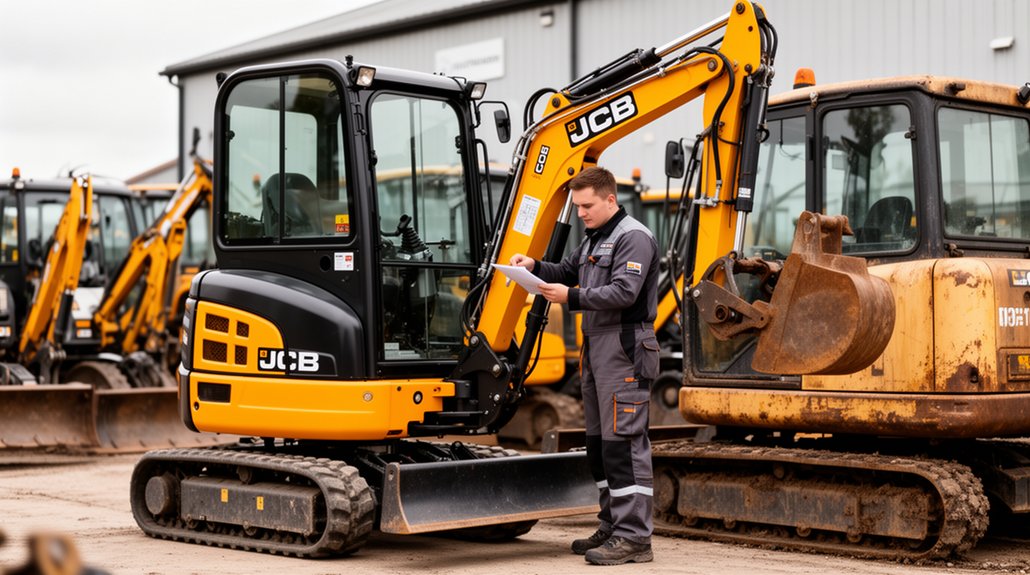
Owning a JCB mini digger costs more than the purchase price: budget for fuel, servicing, insurance, transport, and wear parts such as tracks and bucket teeth.
For renovation work, estimate how many days you’ll use it and compare ownership costs with hiring, including delivery and collection fees.
Maintenance costs depend on machine age, hours, and workload. Follow the service schedule, check fluids and filters, and inspect hoses, pins, and undercarriage components before each job.
Prompt repairs can prevent a small fault from delaying groundwork or drainage.
Also account for secure storage and any finance charges. Keep service records and protect the machine from avoidable damage; these steps help preserve resale value when your project ends.
Get written quotes for insurance, servicing, and transport before setting your budget, then track actual fuel and repair spending.
Are the Latest JCB Mini Diggers Worth Buying?
When you’re renovating, the latest JCB mini diggers can handle tight access, varied groundworks, and precise excavation.
To judge whether one suits your project, compare its performance and versatility with the work you need done.
Then weigh purchase and running costs against the time and labor you could save.
Performance And Versatility
The latest JCB mini diggers pair responsive controls with useful digging force, making them capable machines for renovation work in tight spaces. You can trench beside foundations, remove paving, or shape drainage runs without bringing in a larger excavator.
Their compact footprint helps you pass through narrow access points, while a range of attachments lets you switch between digging, breaking, and material handling. Match the machine’s reach and bucket capacity to your site; a small model may struggle with deep excavations or dense ground.
Smooth controls make precise work easier, but you’ll still need room to position and stabilize the digger. Check visibility, guarding, and other safety features before operating near walls or services.
Follow maintenance tips in the manual to keep performance consistent through demanding renovation tasks.
Ownership Costs And Value
A JCB mini digger’s value depends on more than its purchase price: compare financing or hire costs, fuel, servicing, insurance, transport, and attachment expenses against the renovation work it can handle.
If you’re tackling several projects, ownership may pay off through reliable access and less hire scheduling. For a single garden overhaul or drainage job, renting can keep costs lower and avoid storage, maintenance, and resale risks.
Match the machine’s size and reach to your site; an oversized model can add transport costs and limit access, while an undersized one may slow excavation.
Check warranty terms, service availability, and parts pricing before committing. JCB’s brand reputation may support resale, but market demand varies by model, age, and condition.
Buy when projected use and resale value justify the total cost; otherwise, hire.
Conclusion
If you’re choosing a mini digger for renovation work, match the machine to your tightest access point, typical digging depth and attachments—not just its headline specs. A useful benchmark: a 1.5-tonne digger can weigh roughly 1,500 kg, so transport capacity and ground pressure matter as much as digging power. Compare purchase price with servicing, fuel and downtime, then test the controls on a real task. The right JCB should save labor without adding cost or complexity.