
 MartinShields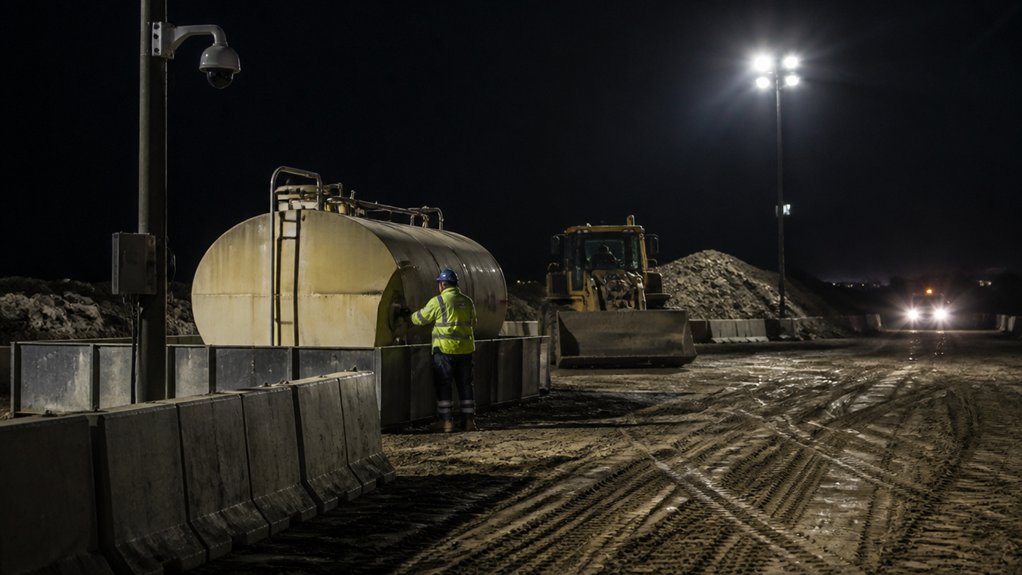
If you leave fuel tanks exposed overnight on a remote renovation site, you’re inviting costly delays and avoidable losses. Secure tanks inside locked enclosures, restrict access with individual credentials, and use lighting that covers changing work areas without leaving blind spots. Then compare delivery records with fuel use across your equipment. These steps help you spot gaps early—but keeping them effective takes more than a one-time setup.
Key Takeaways
- Store fuel tanks in locked, anchored enclosures; secure pumps, hoses, and keys separately.
- Control site access with locked gates, individual credentials, and arrival and departure records.
- Illuminate tanks and access routes overnight; test coverage and use backup lighting at critical points.
- Log every delivery, withdrawal, tank reading, and equipment refueling to track fuel accurately.
- Compare usage against expected consumption weekly and investigate discrepancies, leaks, or unauthorized access promptly.
Secure Fuel Tanks and Limit Site Access
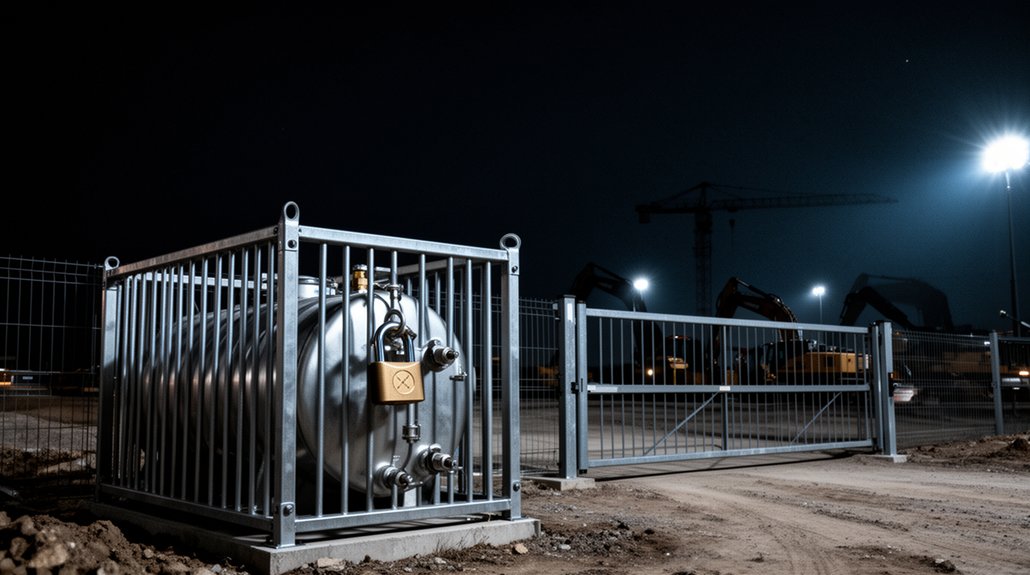
Because fuel tanks are easy targets when crews leave, secure them before the site closes for the night. Place tanks inside a locked, anchored enclosure, and use hardened hasps, tamper-resistant bolts, and a quality padlock. Keep fuel hoses and transfer pumps locked away; don’t leave keys in equipment or vehicles.
During renovation, position the enclosure where authorized workers can reach it without crossing active work zones, and preserve clear access for emergency response.
Limit entry with perimeter fencing, locked gates, and a single controlled access point. Assign individual credentials, record arrivals and departures, and revoke access promptly when workers leave the project.
Apply employee screening consistently to staff and subcontractors. Use inventory management to log deliveries, withdrawals, and remaining fuel each shift. Compare records with tank readings, investigate discrepancies, and document corrective actions before the next crew arrives.
Use Lighting to Deter Overnight Fuel Theft
After securing tanks and controlling site access, use lighting to expose activity around fuel storage overnight. Position security lighting to cover tanks, transfer points, and approach routes without leaving dark pockets beside temporary fencing or renovation work zones. Aim fixtures downward to limit glare, protect workers’ visibility, and reduce spill into neighboring properties.
Choose weather-resistant LED units with motion sensors where continuous lighting isn’t practical; test them after installation and adjust sensitivity to avoid triggers from routine site movement. Include backup power or battery fixtures at critical locations so outages don’t create cover for theft.
Your illumination strategies should account for changing layouts as crews move scaffolds, barriers, and equipment. Recheck coverage after each site change, and keep fixtures clear of stored materials that could block the beam.
Compare Fuel Deliveries With Equipment Use
To spot fuel losses early, compare each delivery with the fuel your equipment should use. Record the supplier’s ticket, tank gauge reading, and delivery time whenever fuel arrives. Then log each machine’s hours, refueling volume, and location during overnight renovation work.
This routine supports tracking delivery discrepancies and helps you catch unexplained losses before they disrupt the schedule.
Set expected consumption rates for generators, excavators, lifts, and other equipment based on manufacturer guidance and actual site conditions. Review those figures weekly, analyzing consumption patterns across shifts and tasks.
If a machine uses more than expected, check for leaks, idling, inaccurate logs, or unauthorized access. Assign one supervisor to reconcile records and investigate variances promptly.
Keep receipts and inspection notes together so you can verify totals, address supplier errors, and strengthen controls without delaying crews or material deliveries.
Conclusion
Protect fuel as carefully as you protect the work itself. Lock tanks inside secure enclosures, limit access with individual credentials, and adjust lighting whenever the site changes. Then compare delivery records with equipment use so you can spot losses before they grow. One contractor found a shortfall only after matching a fuel log to a machine’s hours—a small discrepancy that exposed a nightly leak. Treat your records like a site’s early-warning system, and you’ll keep theft from draining your renovation budget.